The spirit of contemporary art
Most of the sensible minds have understood, since now long, that there is no reason to produce significant artwork nor explore virgin territories. It is a fundamental fact: it has to « be like contemporary art »…as reminded us utterly relevantly the Pompidou’s curator. One never measures the reach of this consideration. Recognition is the basis for environment espousal; therefore it goes through the production of indications, minimum of the respect of implicit norm. No use, in this case, to be surprised by the rejection that does not increase amongst rational but amongst the necessity of protecting all or part of the rules that define the instituted frame in which art can move in peace. Then, one has to identify the bound properties of these contemporaneous external signs, these that immediately show to a critic, a curator or a collector they are in known ground, with just enough thrill to foresee a possible danger, maybe true, but that could not reach the body or mind of the one who feels it.
Between these legitimizing attributes, certain characteristics constitute permanent forms that lead them to lasting relevance.
Otherwise, the use of flavor in agribusiness that comfort the consumer, making him sure he is eating genuine strawberry freshly picked, tasting land, assuming the biological cultured tag, is also of this order.
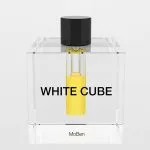
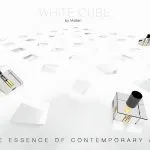
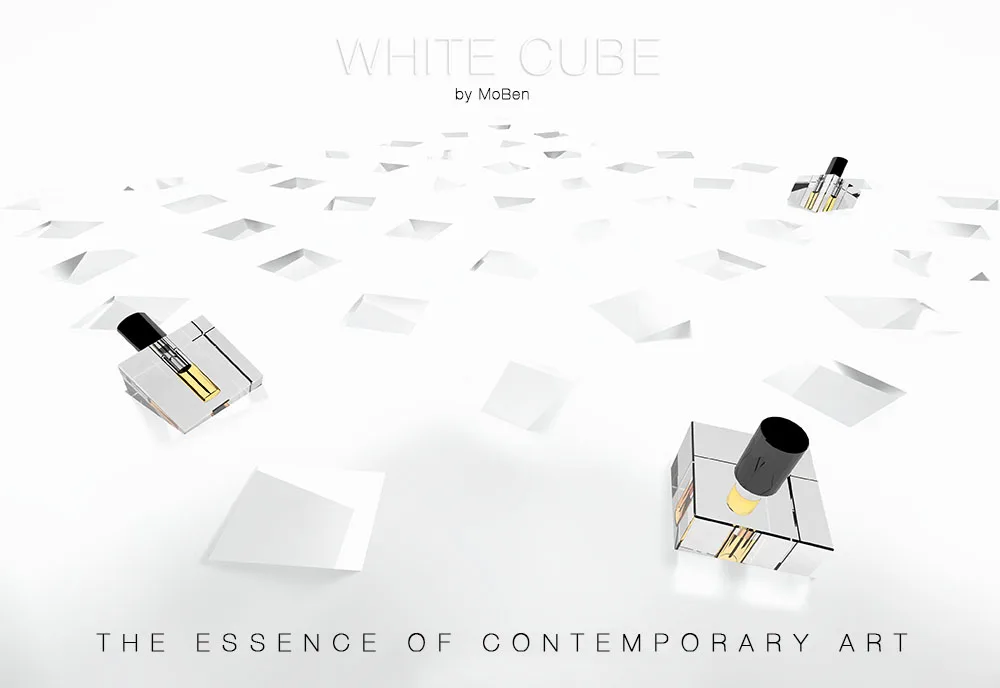
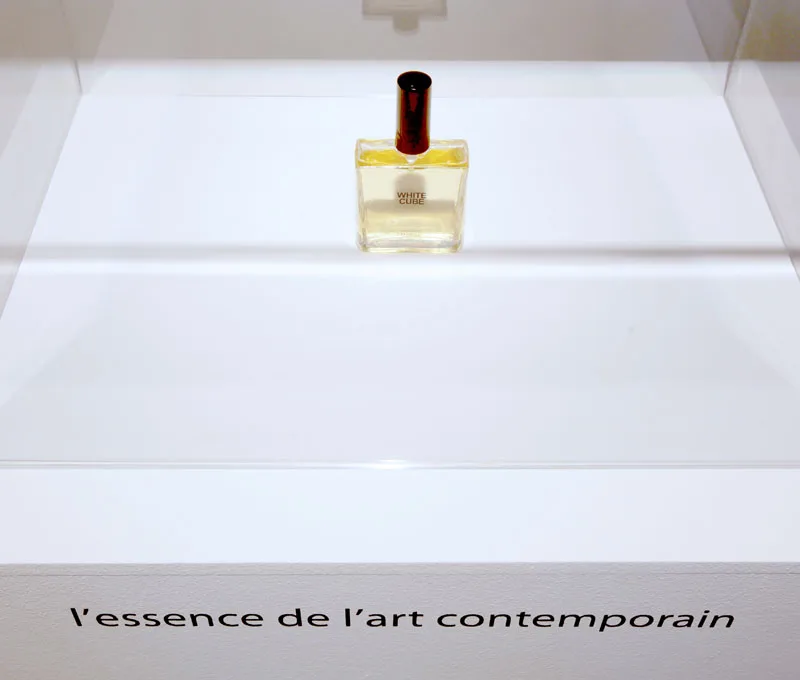
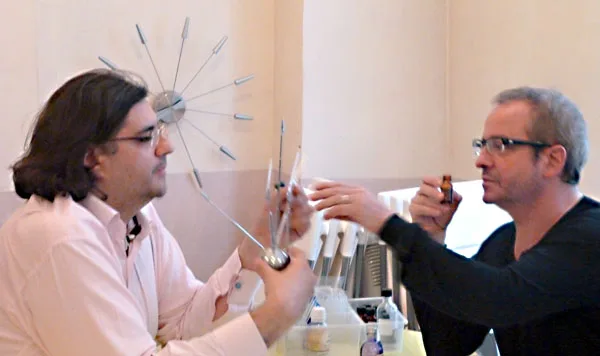
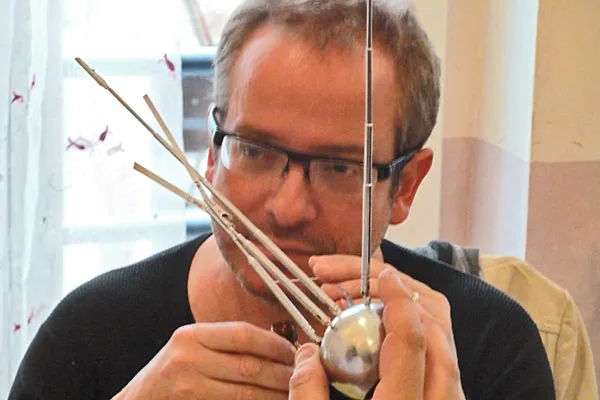
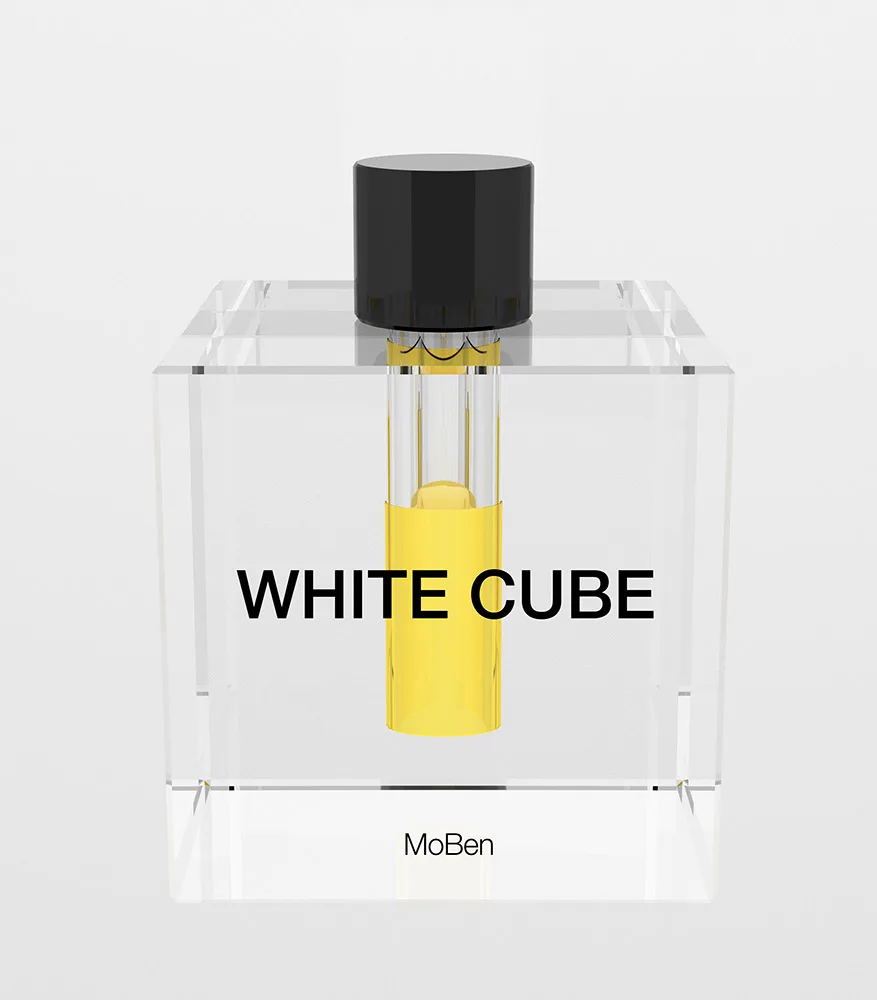
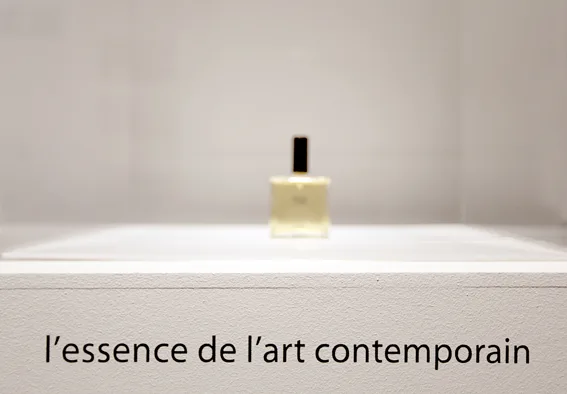
The project is to seek, for the equivalent artwork, to reach the essence of contemporary art. Amongst the essential oils of contemporary art, I immediately put away the linseed oil fragrance…the turpentine is way too much linked to the fifty’s exhibitions to give this contemporary scent that wants to affect all lasting tradition. The smell of vinyl paint that defines the freshly done up white box is discrete and undeniably present in all the well off private views.
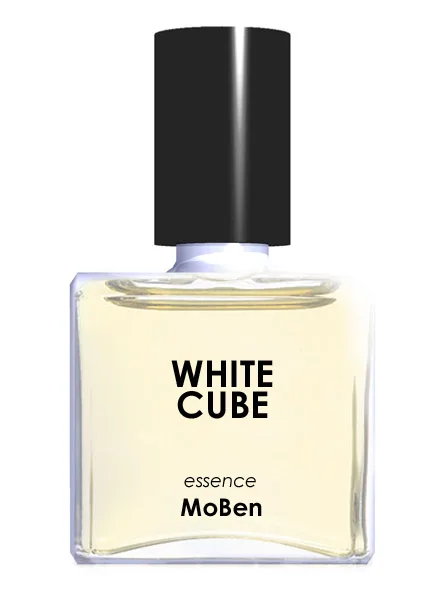
The Spirit of Contemporary Art will be distributed in small sized bottles, ascetic design, in museum shops…or better, in the artist’s furniture shop.
White Cube is the prototype of White Box project, in partnership with Philippe Dana from Le Studio des Parfums, Paris.

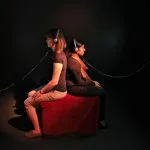
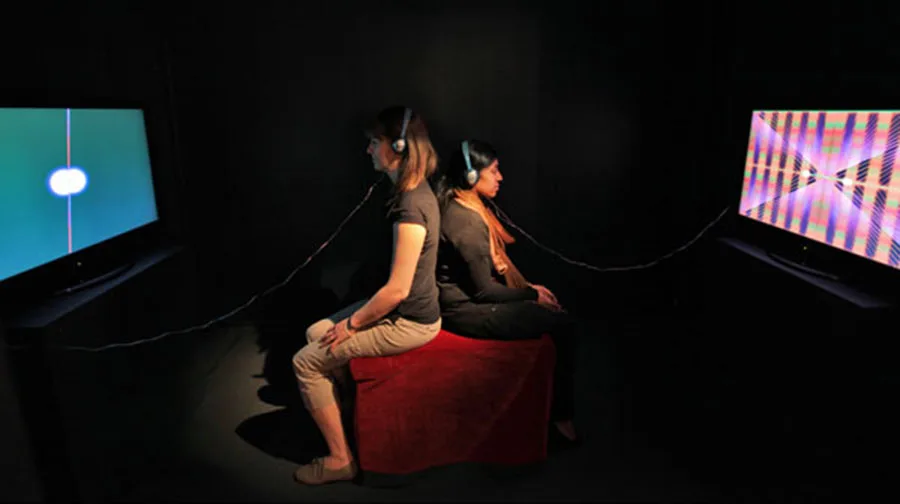
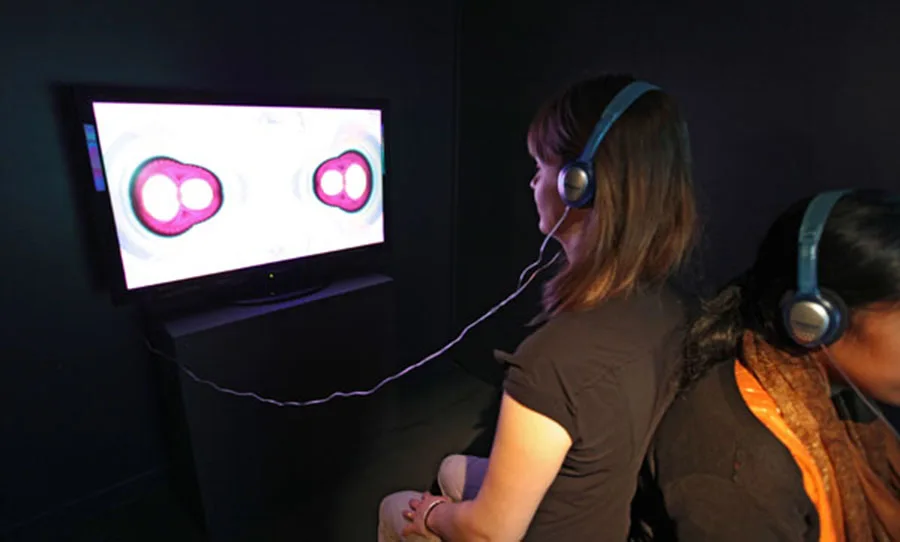
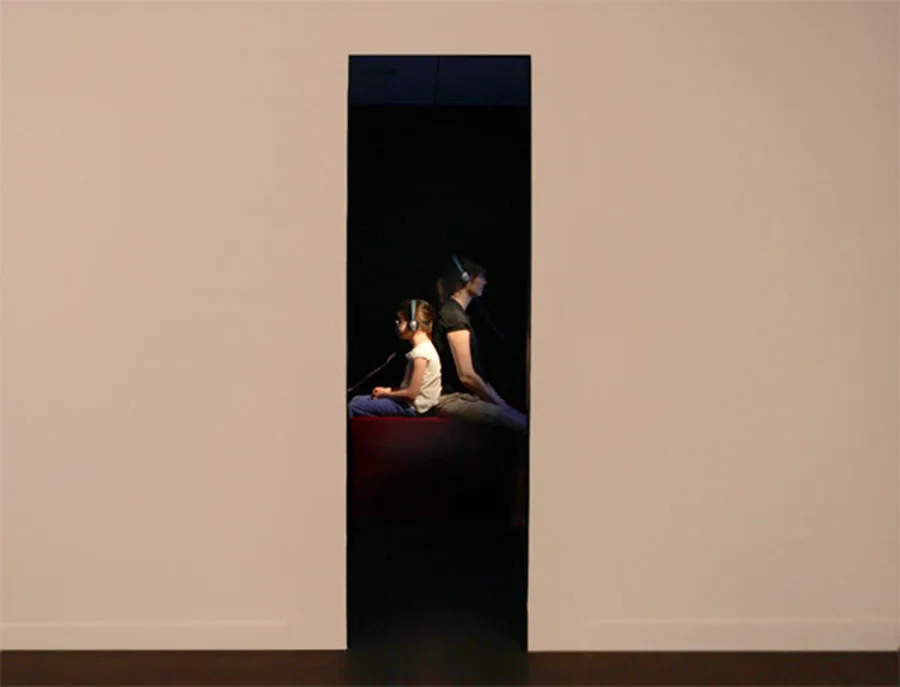
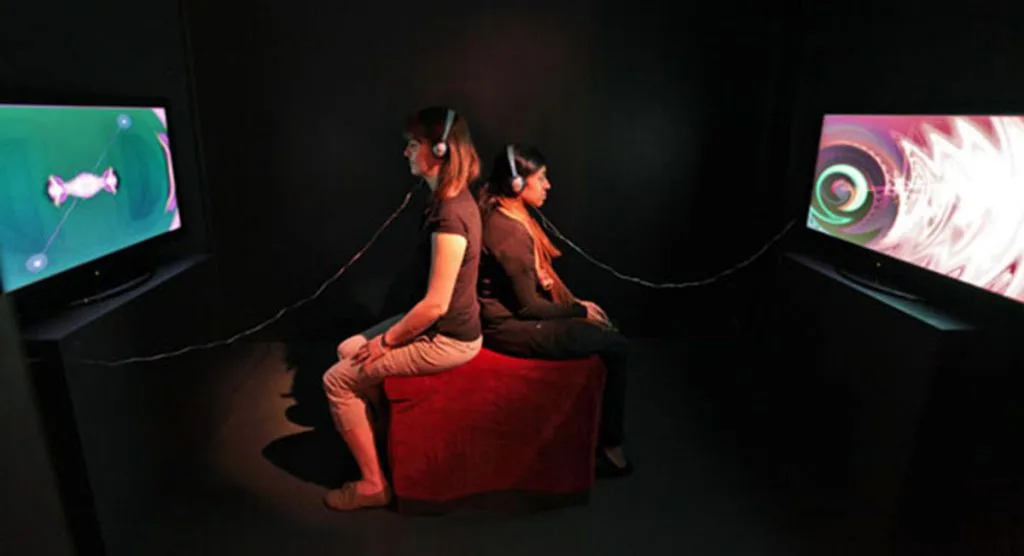
Two people, watching Blind Love Ready Made are sitting, earphones on, in front of their show, generated abstract shapes moving at the rythm of an invisible couple orgasmic vocalizations.
This solitary pleasure is only disturbed by the fact to naturally lay back to back with a stranger.
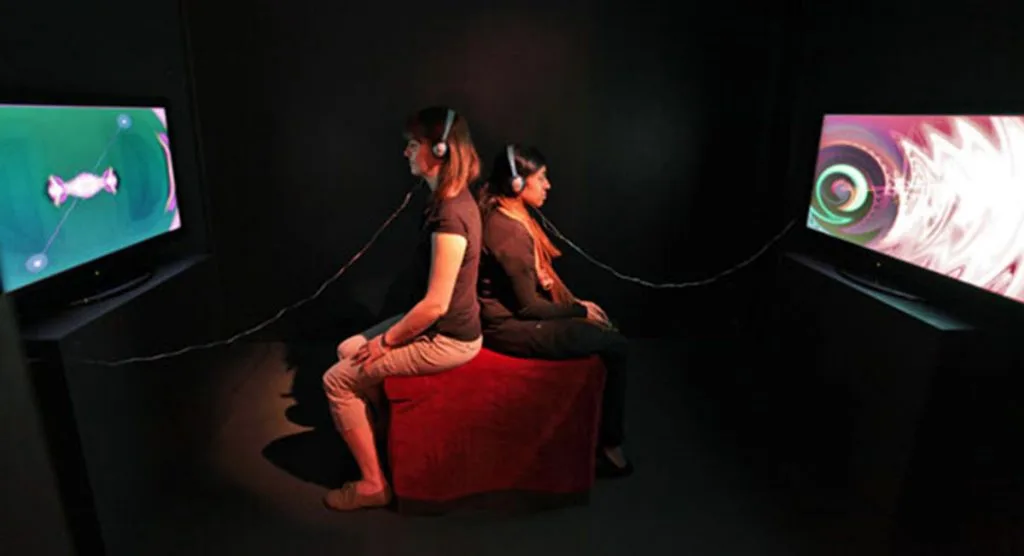
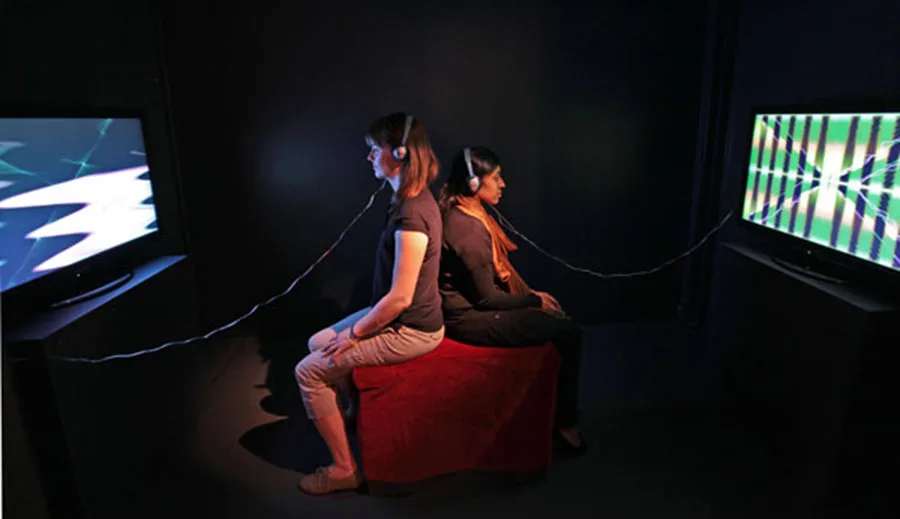
Back to Back
Installation video
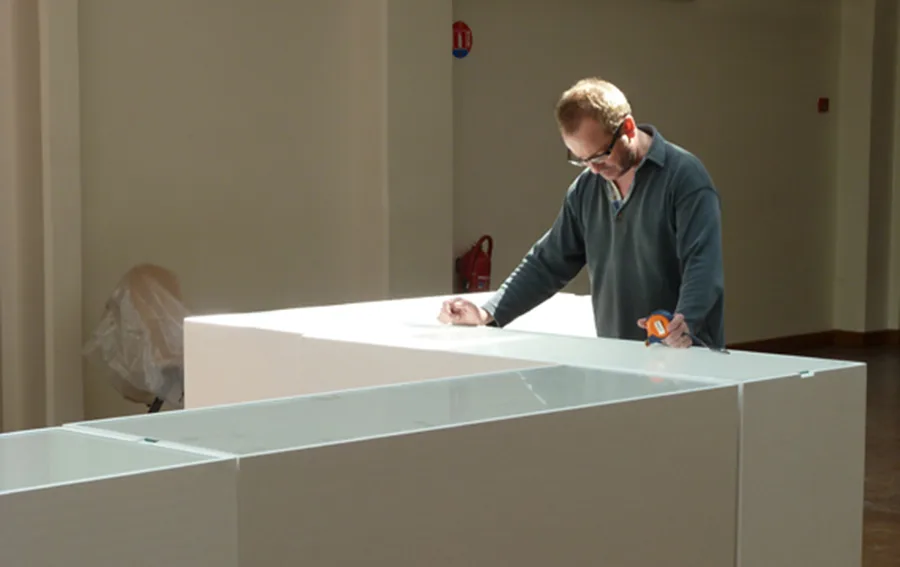
L’exposition à la médiathèque George Sand présente le travail vidéo de Maurice Benayoun – La série Quarxs réalisée entre 1990 et 1993 en collaboration avec le dessinateur de bandes dessinées François Schuiten et l’écrivain Benoît Peeters. une des toutes premières séries en images de synthèse 3D haute définition. Les dessins préparatoires de François Schuiten
– vidéos sur l’art avec Bertrand Lavier, Jean-Michel Alberola, Takis, Jean Le Gac, Jean-Luc Vilmouth, Bill Woodrow, – 935 m de bande sur Daniel Buren (1983) conçu pour être présenté ainsi mais jamais diffusé en triptyque Et encore: – Interactivity, a Dead End of our Artistic Era avec Steina et Woody Vasulka (2006) – Cosmogonie (1996)documentaire fiction sur la réalité virtuelle.
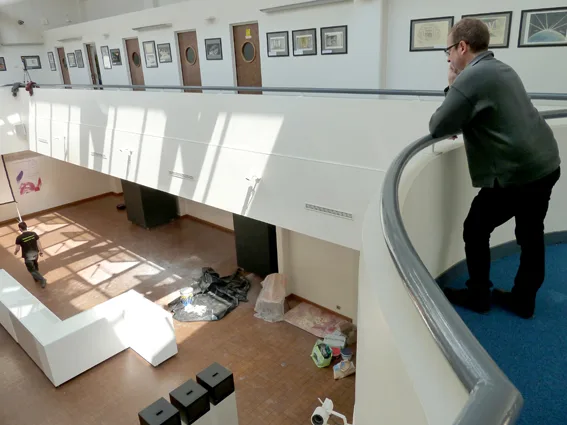
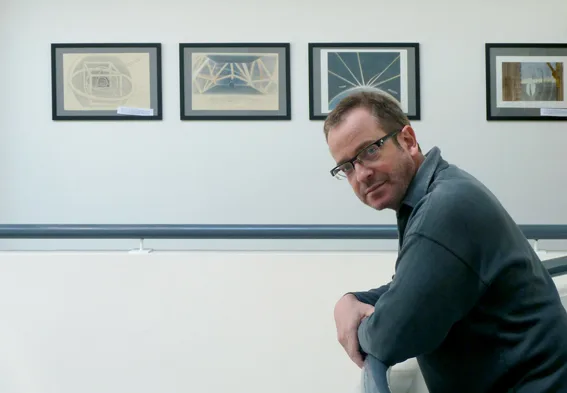
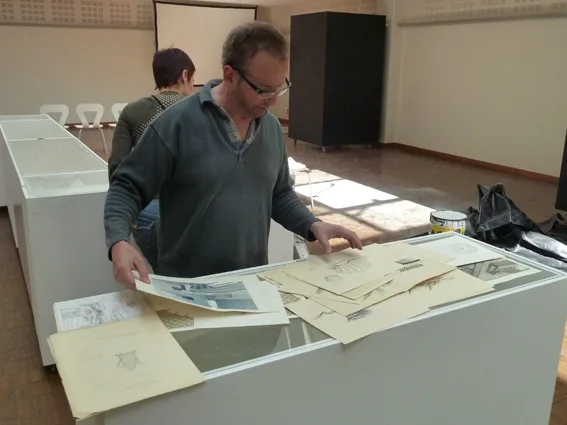
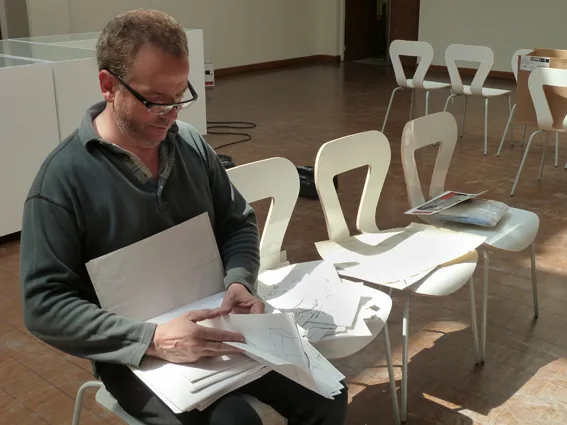
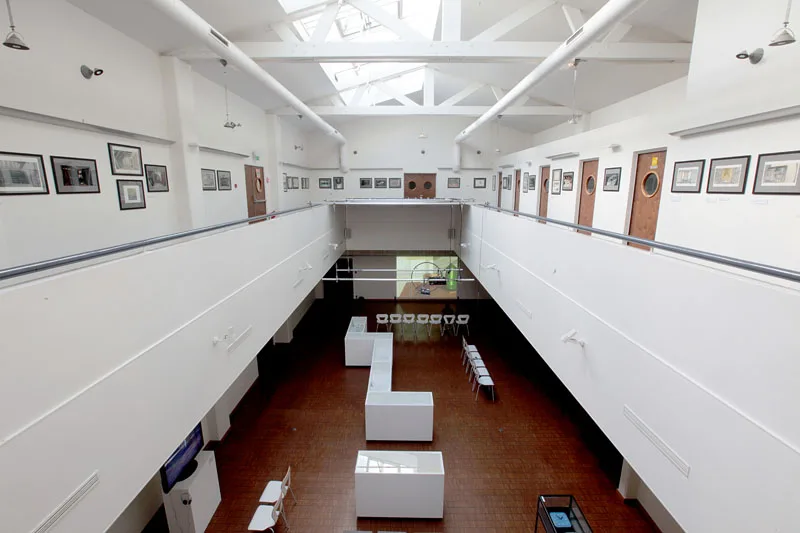
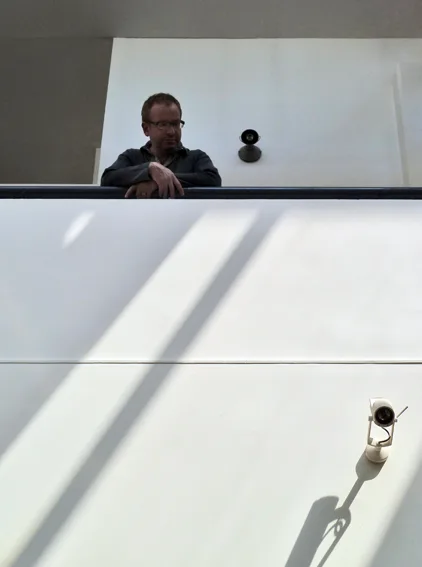
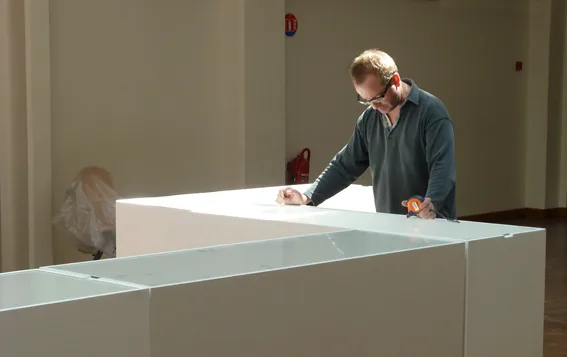
Quarxs, dessins et vidéos
Exposition Médiathèque Enghien les Bains
The full text has been published in bilingual (English-French) with an addition of juries’ reports at Fyp Editions, 2011 under the title: The Dump, 207 Hypotheses for Committing Art.
The original blog online
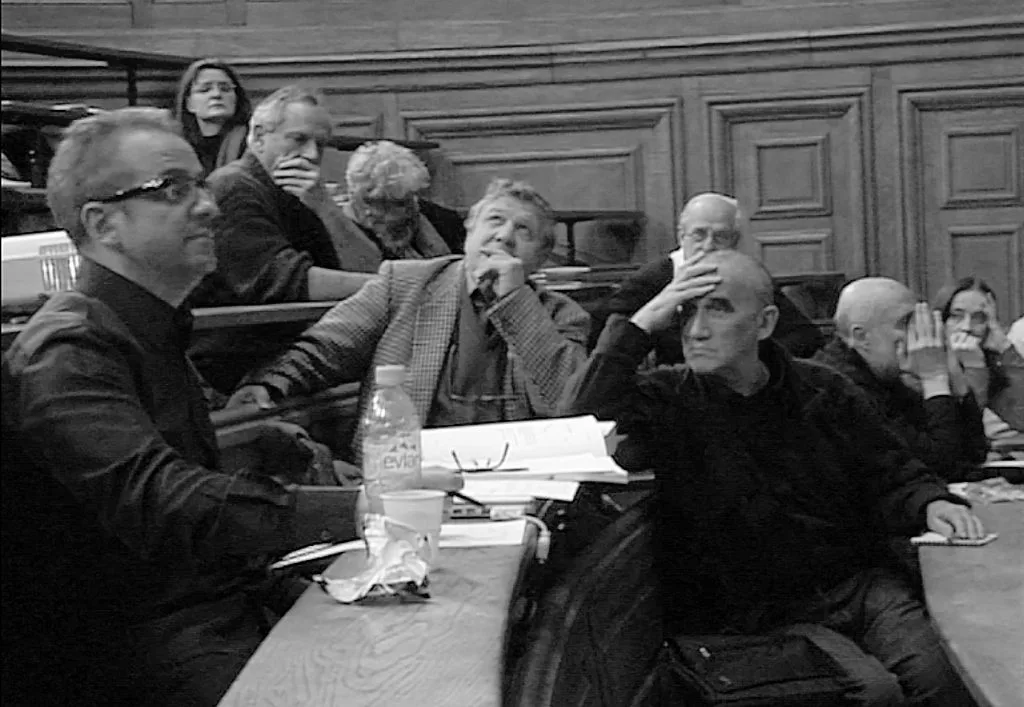
By its very nature, the creative process has a hidden face: i.e. everything which the artist discards in both choice and conception of the work to be undertaken. This project aims to in[com]plement the creative process involved in the working out and selecting process by displaying visually and legibly that which constitutes the cluster of motivations, determinations and hesitations contained in the act of artistic creation. The Dump is the experimental form of this applied research, a methodical expression of intention, caught on the fly, before the work of art takes place or so it can take place.
Supervisor: Prof. Anne-Marie Duguet, Université Paris 1
Jury:
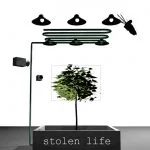
Stolen Life
Interactive installation, vidéo, light, installation, OUT OF THE DUMP
in the Dump: 30th Novembre 2006
Two concepts have marked 21st century creation, the metaphysical consequence of which is obvious to everyone, despite their apparent differences.
The first is the idea that it is the spectator who creates the picture and the second is that the life of a creation can be dependent on its owner (the Tamagochi).
The two demonstrate the idea that a creation can, through its nature or its construction, share with the world it mirrors a fundamental property that is the basis of an important metaphysical paradox : our total inability to change things permanently and the feeling of infinite responsibility that dwells within us. They two converge towards the idea that the world might exist for us and through us, as though to ward off the notion this is probably not the case.
I propose a structure that will enable us to act by default:
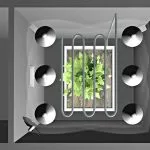
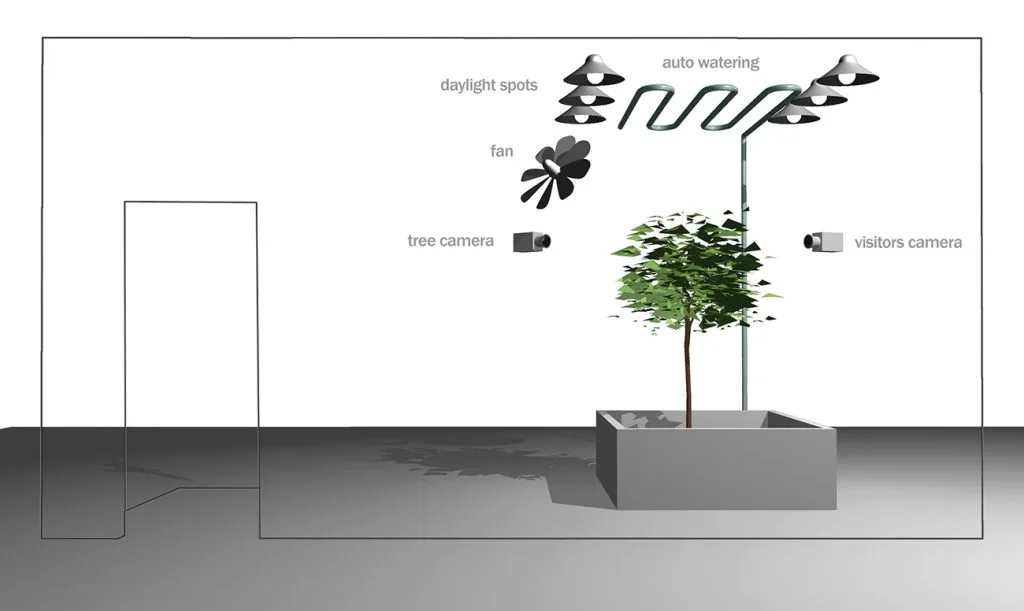
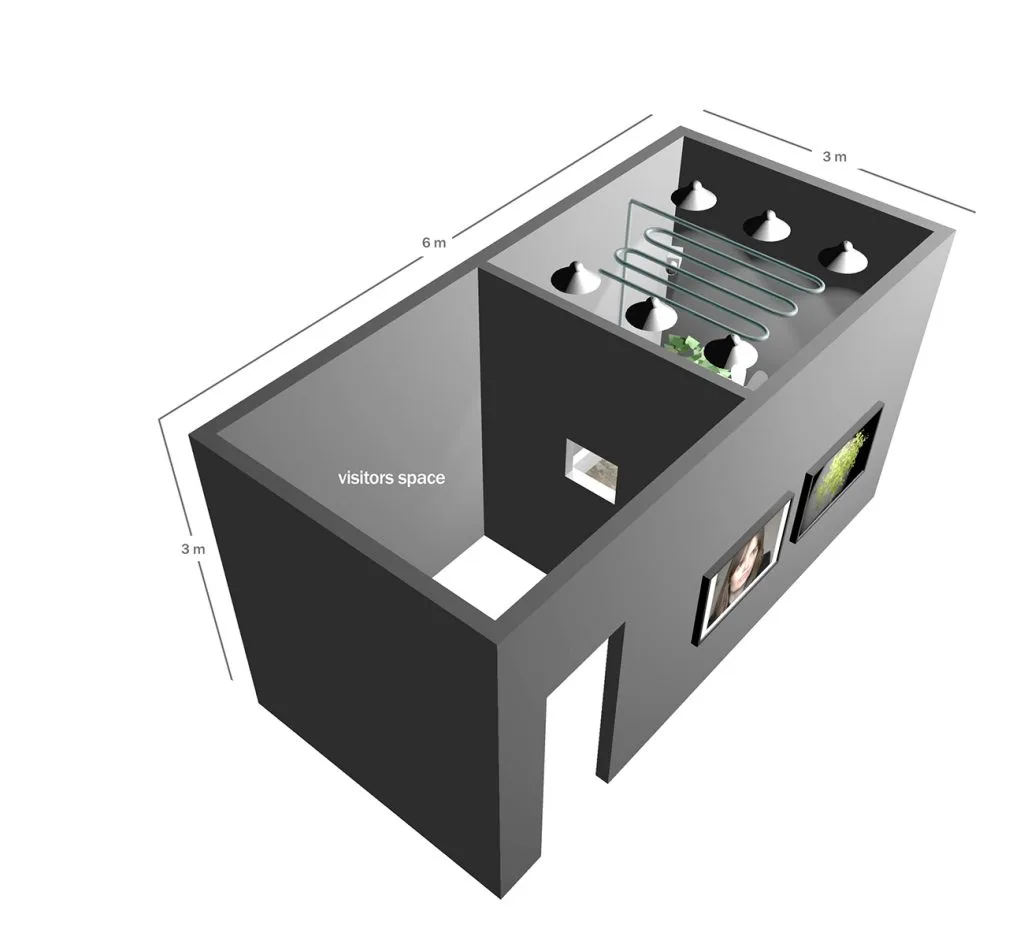
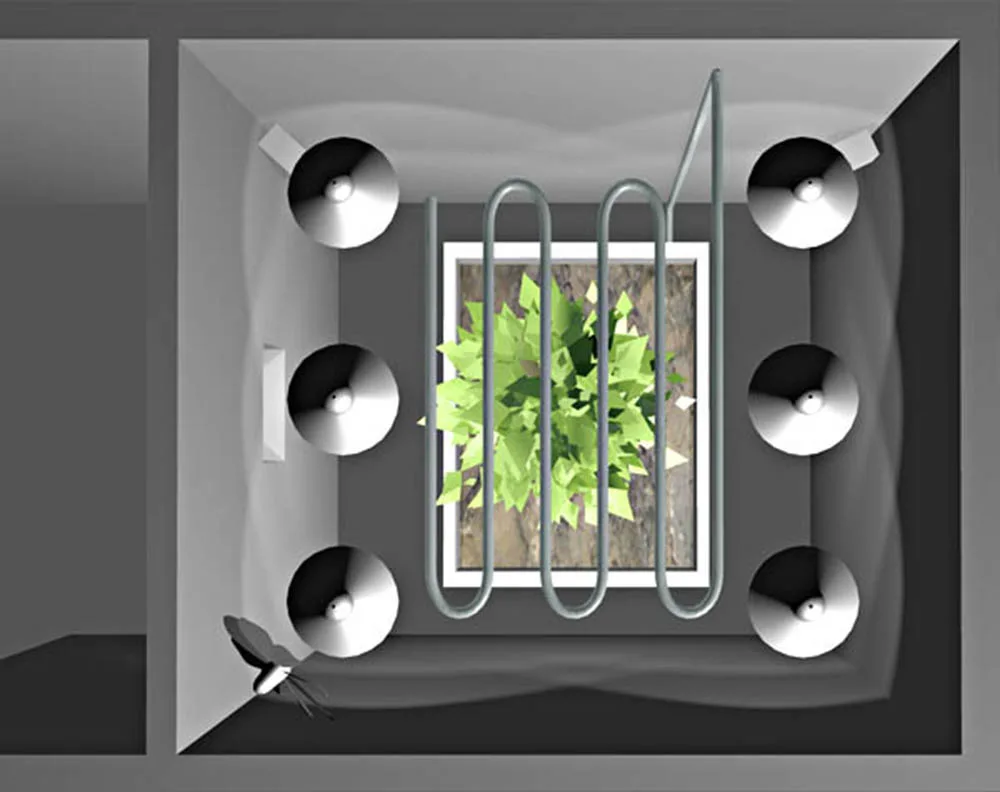
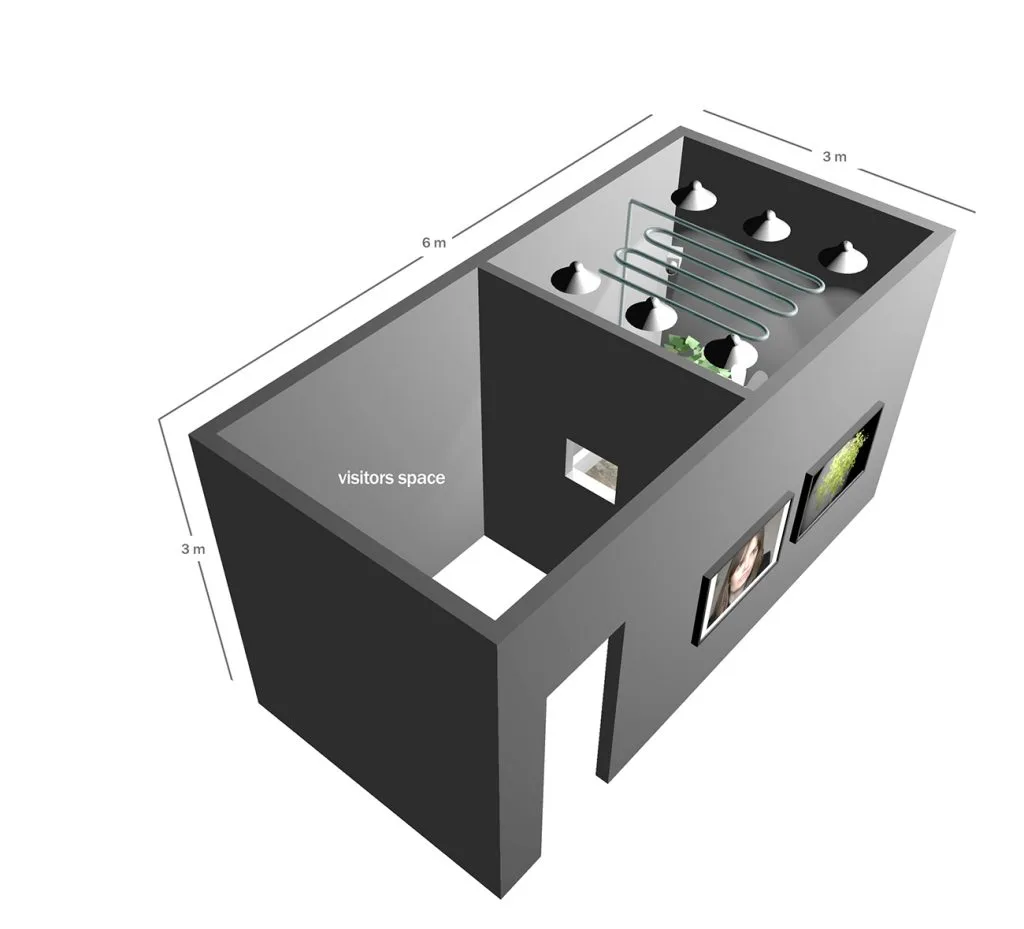
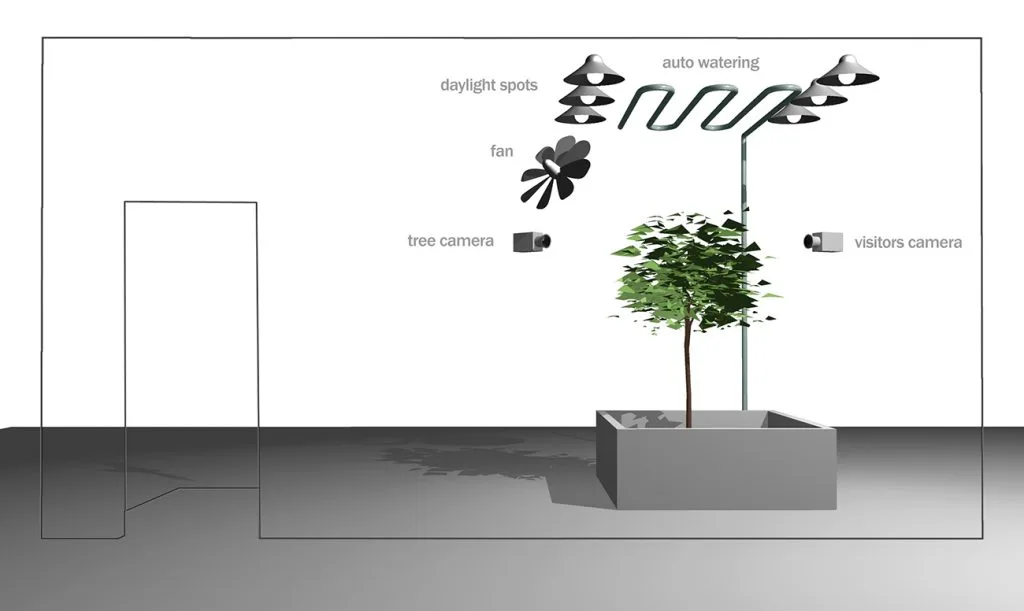
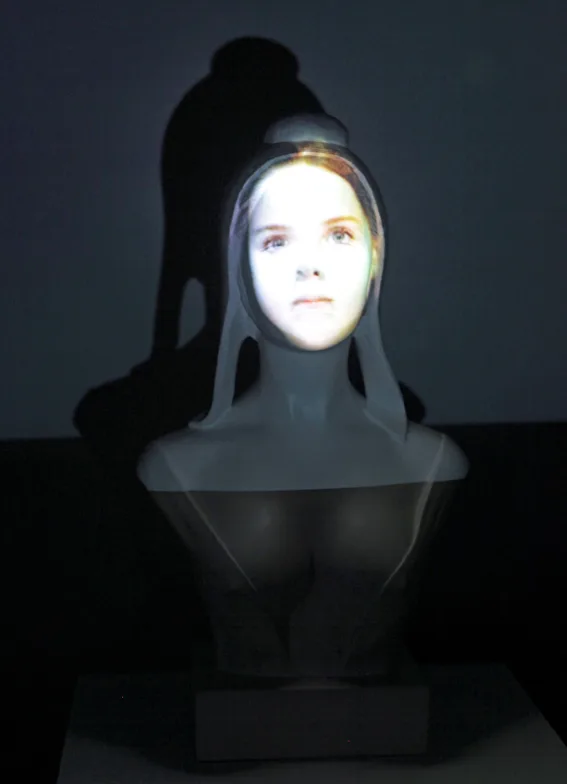
Two adjoining rooms, separated by a rectangular opening, both window and picture. One is the space for the audience, in total darkness. The other, inaccessible to the public, is lit up, like motorway tunnels and like a structure created by Olafur Eliasson, lit up using sodium light, the narrow spectrum of which does not make it possible to distinguish colours. In this room, a small tree has been planted, which cannot survive in such a faint light.
The survival structure.
When a spectator comes along and walks up to the opening, a light comes on within the spectrum, creating the properties of sunlight. When the soil becomes dry and it is necessary to water the tree, the visitor coming close also sets off a fine spray which, like the white light, is cut off when he or she leaves. The survival of the tree thus depends on people staying to look at it.
The observation structure
Above the opening, a camera takes a picture of the tree each time a movement is detected : a leaf falls.
Another camera, a sort of monochrome security camera, is set in a corner and directed at the window, taking in both the window and the tree. It takes a picture each time a visitor comes to look.
The image:
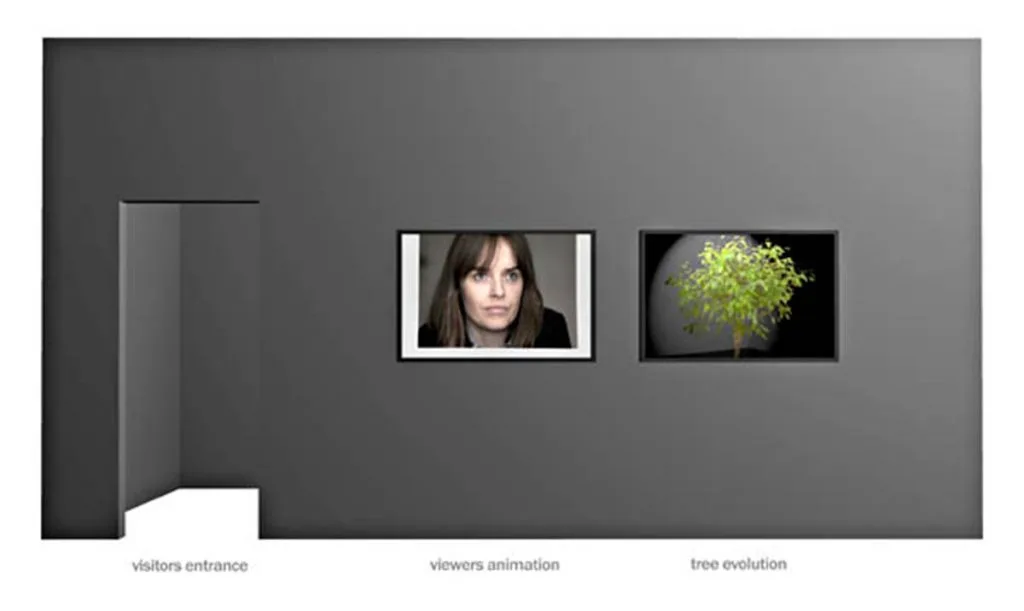
The two sequences of movement that are simultaneously created as time passes are projected onto two screens on the outside of the structure. On one side can be seen a tree in the process of dying and on the other a frenzied procession of visitors coming to see it.
The location of the two screens, situated before or after the two rooms, could determine the interpretation given by each spectator, and therefore his or her actions.
Just like those experiments where people are told to torture others, we can react to the fact that we have been ordered to help keep a being alive, without thinking that the author’s responsibility is greater than that of the person directed.
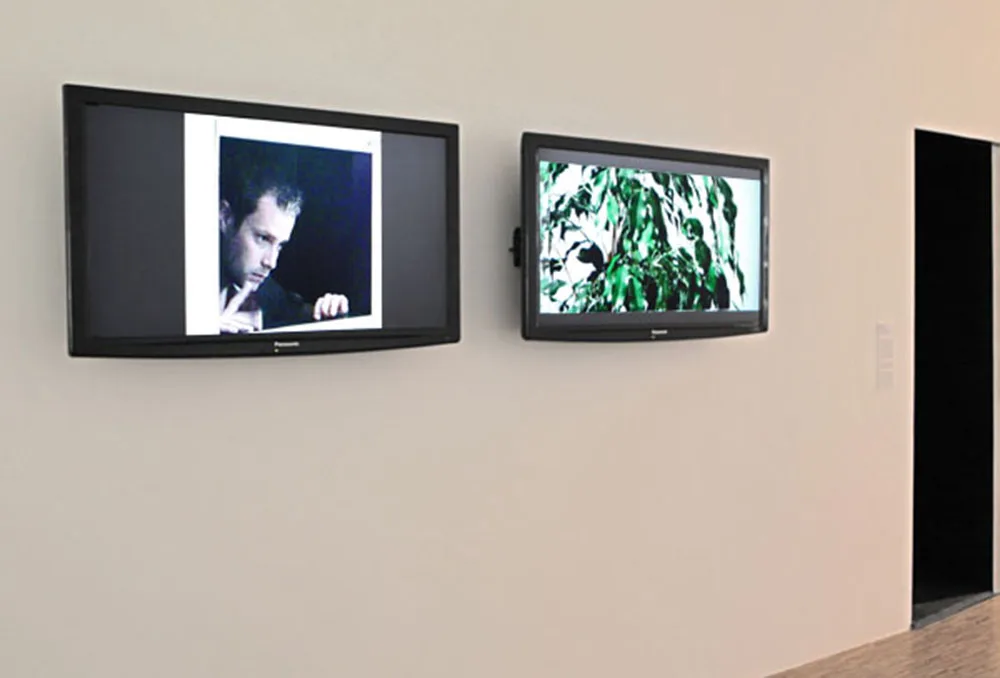
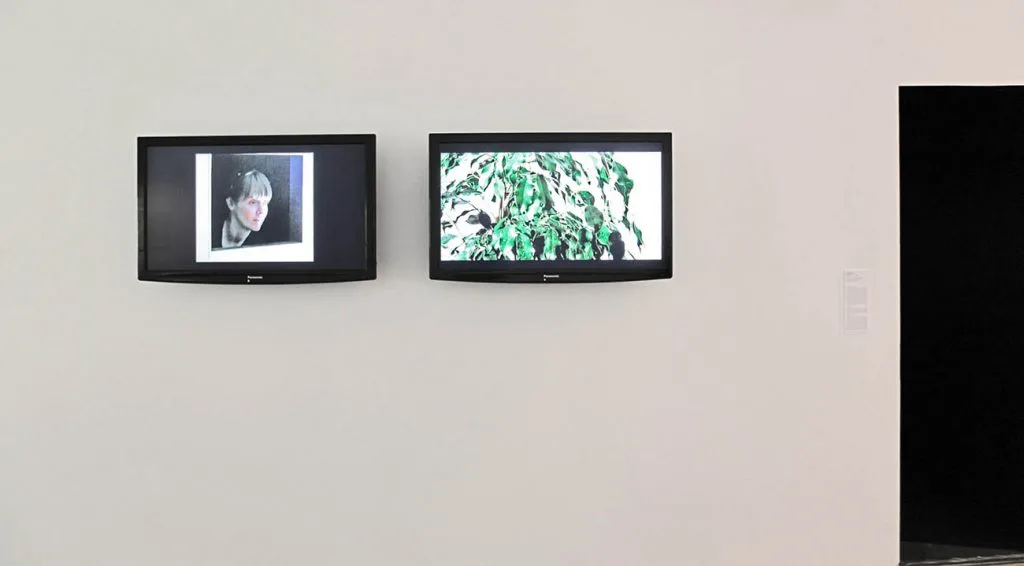
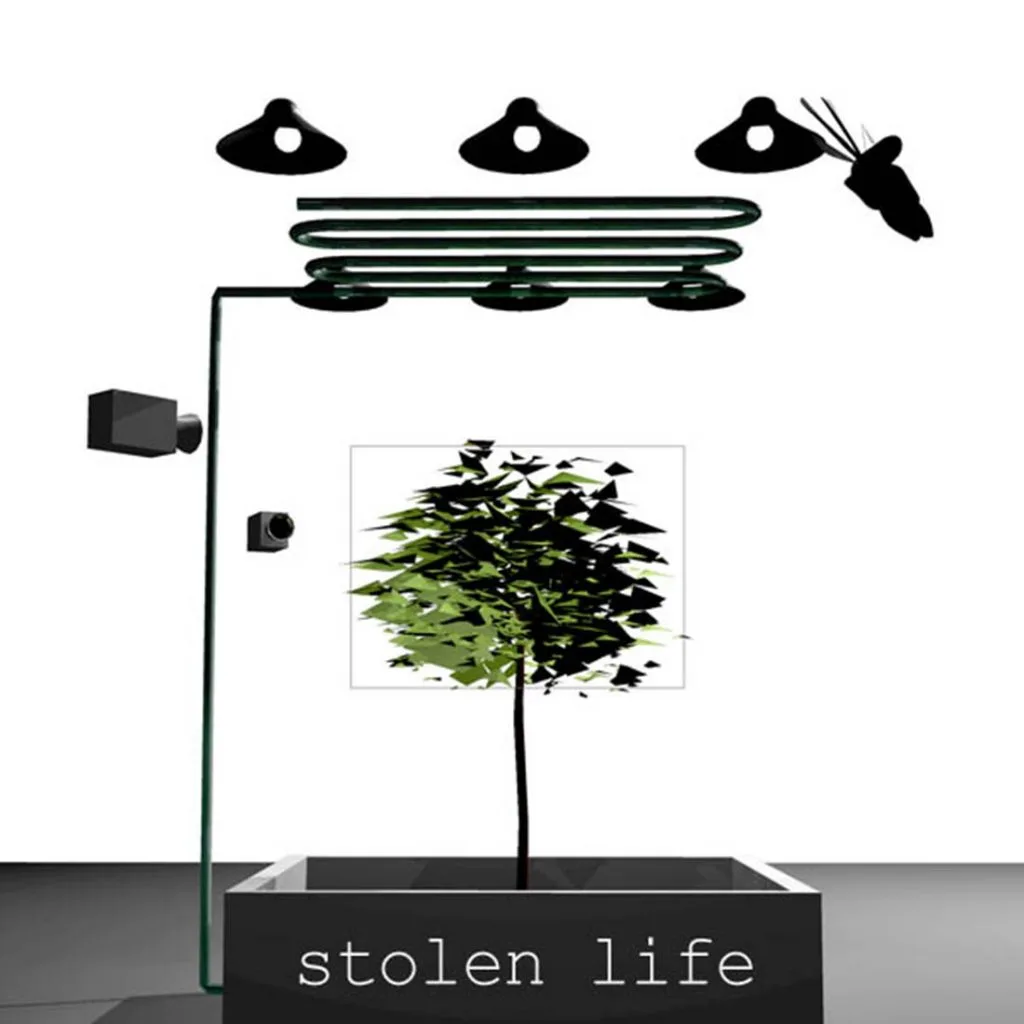
Stolen Life
Installation, vidéo et végétal
11.05.2011 > 3.07.2011 – Entrée libre
communiqué Centre des Arts
Pour ce dernier volet de la saison, le centre des arts invite l’esprit prolifique de Maurice Benayoun à investir ses espaces ainsi que ceux de la Médiathèque George Sand d’Enghien-les-Bains autour de deux propositions différentes. Jouant un rôle majeur dans le domaine des nouveaux médias, de l’image de synthèse et de la création numérique, il réalise entre 1990 et 1993 la série Quarxs en collaboration avec François Schuiten et Benoît Peeters. Ce programme est la toute première série en images de synthèse 3D haute définition et sera montré à la Médiathèque George Sand d’Enghien-les-Bains accompagné de tous les dessins et objets préparatoires ayant servi à la réalisation de ce projet.
Parallèlement à ces recherches, Maurice Benayoun s’atèle à un travail plus personnel en élaborant au quotidien un répertoire d’esquisses, de projets difficilement réalisables, de concepts pertinents, délirants, ou flottants qu’il dépose sans distinction dans un espace qu’il nomme The Dump (La Décharge).
L’exposition Out of the dump au centre des arts propose donc de puiser parmi ces projets inédits, etd’extraire de cet espace un panel inédit d’installations, de démonstrations et d’images qui prolongeront l’univers de l’artiste.
Interview par Véronique Godé ans le cadre de l’exposition, durant Futur en Seine
Une Monographie incluant un DVD est publiée à l’occasion de l’exposition: “Maurice Benayoun OPEN ART”.
Commissariat et édition conçue et réalisée par Dominique Roland, directeur. contact presse : Isabelle Louis – tél : 01 42 78 18 04 – 06 82 36 21 34 – [email protected]
contact centre des arts : Anna Broquet – tél : 01 30 10 88 97 – [email protected]
centre des arts : 12/16, rue de la Libération – 95880 – Enghien-les-Bains – tél : + 33 (0)1 30 10 85 59 – www.cda95.fr
horaires : CDA : du mardi au vendredi de 11h à 19h – le samedi de 14h à 19h – le dimanche de 14 h à 18h
Médiathèque George Sand : 5-7, rue de Mora-95880 – Enghien-les-Bains – tél : + 33 (0)1 34 28 45 91
horaires : mardi et vendredi de 10h à 12h et de 14h à 18h – mercredi et samedi de 10h à 18h
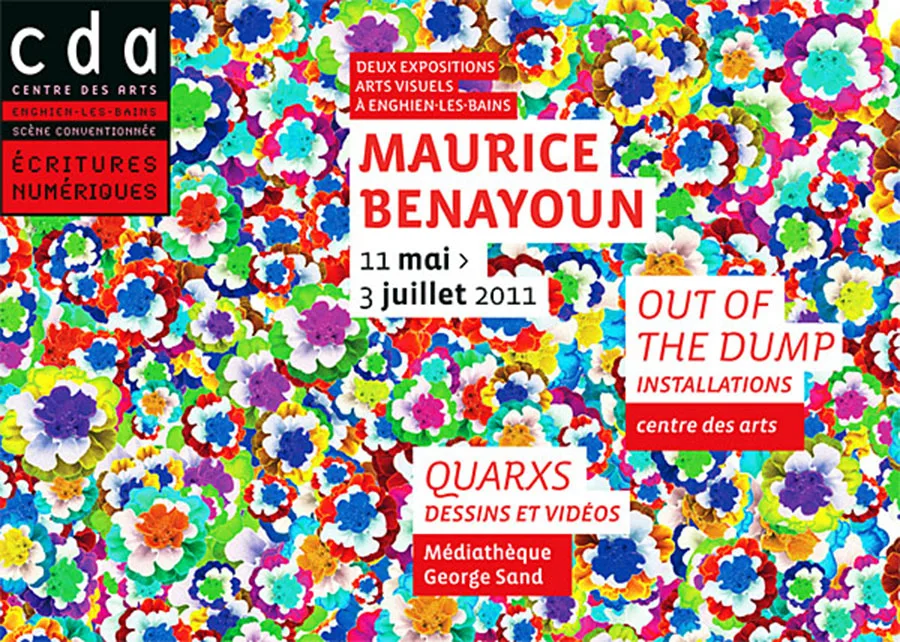

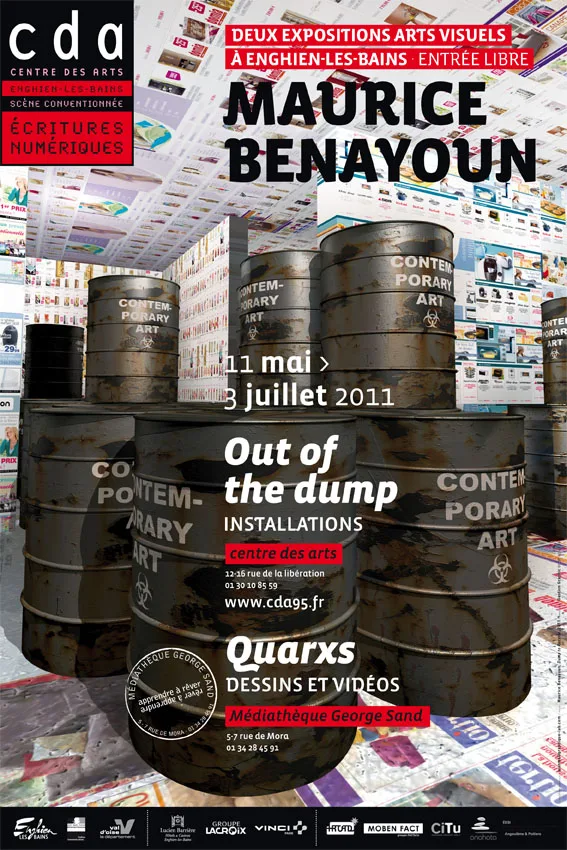
Out of The Dump
Exposition Centre des Arts d’Enghien les Bains
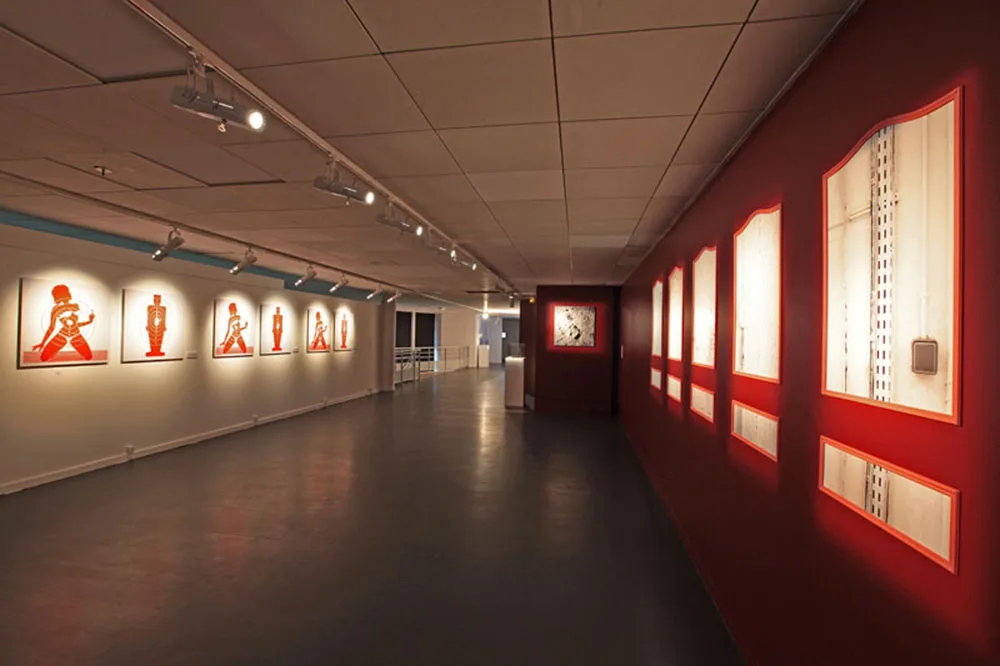
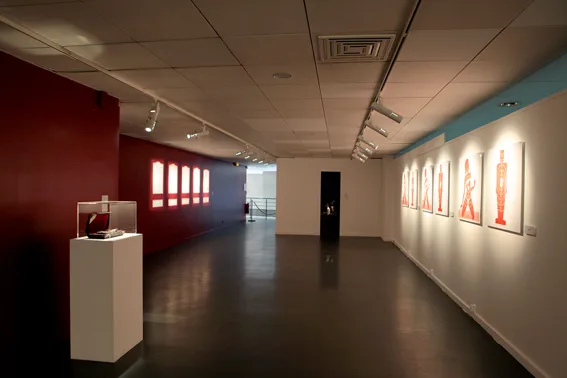
Plus de 15 installations issues de la décharge à projets
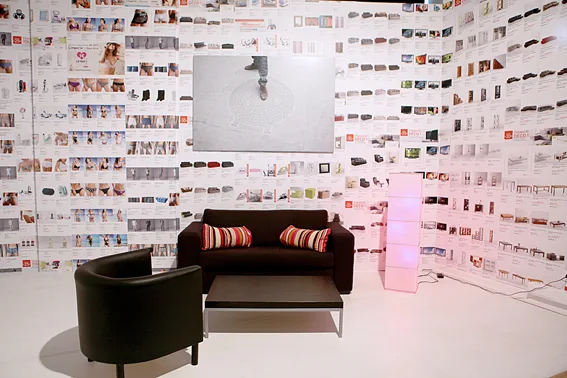
The phenomenon seems to be becoming general : replacing the object by its commercial representation. On television, the programme has officially become the excuse and the ads have become the text itself. Our environment has to adapt and the objects which fill our daily life are replaced by their invoiced representation. As each consumer’s potential attention span is the true trade price, information becomes free (on the Internet or in the daily press) and is supported, in all senses of the word, by publicity.
Appartement témoin
Installation, Papier peint, Mobilier
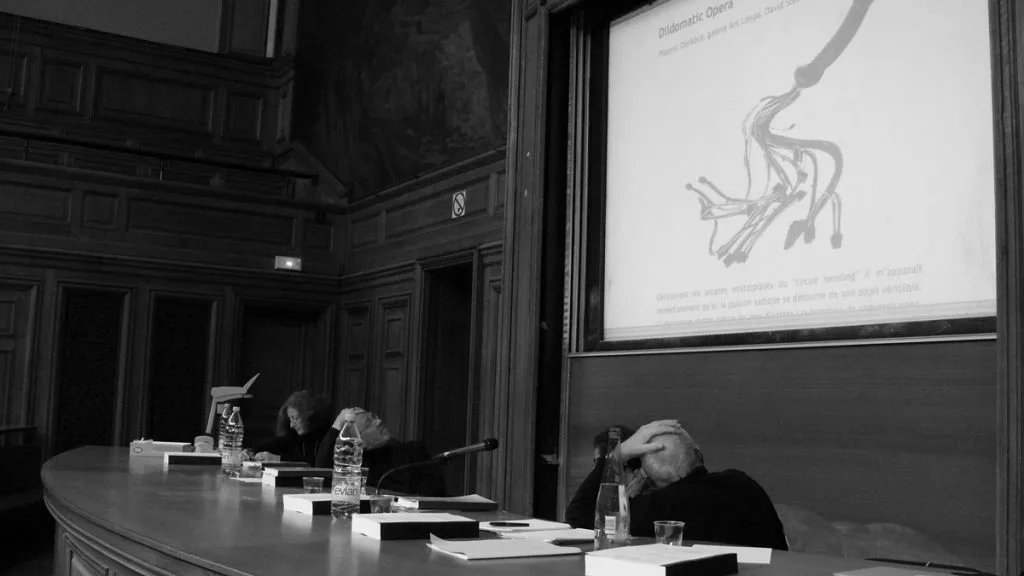
Discovering the secrets of nostalgic “circuit bending” it seems that here the drive immediately sadistic turns of its true purpose. The crushing nature of games against child trying to convert sounds, notes and voice stuttering, screaming, belching, and other electronic rumblings that makes me think hard compulsive is not for its real recipient.
I had the opportunity to say that the absolute referent of the interaction was “dialogue, dialogue with extreme forms are” making love “and” make war “. For “interesting” the Game, must embody the interaction.
The art is sometimes a form of onanism, narcissism and despair, I propose a performance that puts the body at the center of the manipulation.
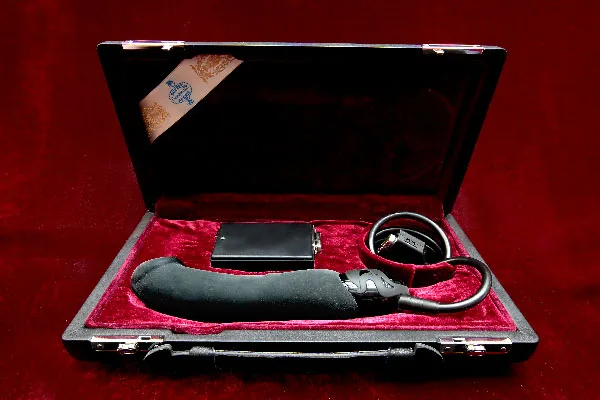
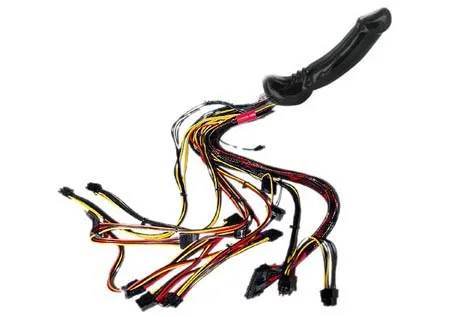
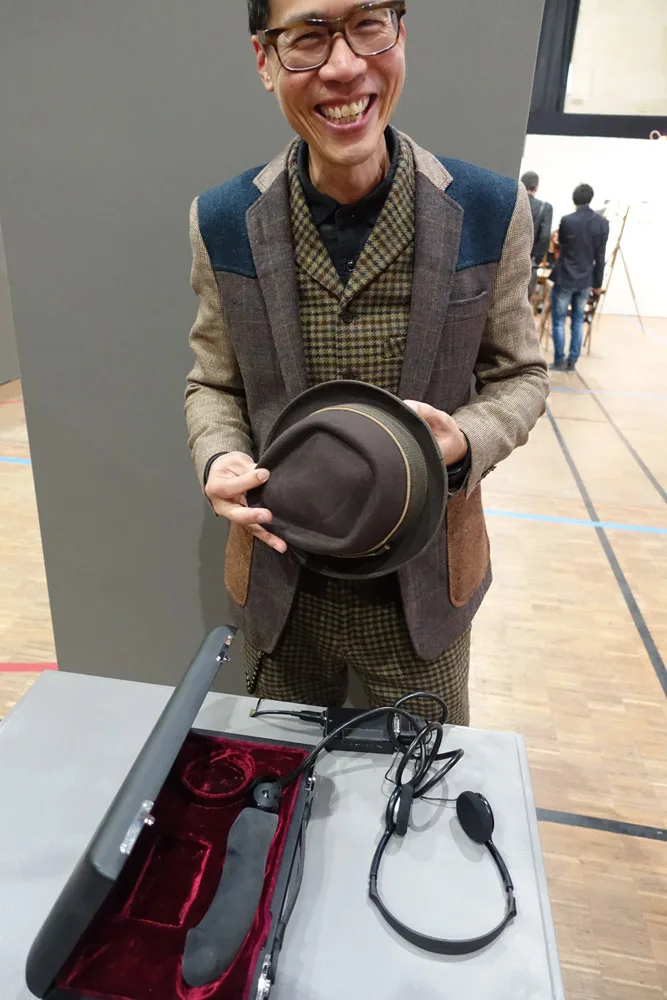
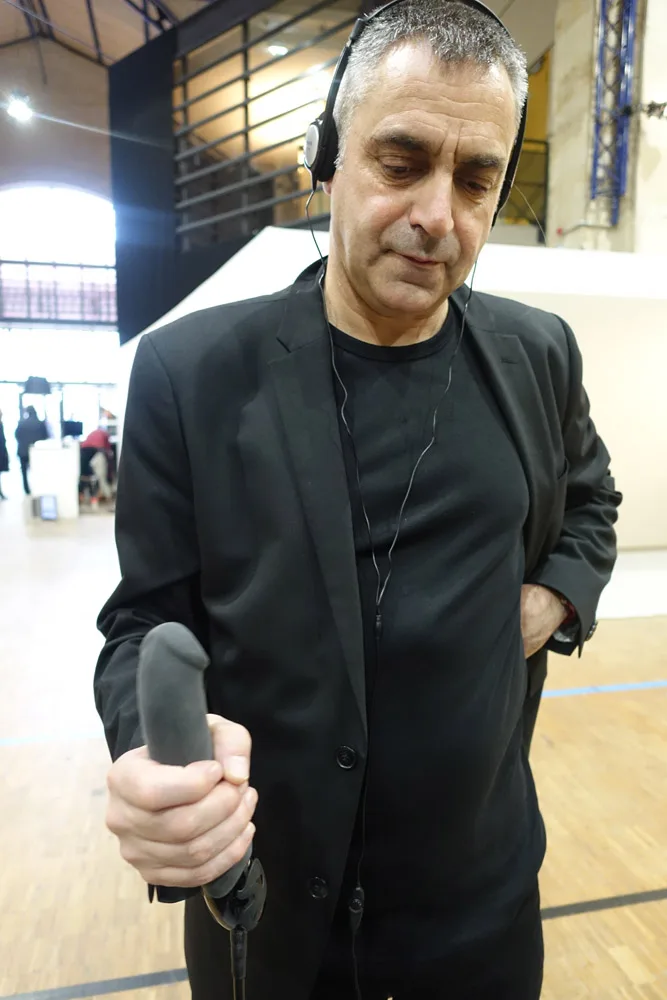
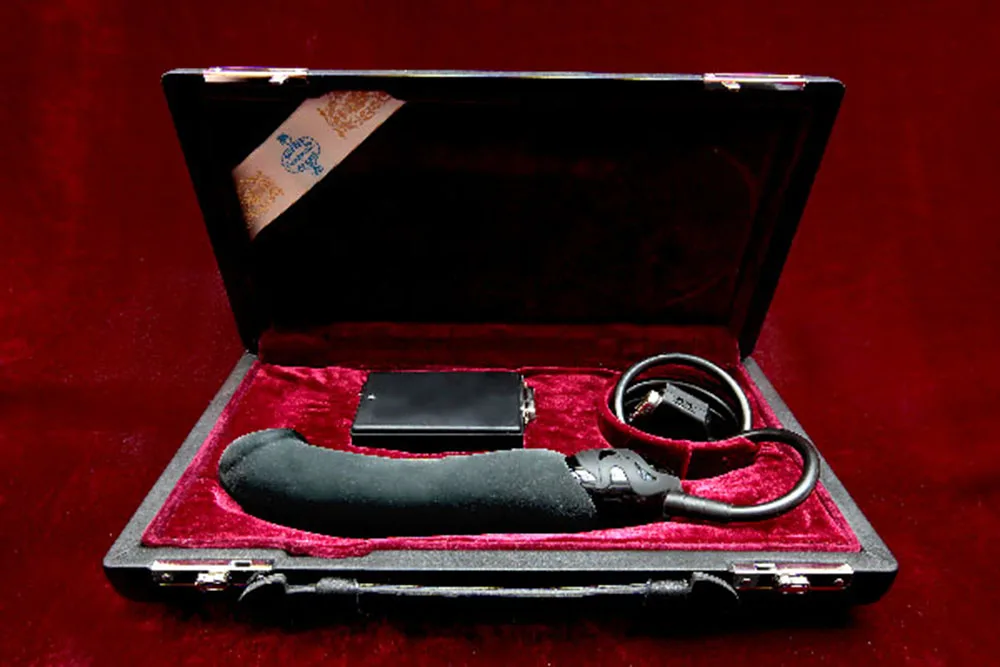
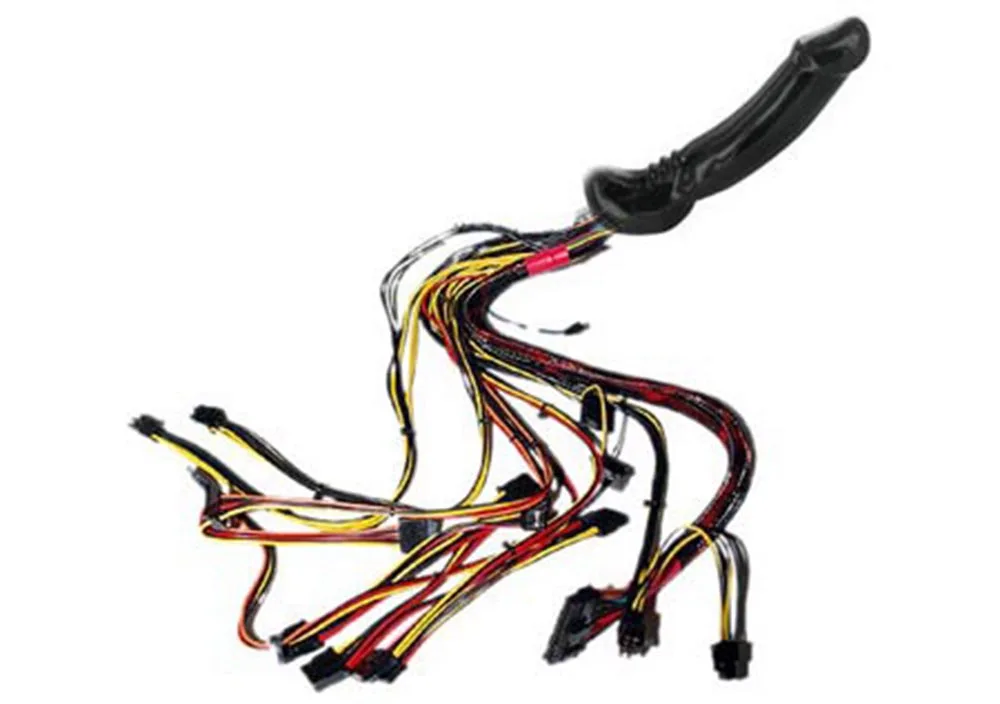
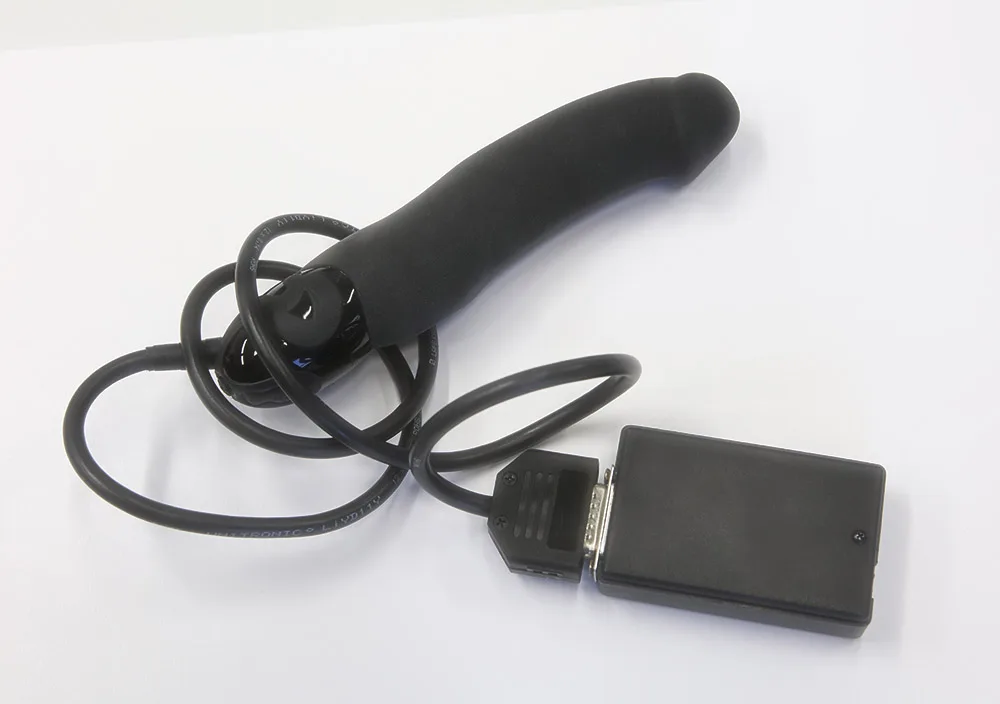
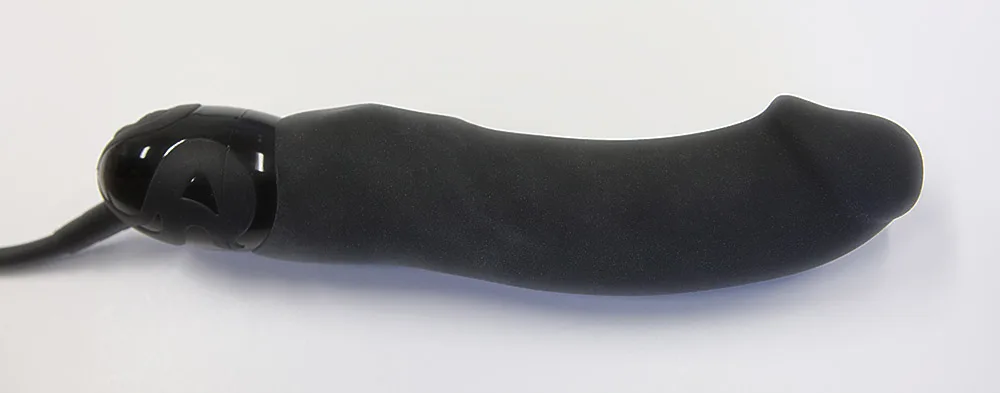
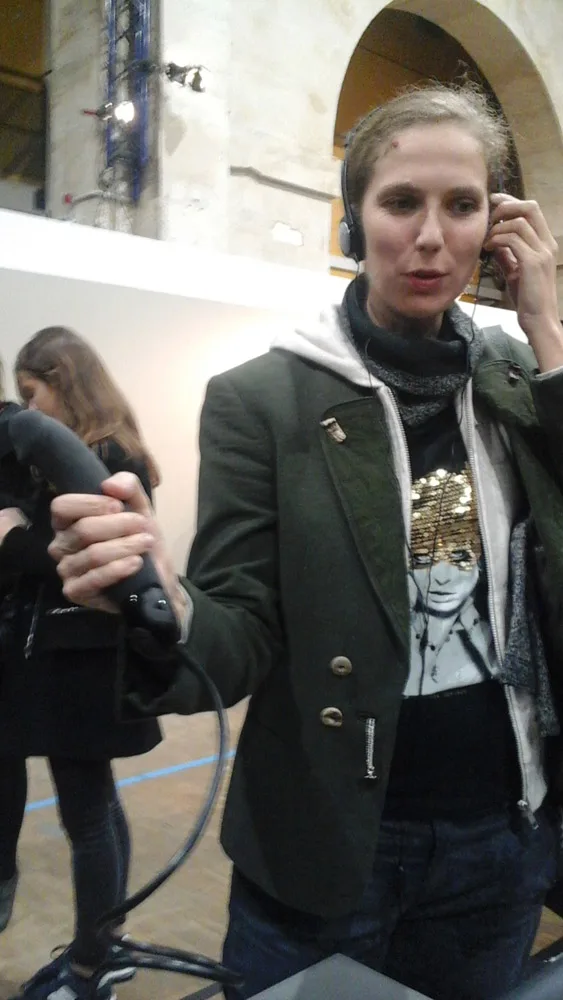
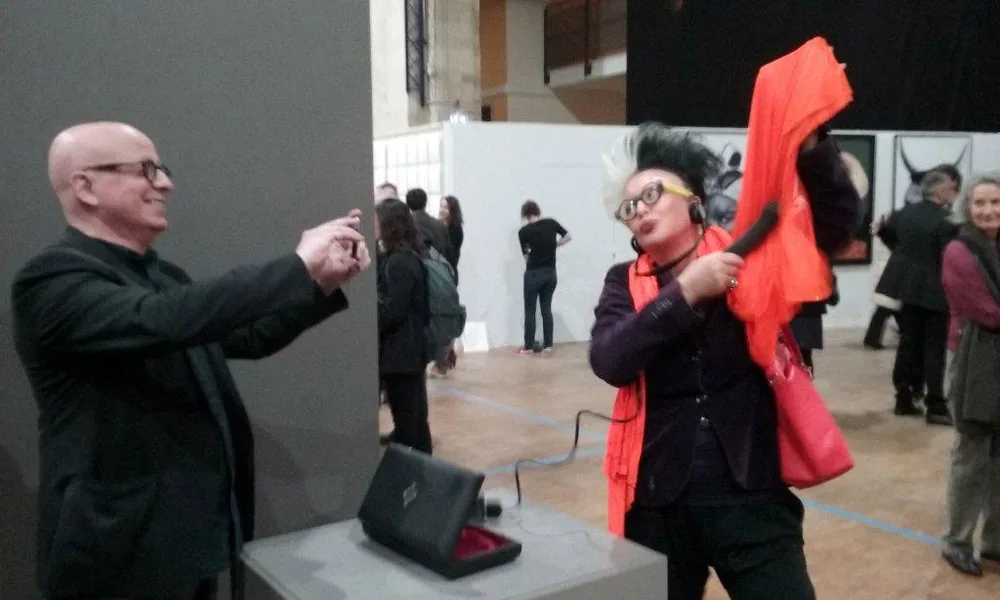
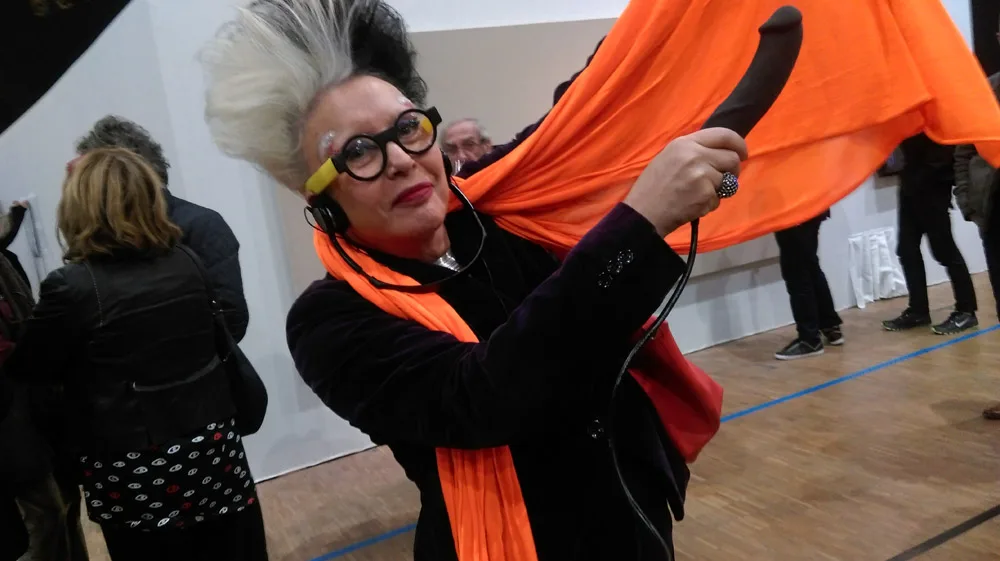
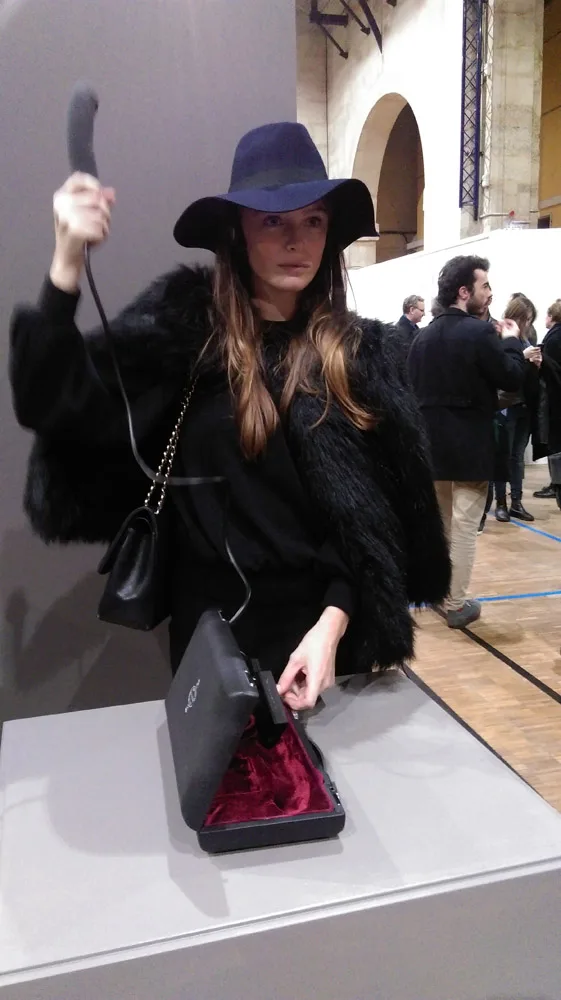
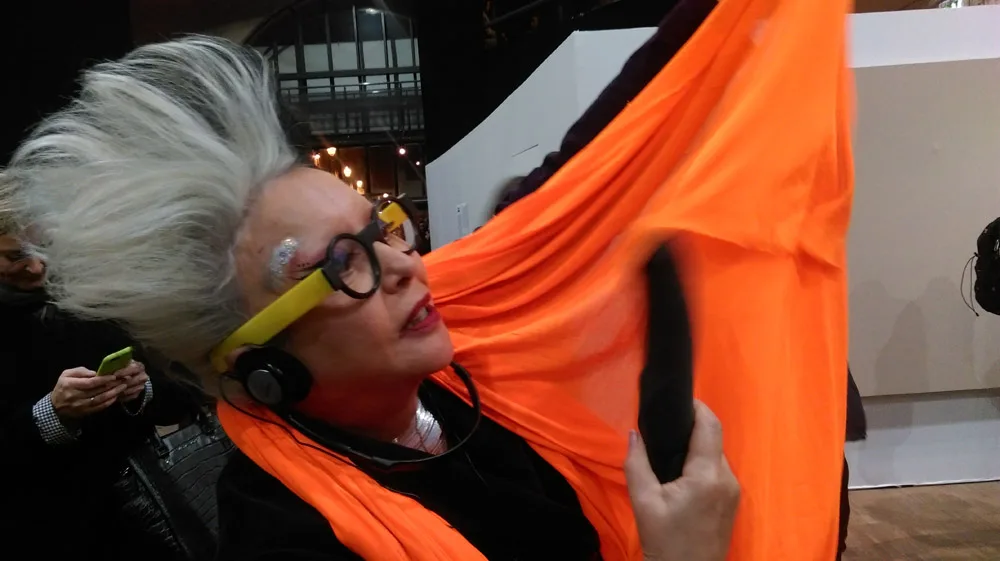
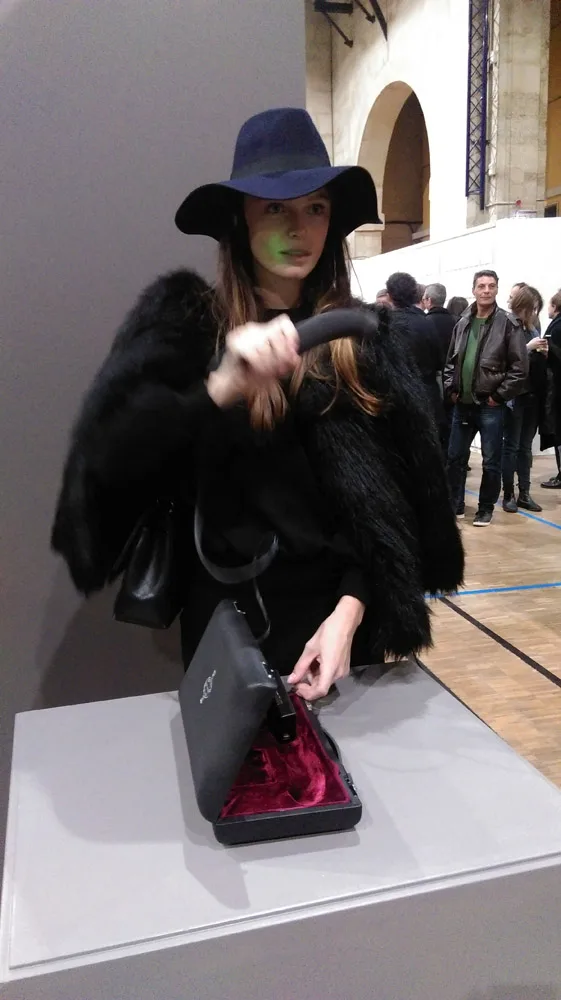
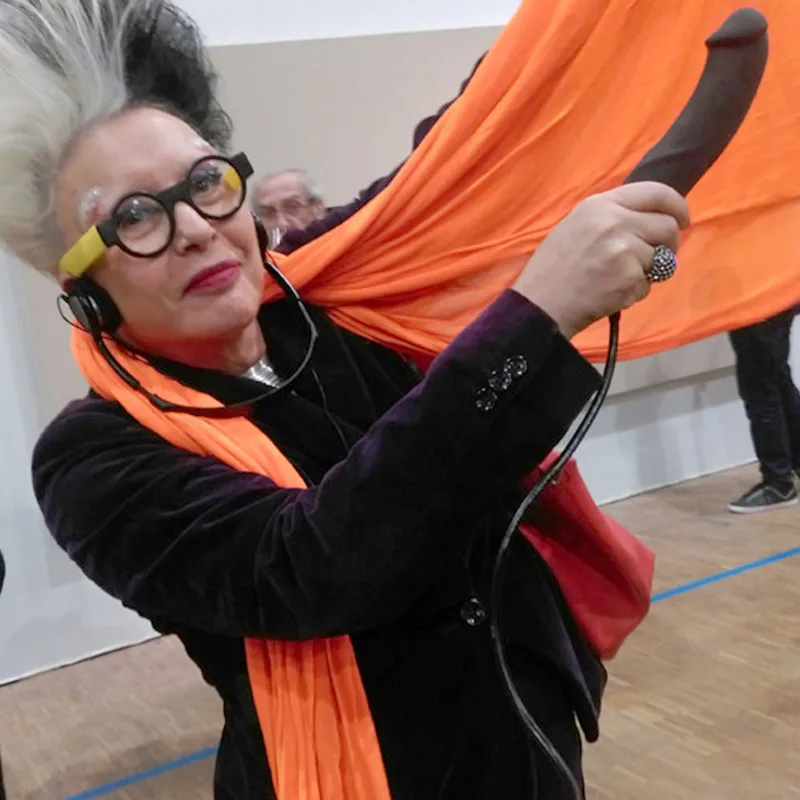
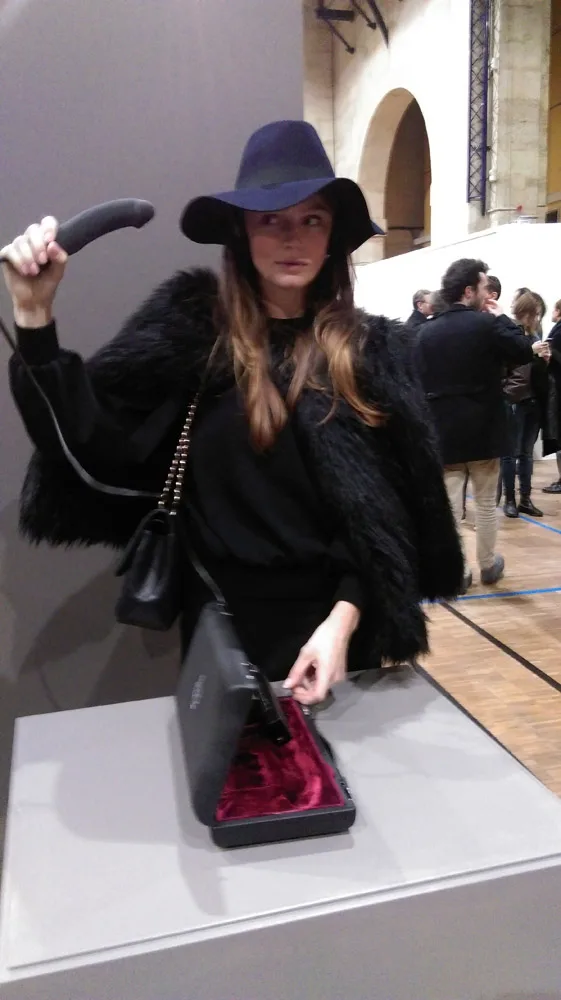
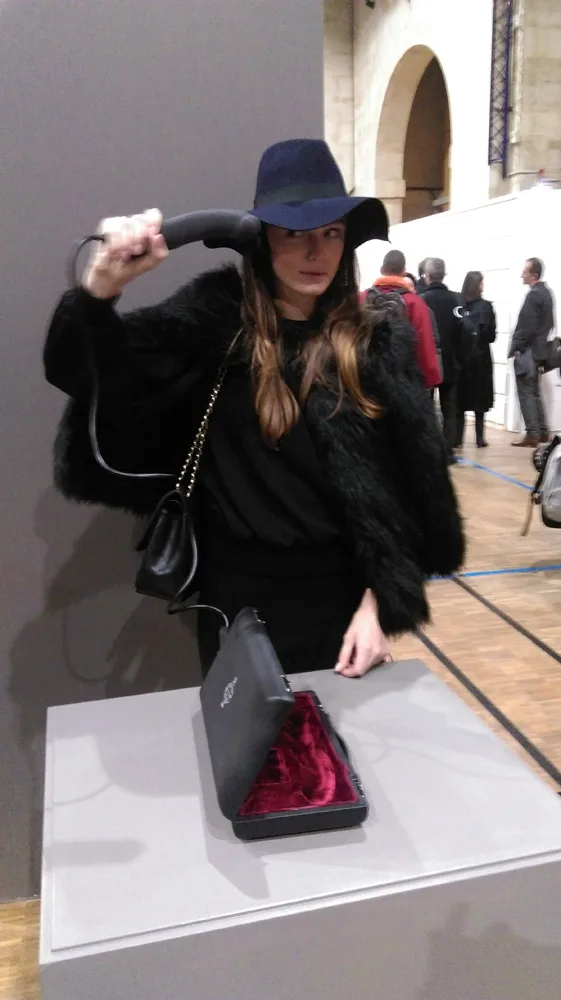
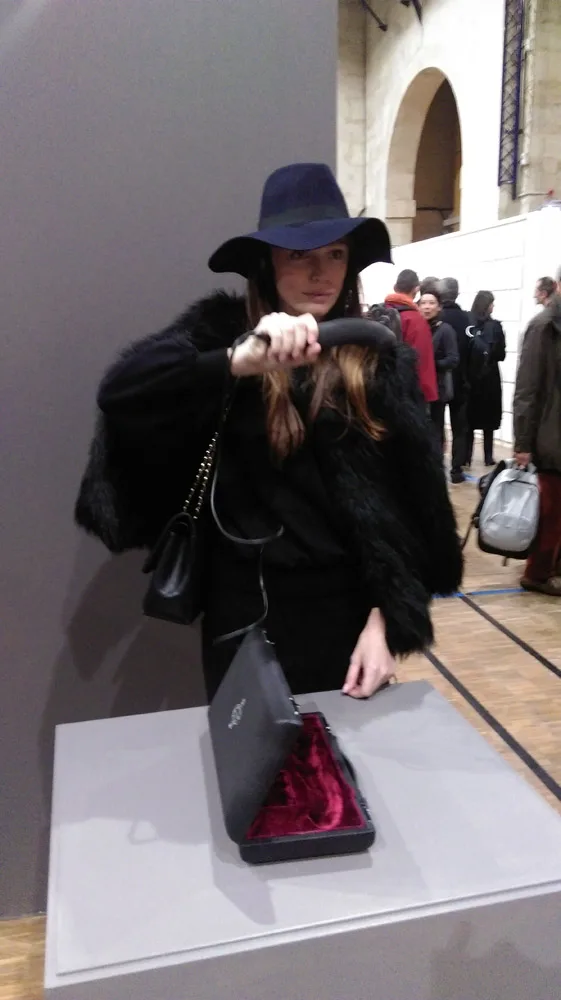
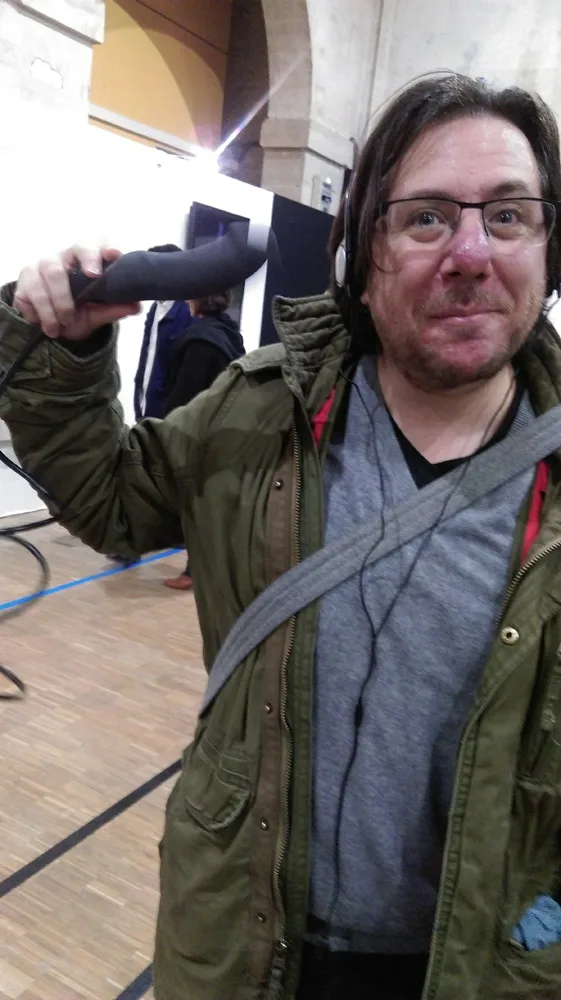
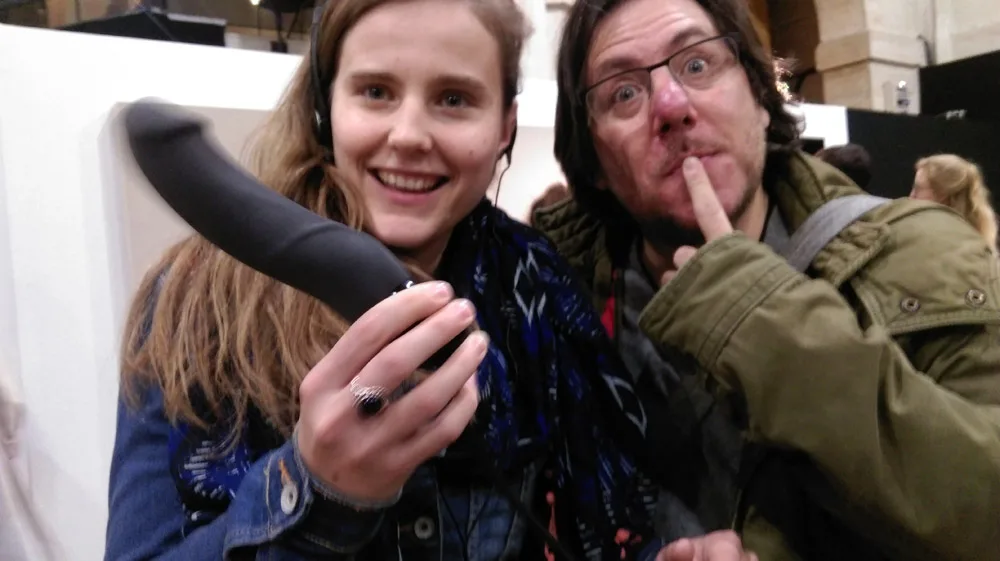
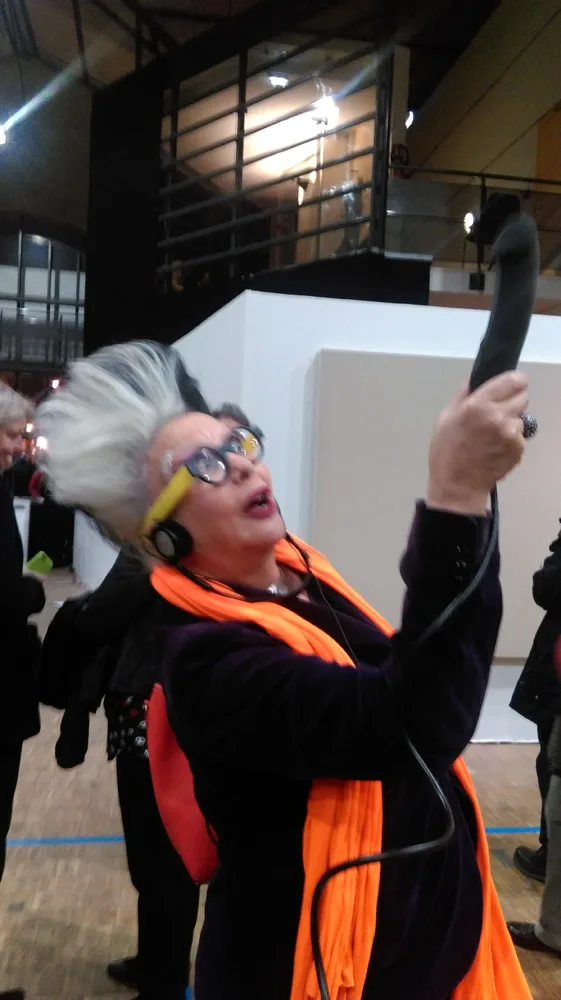
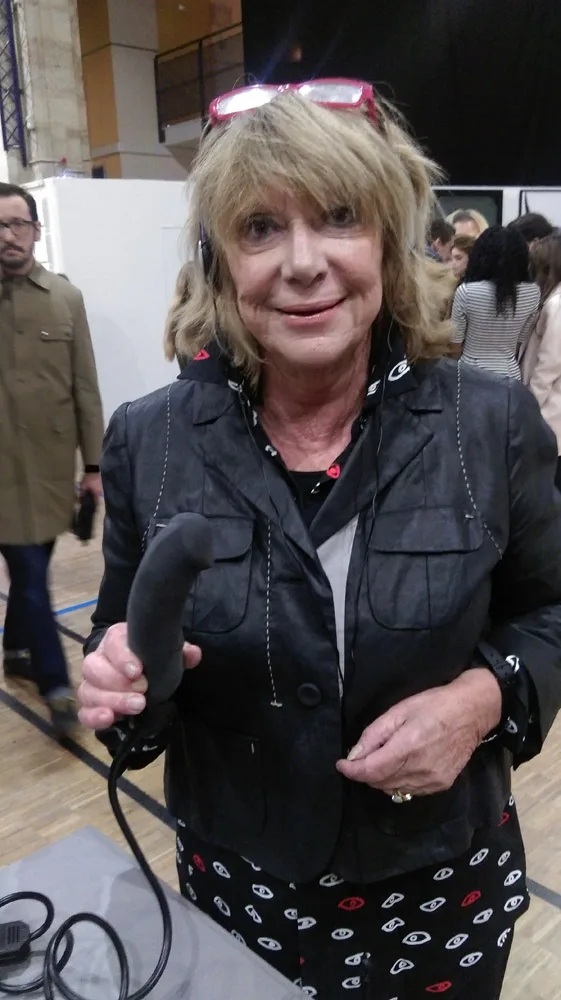
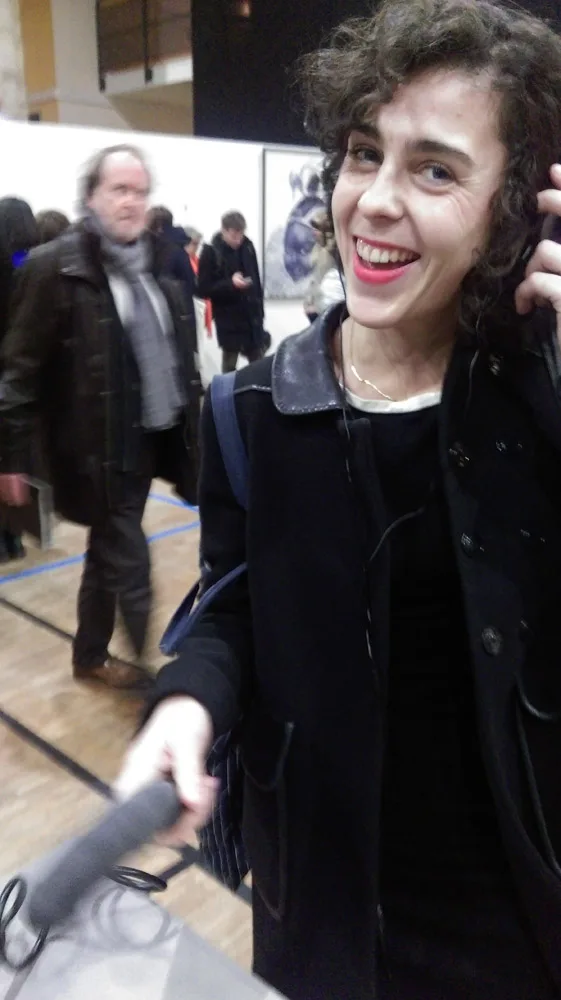
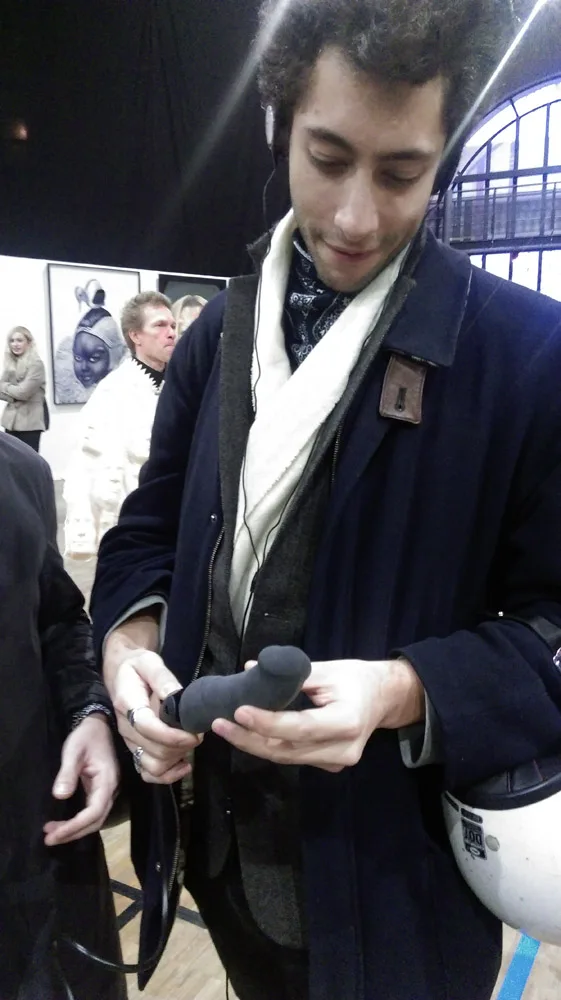
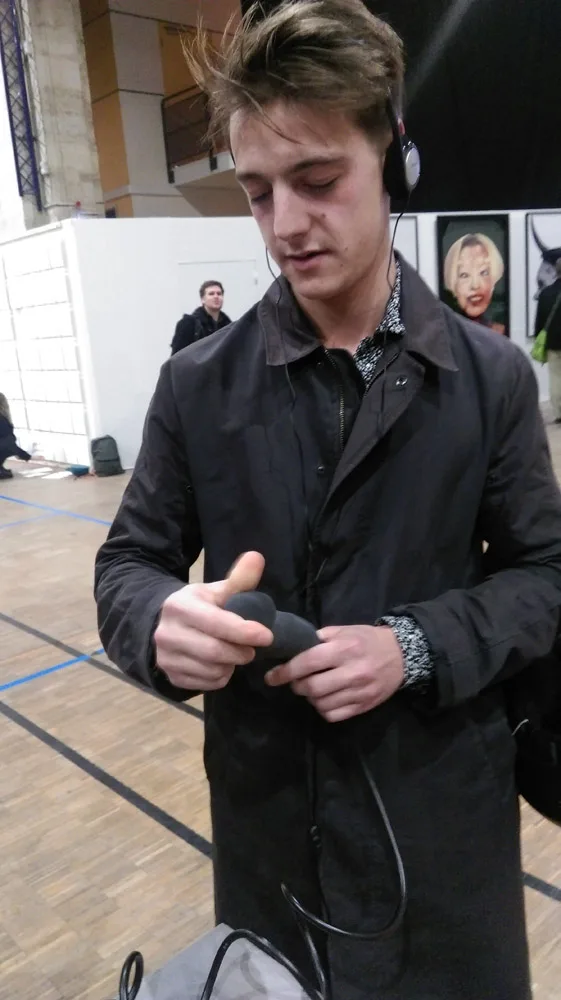
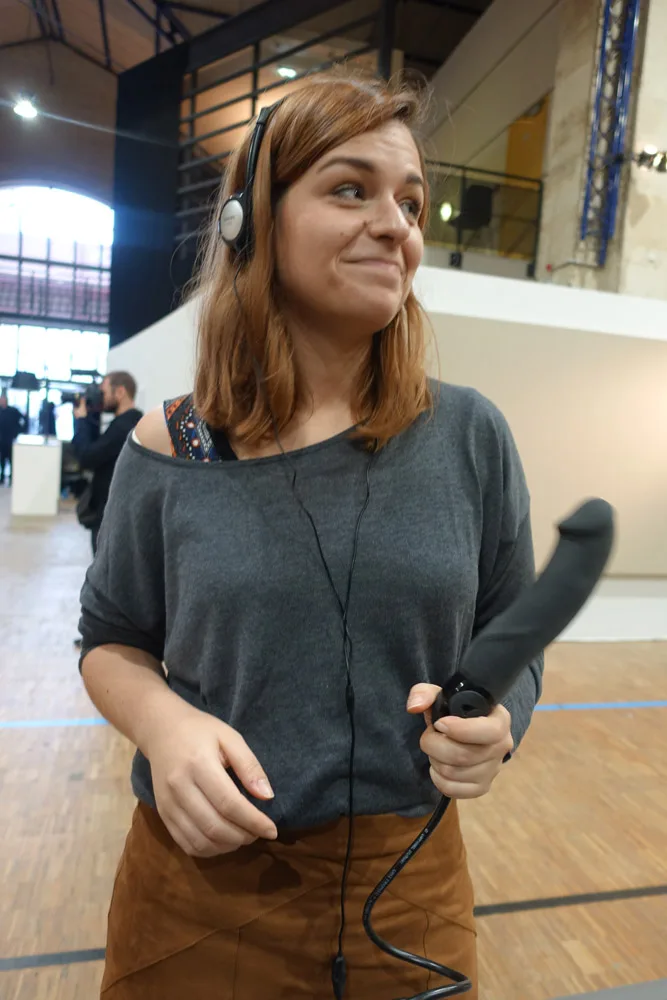
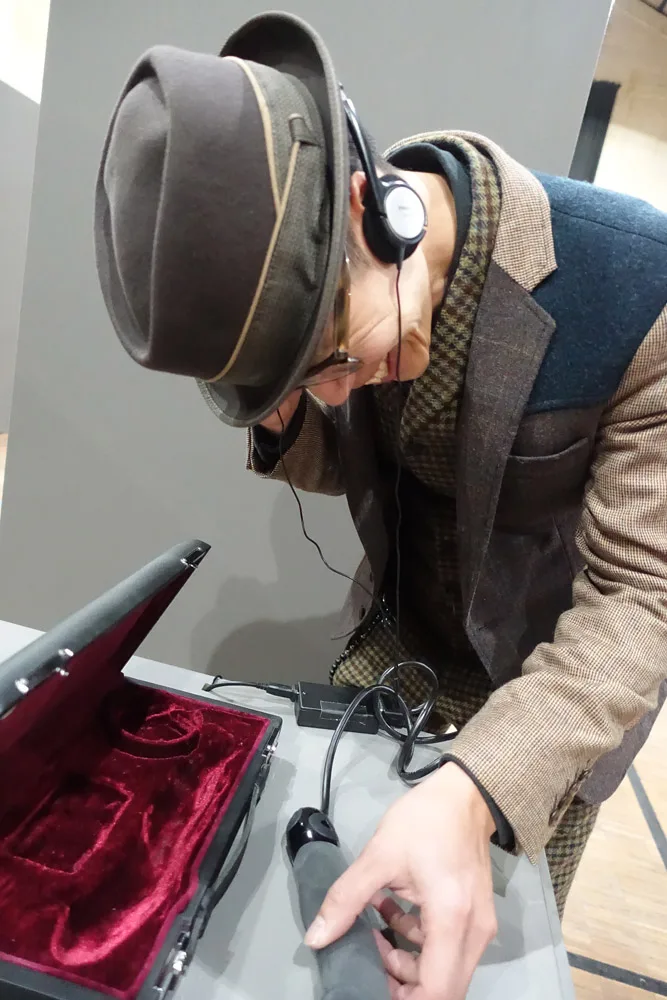
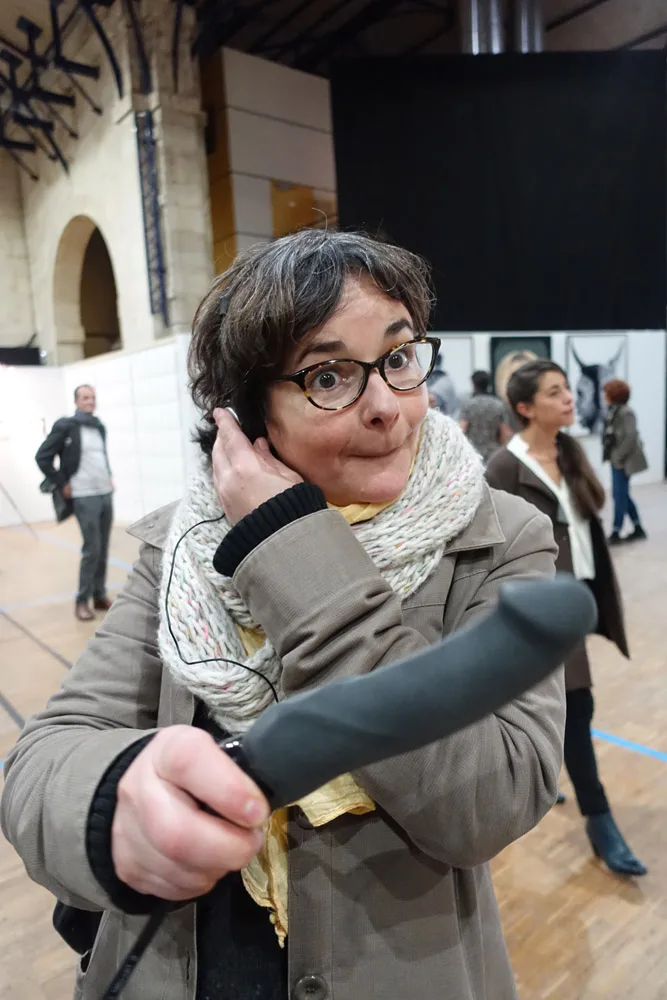
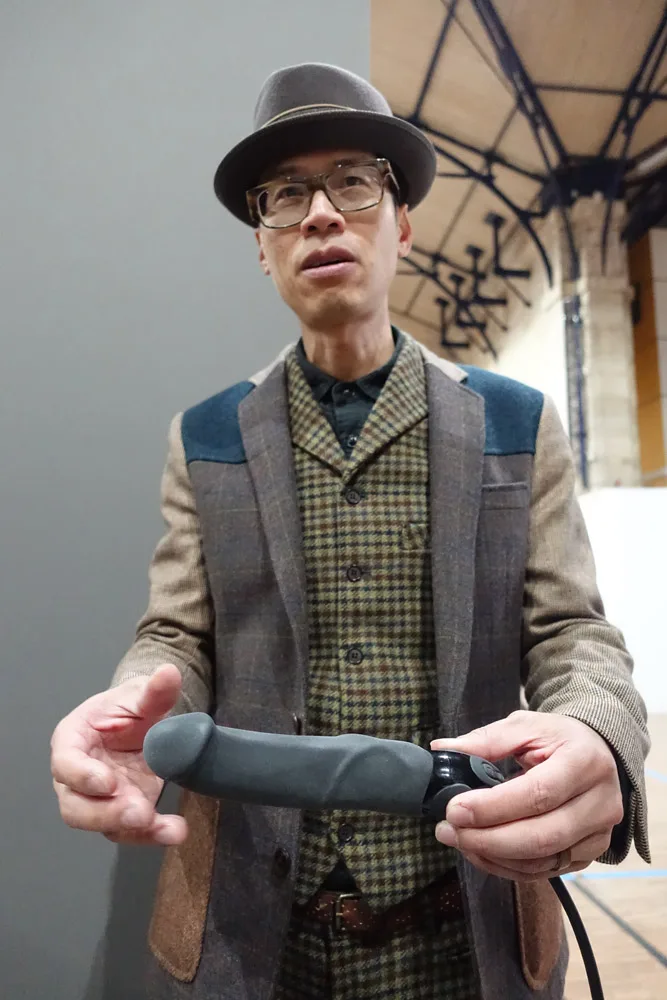
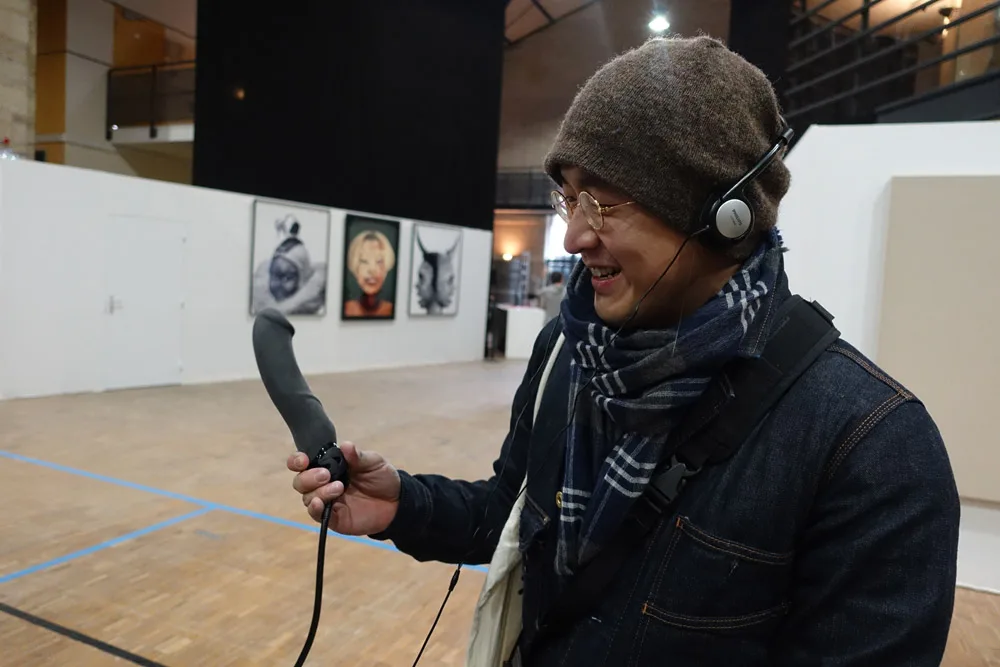
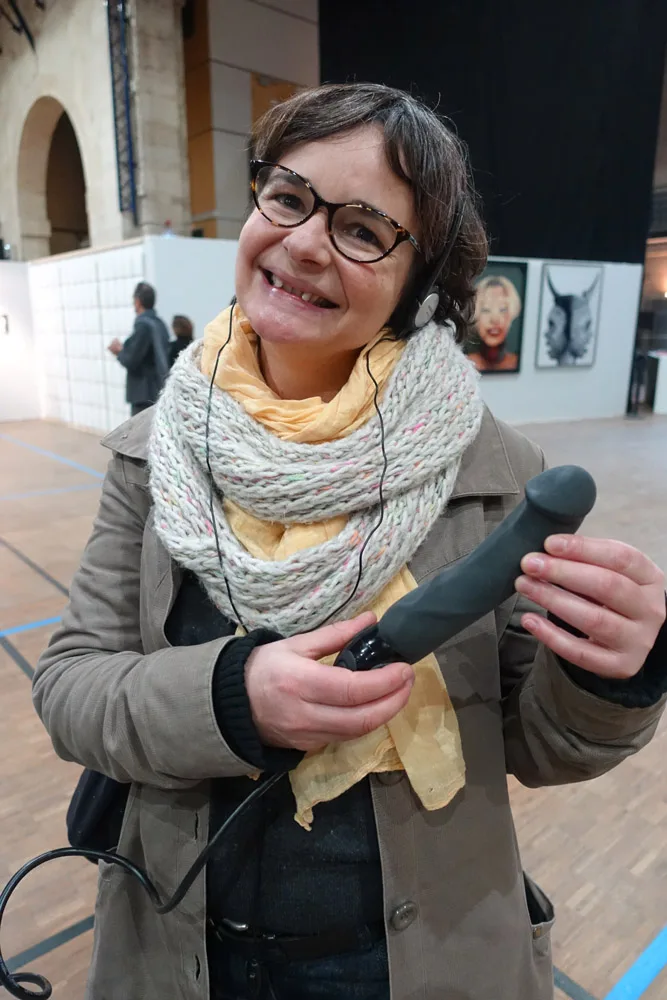
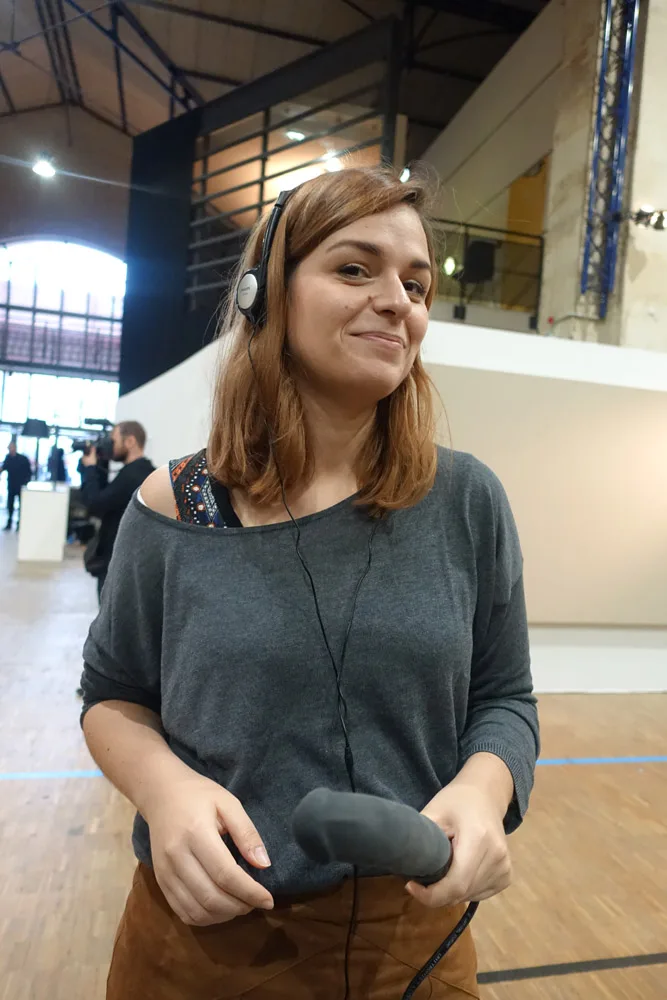
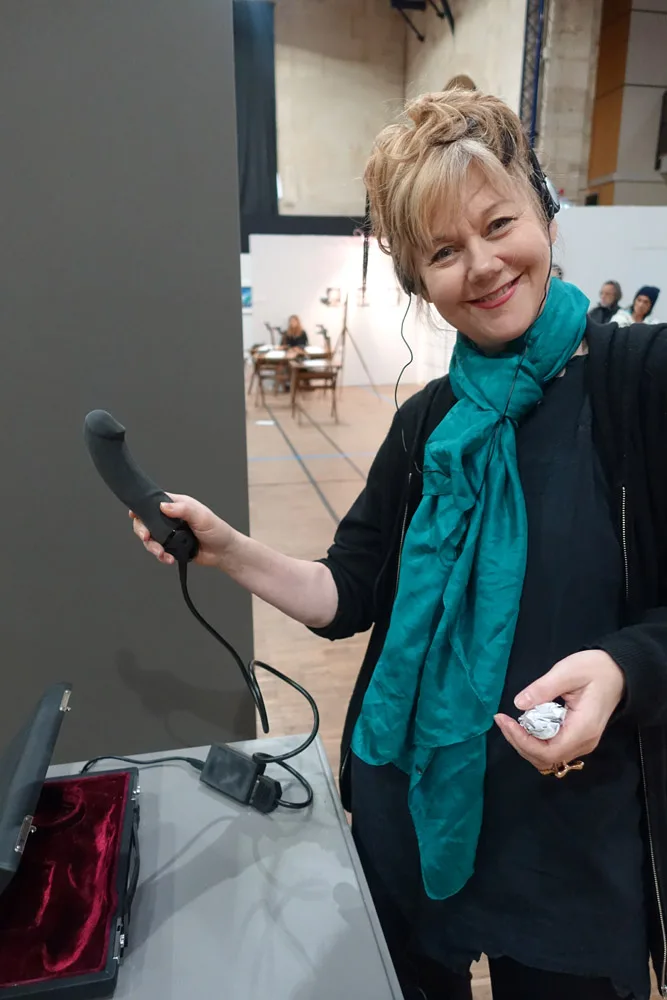
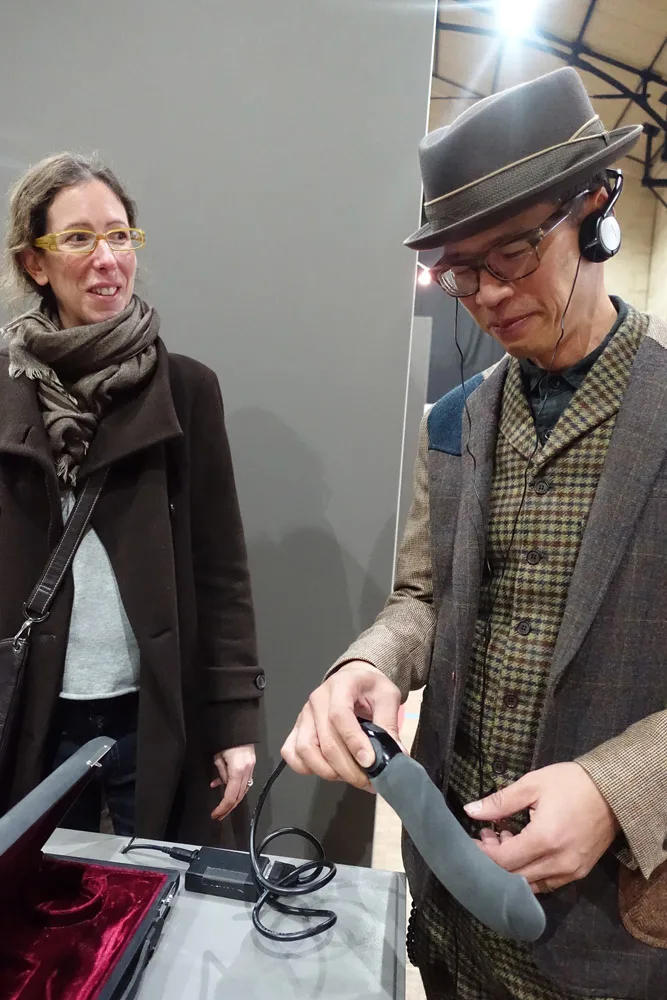
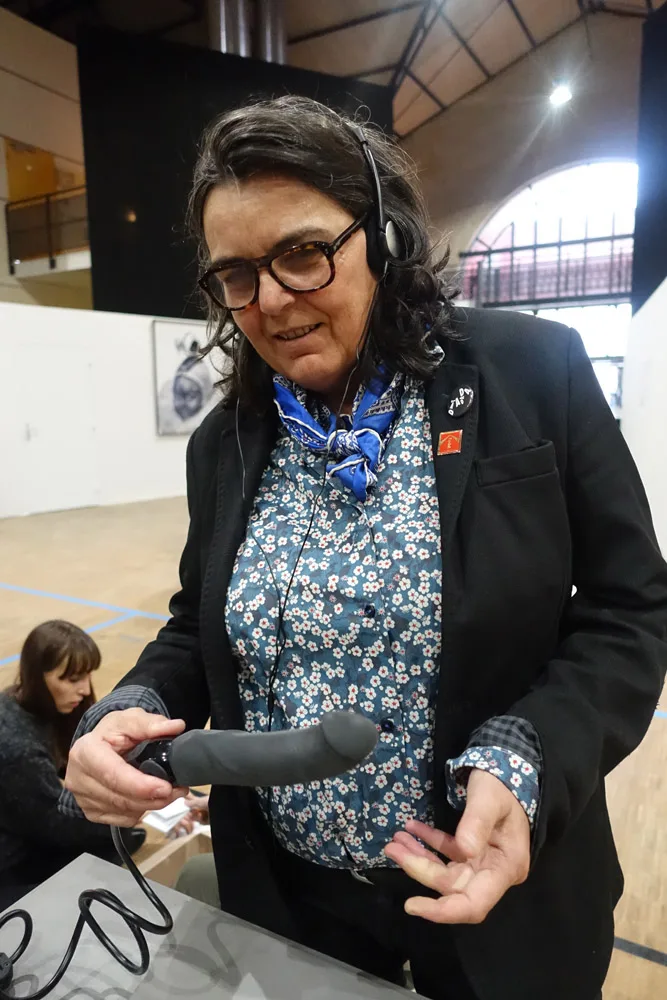
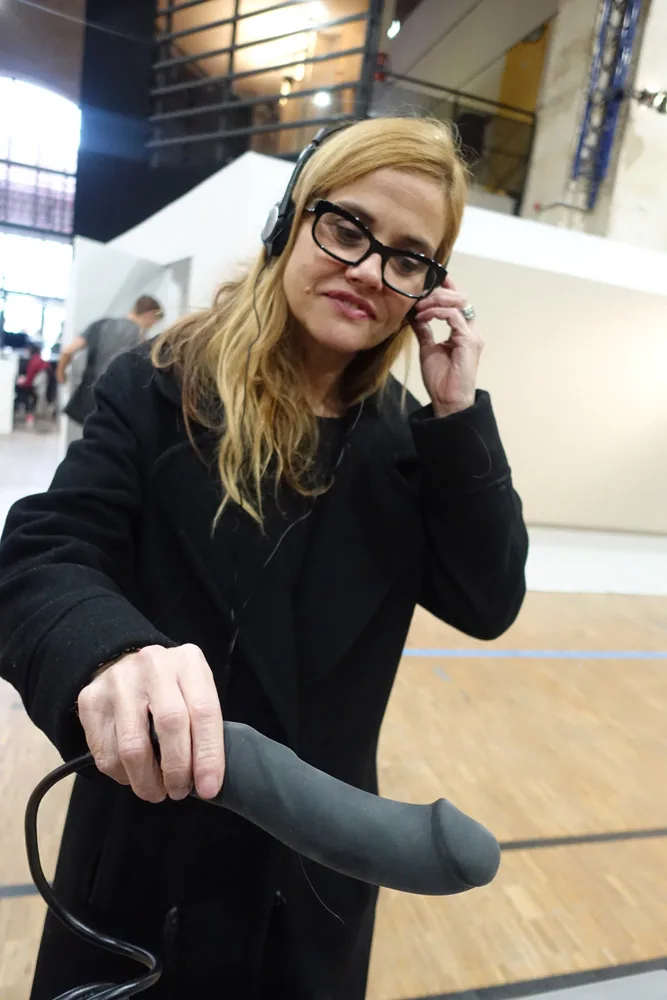
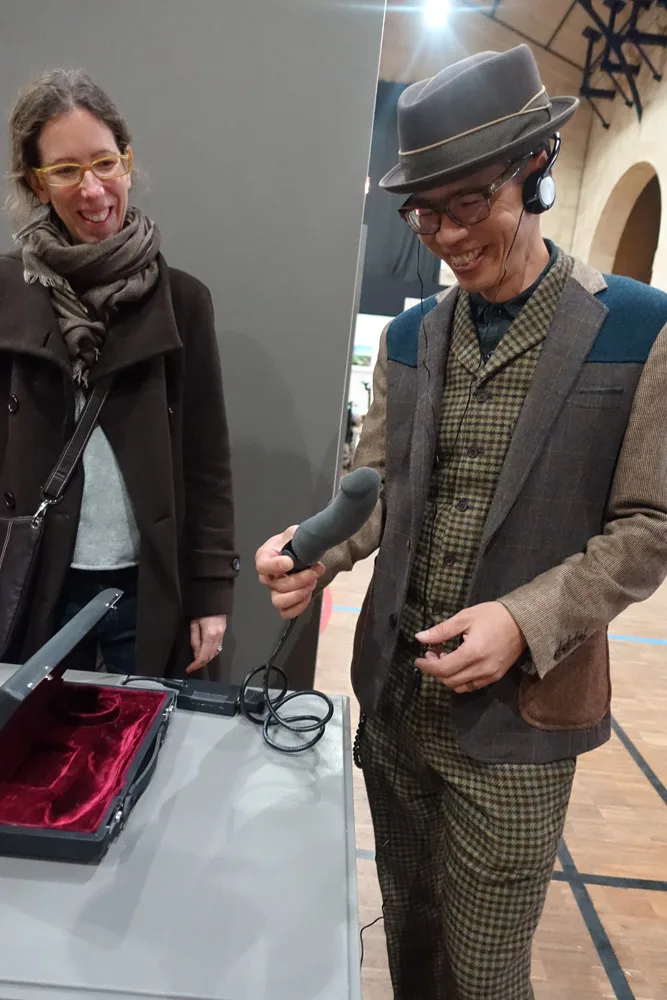
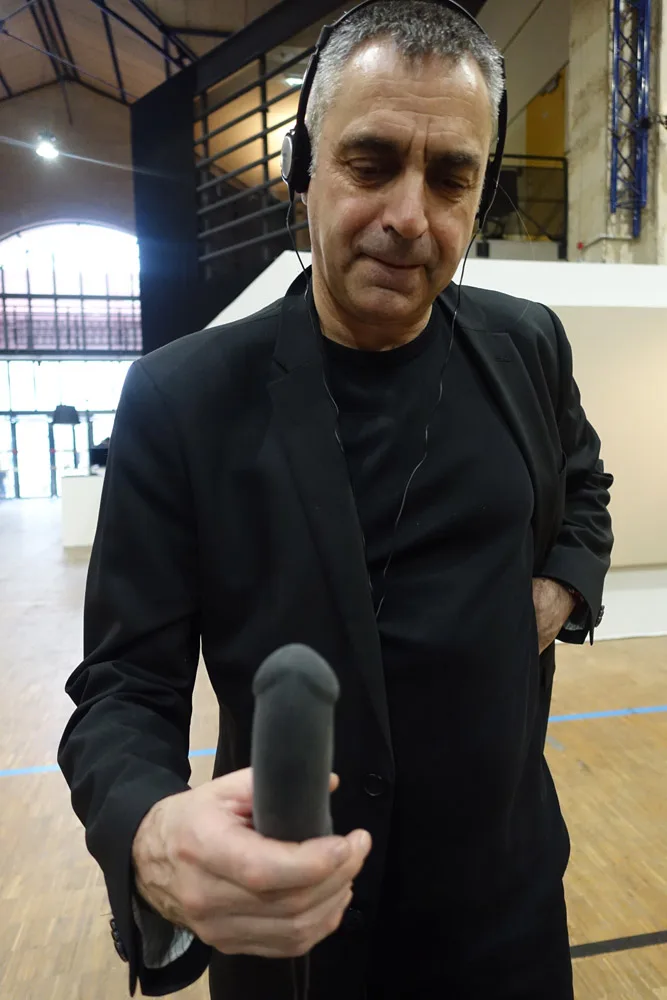
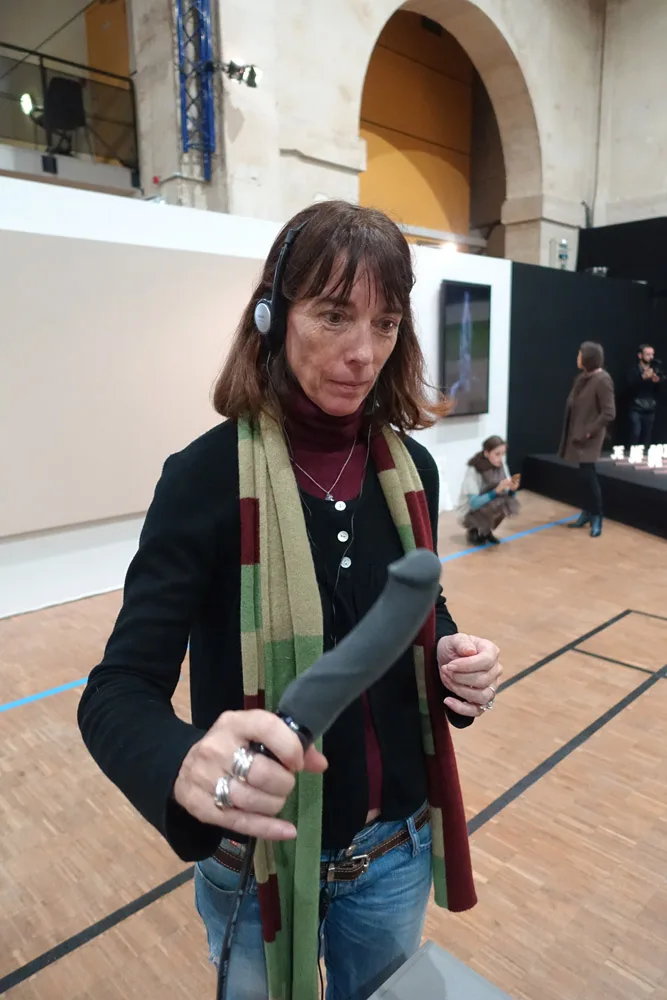
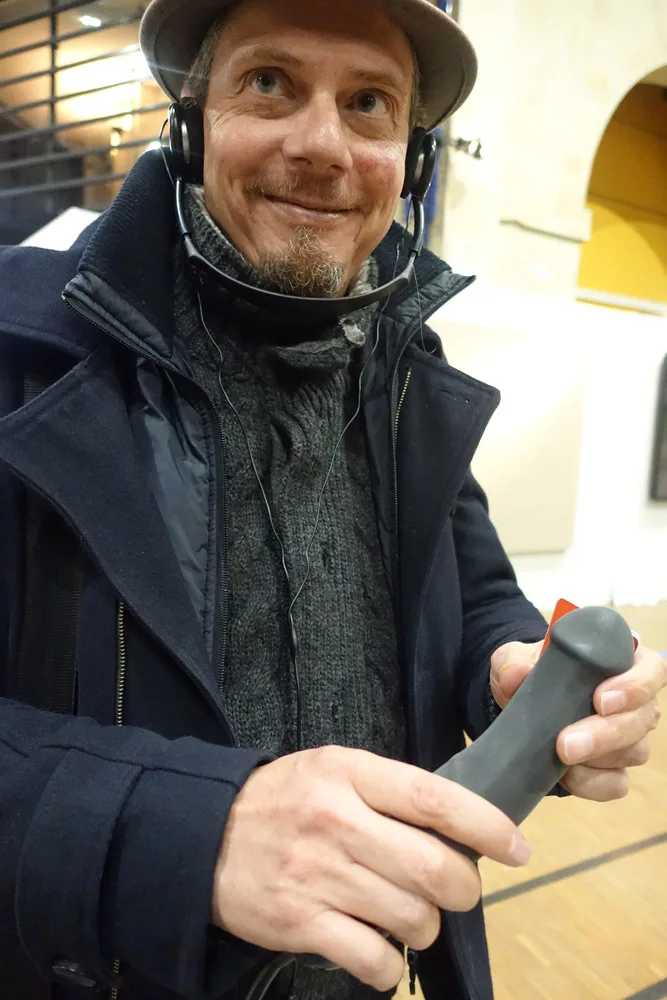
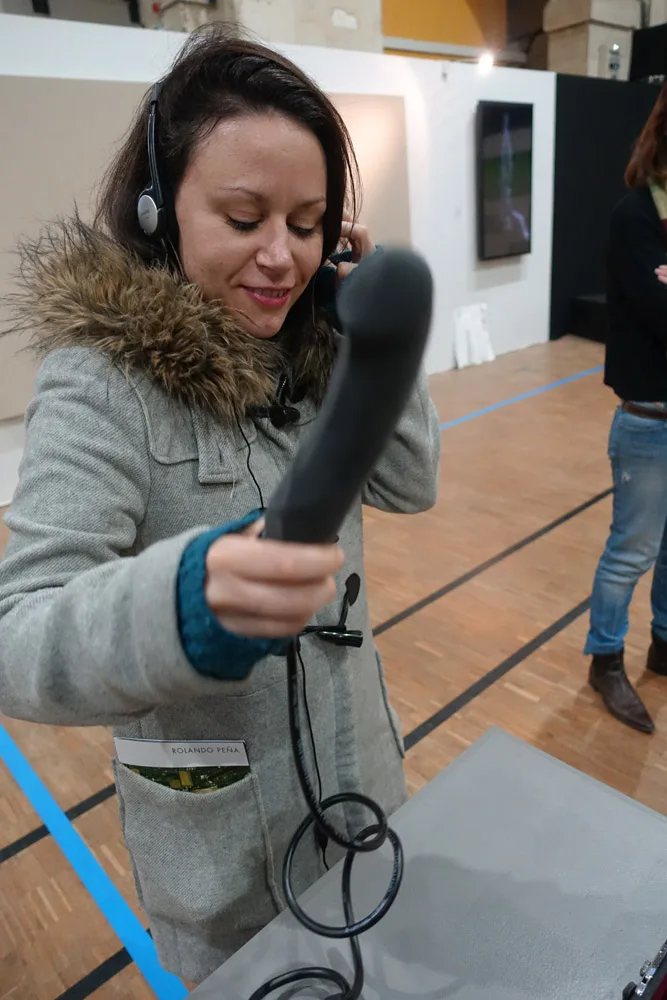
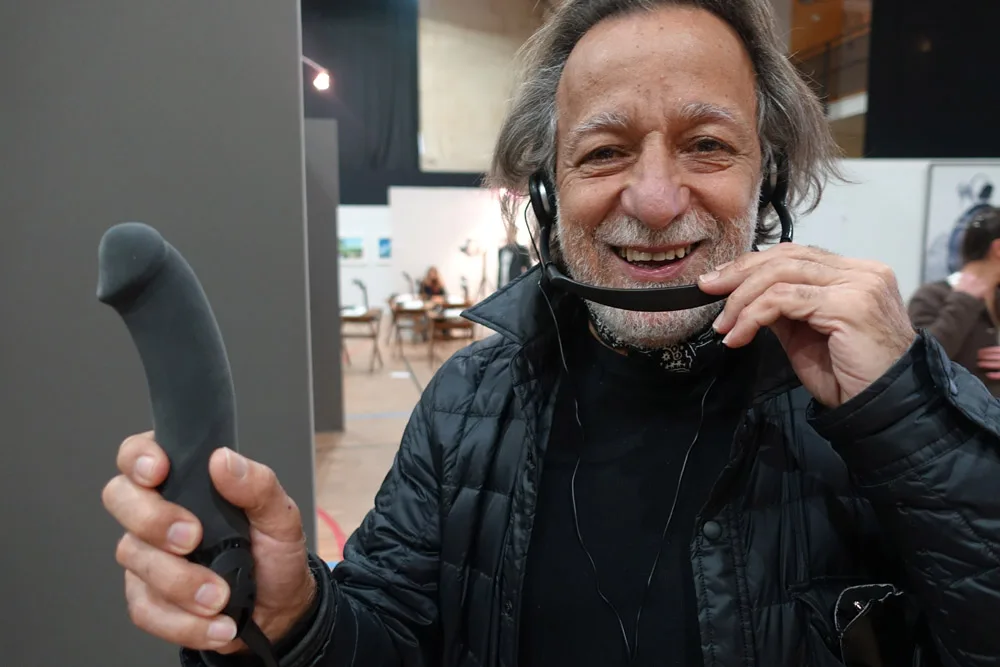
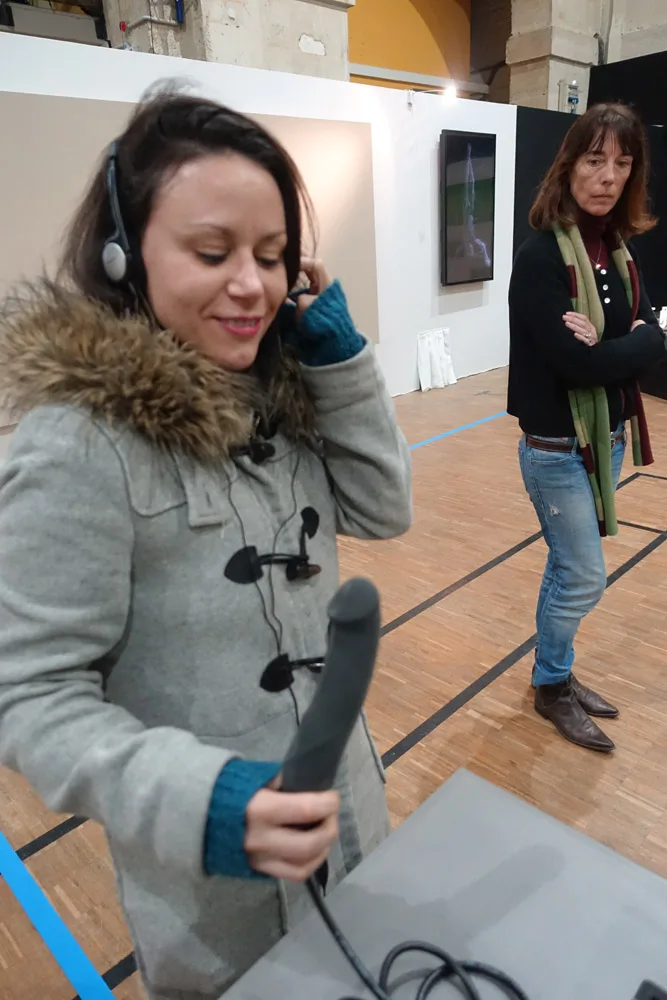
Onstage, a woman or a man, naked, is working with the enthusiasm that gives extreme pleasure tinged with desperation, to make the most of a dildo changed. Item spring wires which suggest that the vibration it produces is immediately reflected in height and intensity of sound that accompanies the actions and progress of the subject.
The voice of the latter, hesitating between the singer close to ecstasy and tenor touching the goal, mingles with the instrumental sounds, powerful and confusing, the dildo in action.
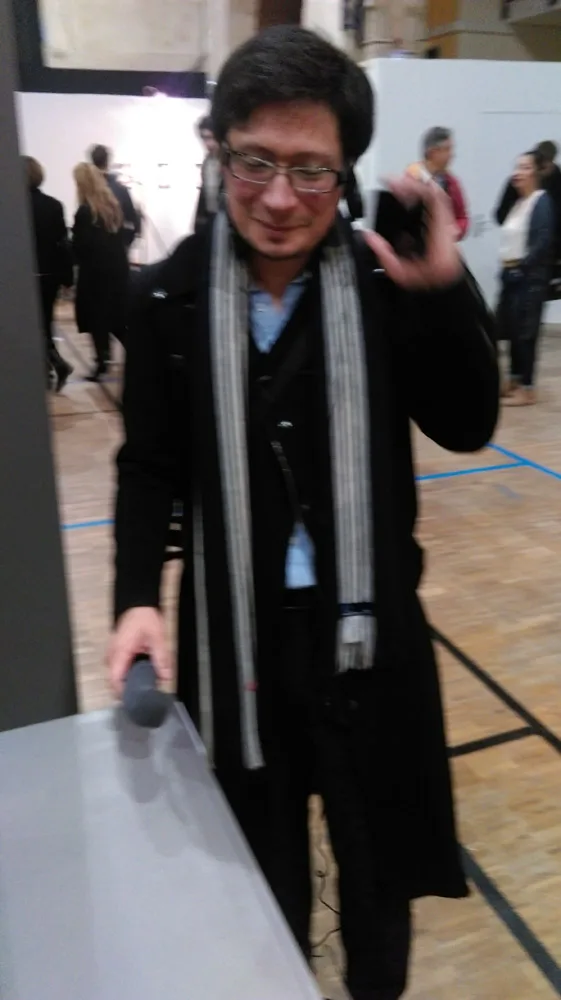
Dildomatic Opera
Instrument de musique: Godemichet, circuit bending
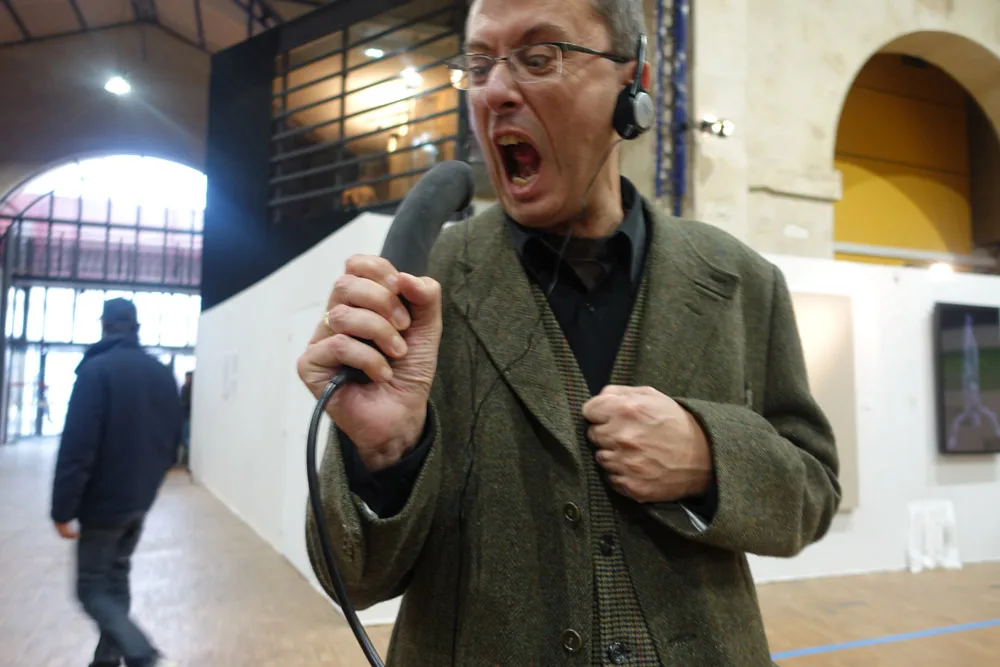
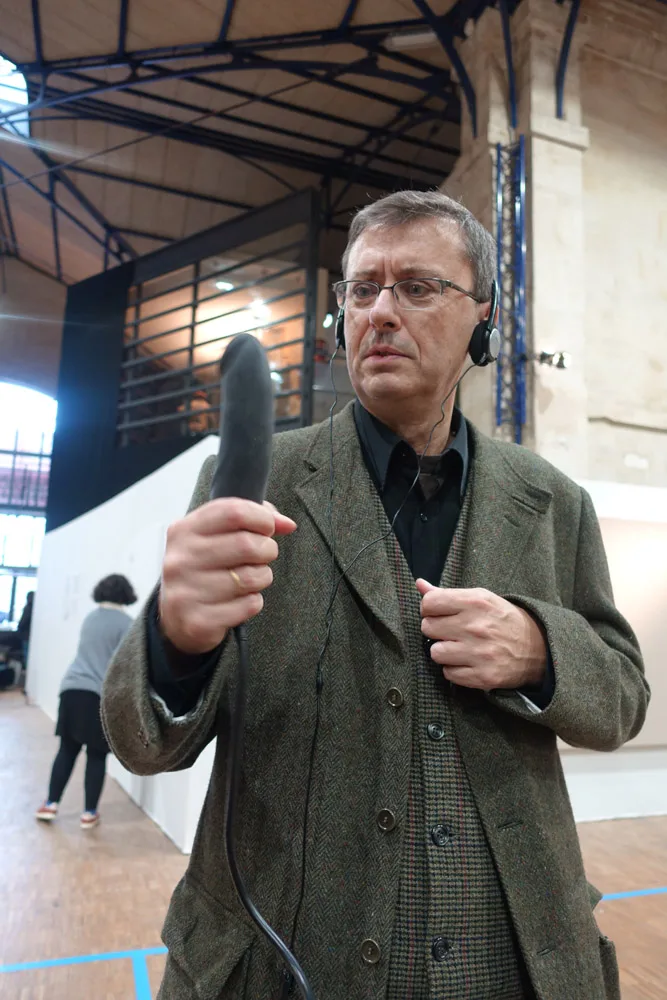
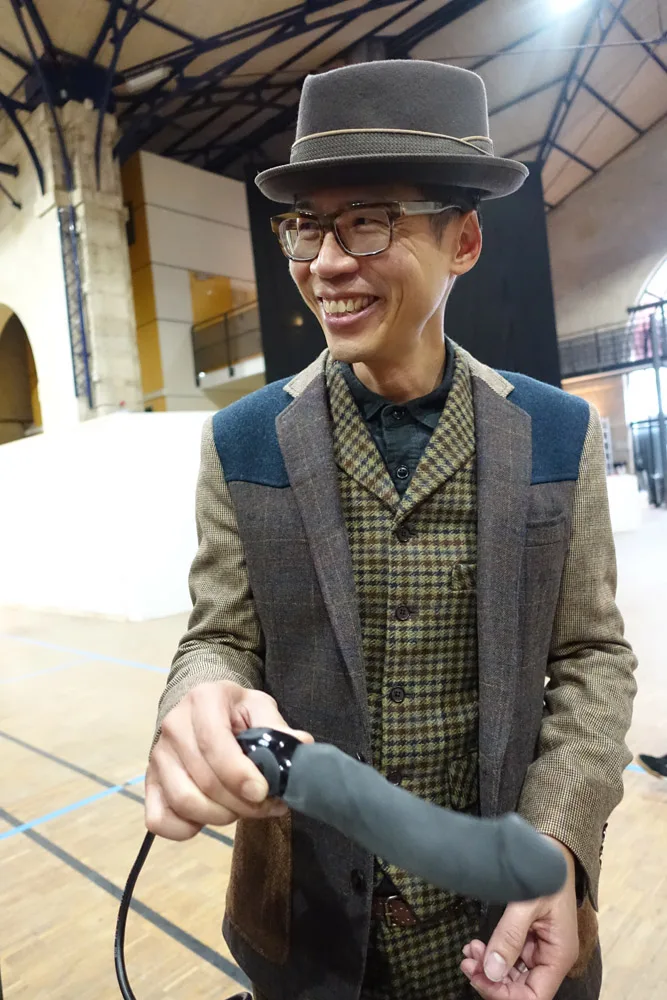
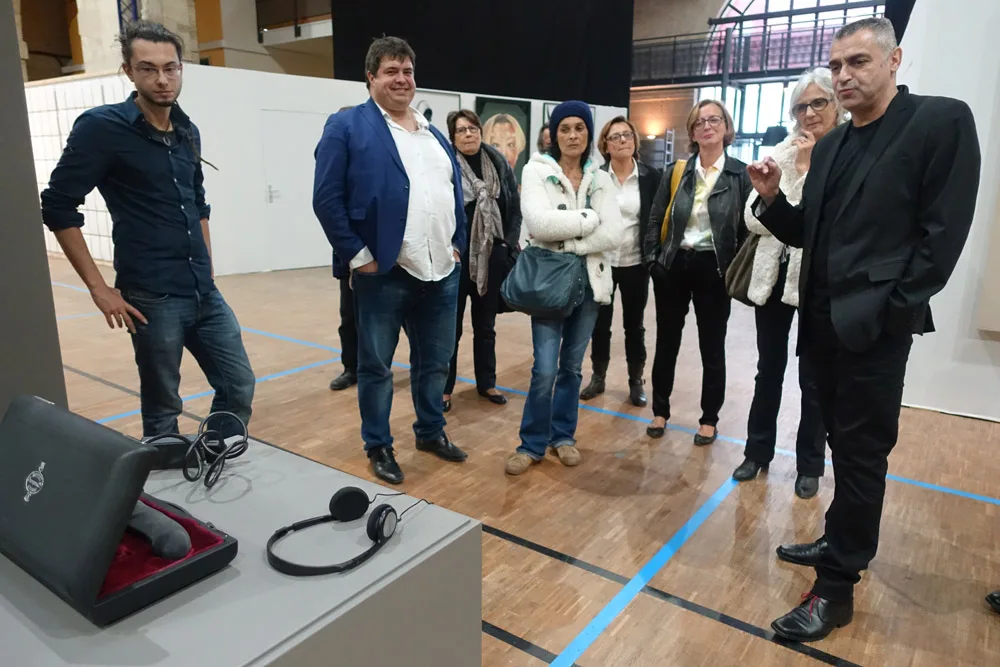
On the surface of things, this might not appear to be a very appealing invitation. While rooting around and scavenging the neglected and ruinous environment of Benayoun’s Dump, you run the risk of being sullied by the digital detritus of this irreverent artist. What might it mean to dwell in the dumpy blog of someone’s unrealized projects? Are you keen to take on the viral affect of its mechanical emotions? Do you dig being positioned as the butt of an artistic joke? Do you desire to spend hours in archeological poking and prodding of MoBen’s layers of unrealized thought to be left only with the digital dig of its irony, at best, or the merely enticing promise of Mo(re) Ben(ayoun) at worst.
If you dig looking for MoBen, you could also share the labor of others preceding you who have taken on indirect responsibility for the academic delivery of his Dump. For this playful project linking creative blog to artistic bog even assumed the guise of MoBen’s impertinent response to academic work. It personifies MoBen’s approach to the scholarly “dig,” in one sense of the term listed in the Oxford English Dictionary (OED): “a plodding and laborious student.” If you really want to dig it then, to work hard and laboriously on a scholastic project, you certainly could accept the invitation of Dump Project 188, “Écrire une thèse.” But, luckily, this is one project that no longer requires adoption since the thesis itself has already been realized and defended, no doubt much to the satisfaction of its bemused professors who are likely satisfied now to have no MoBen.
Yet, behind the punning irreverence sustaining the Dump lays the exceptional intellectual promise of its titular machinery. It is a profoundly rich assemblage of digital proposals that performs the very materiality of digital culture. Users of this Dump are confronted with the opportunity, as the OED would have it, to “burrow in,” to dig in the Dump in order to “advance or progress” thought by literally “removing or pushing aside material.” Or as MoBen puts it, “others can dig in and extract from the Dump in order to apply the same concepts to their own projects; or, accelerate the process of decomposition of unwanted items.” Most important is how the Dump dialogues with Benayoun’s own creative projects to recycle digital culture as something of a fertile resting ground of progressive thought and affective response. For players in the Dump must indeed Dig it; they must literally employ the digit to dig through layers of algorithmic imagery and interface in order to reveal and revel in digitality’s epistemological and political promise.
Digging has been at forefront of Benayoun’s work ever since he moved from the perspectival play of “Is God Flat” and “Is the Devil Curved” to the enfolded 3-D environment of “The Tunnel under the Atlantic.” The Tunnel confronted visitors to the Centre Pompidou and the Museum of Contemporary Art of Montreal in 1995 with the screenic surface of a large tube through which they could literally dig through digital imagery of the history of their respective cultures. Visitors were presented with the opportunity to alter the shape and texture of the tunnel by digging with their digits through pictorial scenery on the screen. Here the thrill of inhabiting time and space interfaced with the creativity of the dig. “If we let ourselves enjoy the tantalizing immediate feeling of euphorical capacity of digging at high speed,” suggests Benayoun, “we do not come across the same iconographic elements carefully and curiously.” High speed digging through the Tunnel entailed a novel practice of ciné-écriture by which the archeologues of the screen stretched and pulled imagery whose cultural curiosity determined the very editing of the picture in relation to the temporality of the moves of their digits and their own place in physical space. This inventive opportunity not only to inhabit but also to penetrate and to write the surface of the screen freed users from the physical constraints of one museum space as they reveled in the sound of the voices of their fellow cultural laborers who were digging on the other side of the Atlantic wonderland. Digging thus catalyzed a force-field of physical, visual, and acoustic affect as visitors labored to join their virtual collaborators who, after six days of tapping, scratching, dragging, and clawing, penetrated the fourth wall of visual data to join via telepresence their international others in both sound and vision.
But digging for the wonder of revelation, for the realization of the virtual philosopher’s stone, does not actually sync with MoBen’s artistic conceit. Nor can we understand the performance of MoBen’s virtual dig by shifting our attention from stone to capital. It doesn’t resemble anything like, say, the philosopher-economist Adam Smith’s “invisible hand”. This is the invisibly guiding hand with which the beneficent industrialist promotes the common good of the digital frontier to and for those whose personal data and purchasing power will sustain and benefit the system that envelops and exploits them. In contrast, the Dump confronts us with the divergent 2010 project, “Invisible Hand,” for which MoBen proposes the creation of a holographic hand extending the “profound generosity” of the digital digit. Rather than extending an open hand to the descendants of Smith’s invisible economic network, which can claim responsibility for the “digital divide” and its powerful divisions of wealth and access, MoBen proposes to return to it a “visible hand,” one that boldly sports the performative gift of the middle digit. By thus “giving the finger” to the corporate system of invisible beneficence, this very defiant dig/it calls on the virtual community to take the Dump to a different level, to think the activity of digging otherwise in a way that might subtract itself from the very symbolic network sustaining it.
On a very basic level this could entail accepting MoBen’s 2008 challenge to “Vider le grenier.” Rather than operating on the principle of economic return for which Jean-François Lyotard critiques the corporate drive of technoculture, MoBen here recommends acceptance of loss as constitutive of the creative process itself. In freeing the ill-conceived, unachieved or under-financed project from the shackles of private ownership or personal mourning, MoBen recommends releasing projects to the imaginative ether, thus opening the possibility of feeding the imagination of others with the mnemonic pixy dust of the attic.
This rather altruistic gesture of The Dump takes on a poignantly political cast in two other projects. Pickers looking through The Dump in 2008 came across not only “Vider le grenier” but also “Changer le monde” (2008). The latter phantasical sketch asks whether it’s possible to launch an artistic project that might indeed change the world. This project would interrogate the potential of “hacktivism” and recyclings of the attic to result in purposeful gestures that might otherwise be derivise. “Changer le monde” bears something of a reflexive charge to track in MoBen’s environment the testimonies of what will have been modified by his practice and that of his diggers. Perhaps one result of this 2008 query is the very “Invisible Hand” of 2010 that inserts itself rudely into the sutured flow of global media. Yet, another project of 2008, “LAB-IP,” suggests that MoBen has something in mind that is much more revolutionary than merely flipping off the ideologies and value systems of the past. The LABoratoire d’Innovation Politique would enliven the desire to think the world, to imagine a future that would be more than a mere caricature of the present. It would provide a space for a future to be imagined by those otherwise petrified by the repetition of long nights and restless days. Jubilance would join vigilance, and imagination would encounter responsibility to thus think the world otherwise.
What might happen in “LAB-IP” can be envisioned by a look back to MoBen’s own hacktivist projects that, like “Invisible Hand,” subtract themselves imaginatively from the symbolic networks sustaining them. One of my favorites, “World Skin, a Photo Safari in the Land of War” (1998), might appear at first glance to capitalize on the ludic thrill of the virtual caves and 3-D gaming that captivated the fascination of digi hipsters in the 1990s. Visitors to this cave environment find themselves immersed in a scenario of war. They are offered supplemental perspectival access to the bloody scenarios through the viewfinders of cameras suspended in front of them. Although the cameras work to stabilize the enigmatic diorama of conflict, they actually enact a blanking out or subtraction of the framed space on the screen. Each click results in a visual evacuation or white out. While the clickers might initially think themselves to be engaged in the traditional voyeuristic process of shooting pictures, they quickly assume more creative postures as diggers. Their shooting activates a new sort of digging through which pictures are literally taken away to leave an empty space for reassemblage. Promoted here is not the recognition of the familiar, say the trauma of war or the melancholy of loss. Rather something else happens in the blank shapes of the immersive visual dump. As the blank takes place, it catalyzes a new theatrical event of click and clack, not simply the sounds of visual dumping but also the relay of the digital network itself. The images subtracted from the wholeness of memory are relayed to a digital printer for their liberation from the scene of original trauma. It’s as if the dusty attic of war proffers a second chance for imaginative recirculation. In one installation in New York, the printer even was far off-site where the digital desiring machine spit out images whose subtractions entailed mysterious additions. While MoBen suggests that the door of “World Skin” “remains open to a certain kind of forgetting,” I tend to think that the digital dig of “World Skin” catalyzes a certain kind of thinking, thinking the conjunction of old and new media, photographic body and numerical skin, trauma and reflection, shooting and digging.
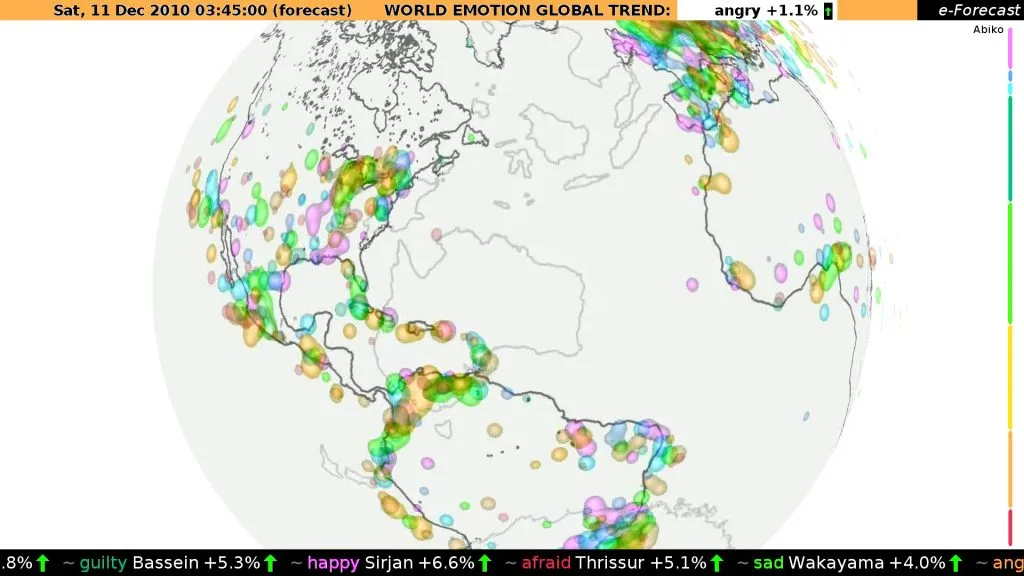
What’s particularly insistent throughout the Dump is how its procedures of networked blogging mirror MoBen’s installation projects in revitalizing the psycho-political touch, le toucher, of the artistic interface. Data mining meets emotional mechanics in sensitizing the participant to the pry open the web, as if constantly trying to expand the reach of that initial Atlantic tunnel. “Still Moving, The Mechanics of Emotions” (2008) materializes the virtual digging of the Tunnel in the form of a colossal sculpture whose interactive touch produces infrasonic music composed from digital data coming from more than 3,000 of the largest cities in the world. Presented as a deflated globe, it’s not a cartographic map whose relief is to be dug away, but, rather, a sonic and graphic field of world emotions sculpted from internet data and interfaced with the flaccid, globular surface. In somewhat of a reversal of some of Benayoun’s other pieces, touch here adds information rather than scraping it away. But added this time is the visualization of subtraction itself, subtraction as it has been appropriated and adapted by the very symbolic forces of capital that receive the invisible finger from MoBen. Although the speedy flow of internet data might appear to shrink the world (“Is the Network Flat?”), “Still Moving” exemplifies the selective layering of the network’s Anglophile and capital-centric vibrations. In asking “which representation of the world can we obtain through the network,” MoBen stages the Mechanics of Emotions to reconnect touch, “le toucher,” to the silent subtractions of the digital divide whose voices might be silenced but whose emotive vibrations drive the desiring machines of MoBen’s virtual dig.
The result takes the Dump and its author’s installation to a different level of dig/itality. The touch, “le toucher,” as physical and emotive contact enlivens and is reenlivened by the pulsating aesthetic field of Benayoun’s projects. While he wants me to hear the faint emotive rhythms of those silenced by the power network of global telecommunication, I also hear in his work not simply “le toucher” but the activating energy of the Dump’s psycho-political force field. Perhaps something more like what Jean-Luc Nancy describes as “le toucher à.” Art touches, Nancy writes in Les Muses (1994, when MoBen was wondering “Is God Flat?”)
à l’integration vivante du sensible – mais cette fois, il faut entendre ‘toucher à’ au sense d’ébranler, d’inquiéter, de déstabiliser ou de déconstruire. L’art touché de cette manière à ce qui, de soi, naturellement, établit l’unité synthétique et la continuité d’un monde de la vie et de l’activité. Ce dernier n’est pas tant, en dernière analyse, un monde sensible qu’un monde intelligible de repères, de finalités et de transitivités, et moins un monde peut-être qu’en dernière analyse un milieu [un Dump?], un Umvelt (celui du ‘1% d’informations’). L’art y découpe ou y force le moment du monde comme tel, l’être-monde du monde, non pas comme un milieu où se meut un sujet, mais comme extériorité et exposition d’un être-au-monde.[i]
It is in the sense of “toucher à” that I would like to take the Dump “comme extériorité et exposition d’un être-au-monde.”
Indeed, I would like to take it one invisible digit further by asking how the Dump might combine the frisson of silence to place in relief, in exhibition, “un être-au-monde.” What better response than a silent project in the Dump, “Red Light Spotters.” At the top of Mori Tower in Tokyo, the symbol of the resurgence of Japan as a global source of networked technopower, MoBen found himself wondering with Philippe Codognet what might be emoting from the whisperings of red light spread like a tapestry far below in the night darkened city. MoBen asks whether with enough attention, Red Light Spotters (RLS) might not transmit the silent vibrations of the city. Robotic cameras attached to the Tower’s panoramic windows could scan the city to create a tapestry of sound of what lies vibrantly below. Now the camera itself becomes a digger, a mechanized whisperer of the global network of wired souls. RLS touchent à.
Can you dig/it?
[i] Jean-Luc Nancy, Les Muses (Paris: Galilée, 1994), 36-37.
]]>

Two years before the turn of the century, a committee chaired by Jean-Jacques Aillagon, at the time director of the Centre Pompidou, was entrusted with the task of defining the ceremonies to celebrate the millennium. Oddly enough, I was invited to contribute ideas.
The proposals I came up with, apparently totally out of step with the implicit expectations of the sponsors, were systematically rejected. My first project, notably, had the effect of leaving everyone present speechless. Taking into consideration the fact that the event would be witnessed and celebrated by the whole planet, it seemed to me essential to send out a clear signal to humanity, always sensitive to the image of the Age of Enlightenment, the Revolution and Human Rights, that are so often associated with the French republic. It would certainly not be enough just to let off fireworks, of doubtful symbolism, and organise other celebrations, which would be too weak a message concerning the vision we have of the immediate future.
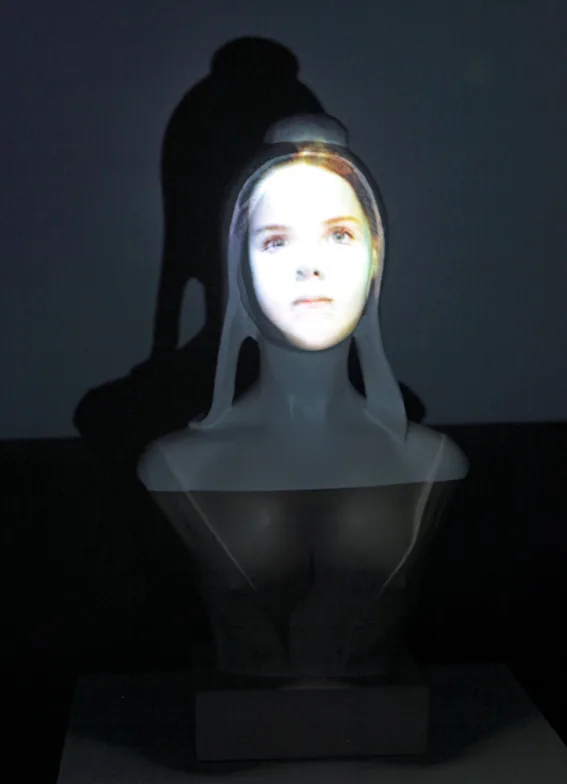
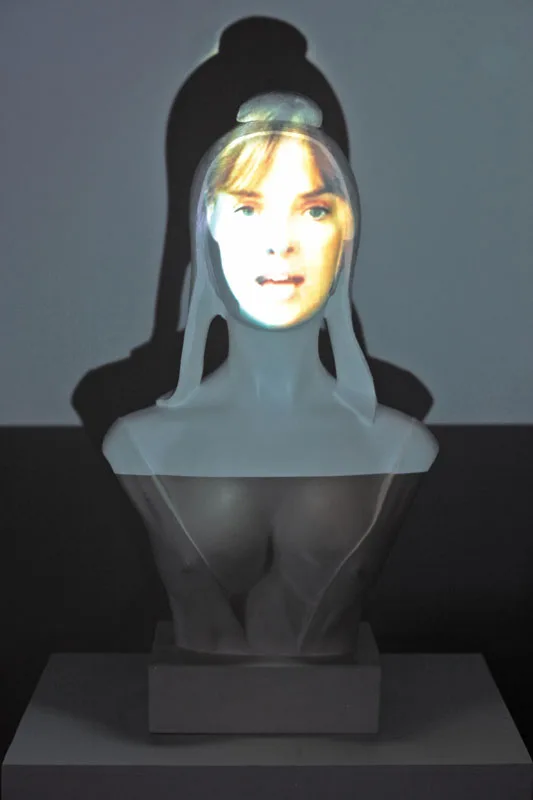
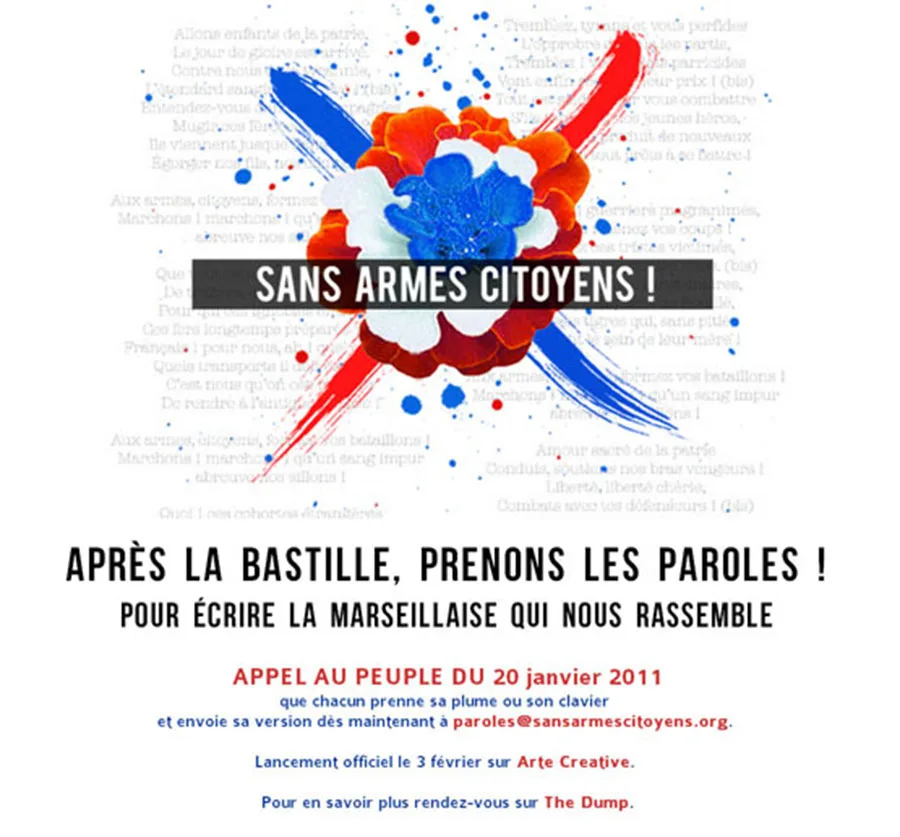
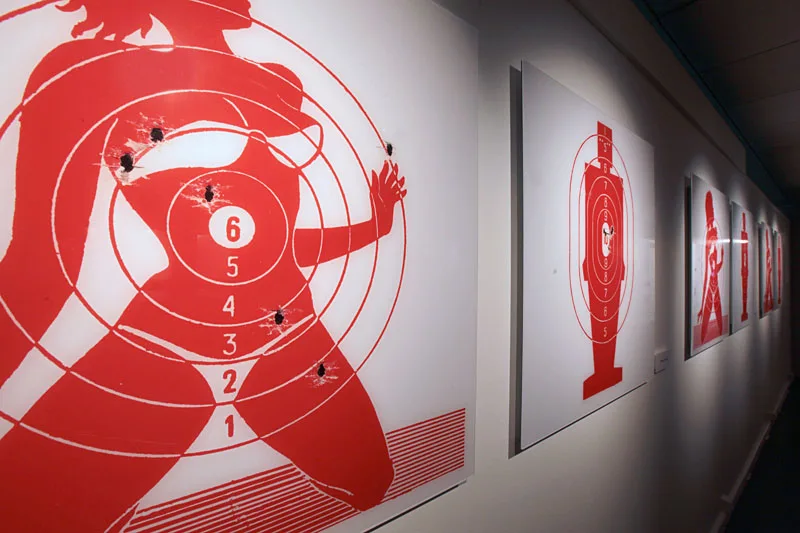
Sans Armes Citoyens
Appel à réécrire l’hymne national