ART TRAP
written : 21 octobre 2006 the original project in english
Cââ¬â¢est un projet que jââ¬â¢ai conçu alors que je travaillais sur Art Impact pour le centre Pompidou en 2000. Le renversement qui sââ¬â¢est opéré dans lââ¬â¢attitude de lââ¬â¢institution lorsquââ¬â¢un sponsor a proposé de cofinancer le travail était assez spectaculaire. Nous sommes passés dââ¬â¢une commande dââ¬â¢Ã âuvre et dââ¬â¢exposition ââ¬âet jââ¬â¢en remercie au passage Daniel Soutif qui passant outre les obstacles, a rendu la chose possible-, malheureusement sous financée, comme il se doit, àune location dââ¬â¢espace. Ce revirement dââ¬â¢attitude, non de la part de Daniel Soutif mais de gestionnaires du Centre, était suffisamment spectaculaire et intriguant pour que je me propose dââ¬â¢en faire un dispositif spécifique. ART TRAP était né, resté àlââ¬â¢Ã©tat de concept je présume quââ¬â¢il a sa place ici, dans le purgatoire des projets.
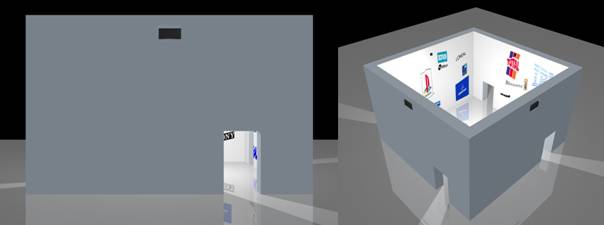
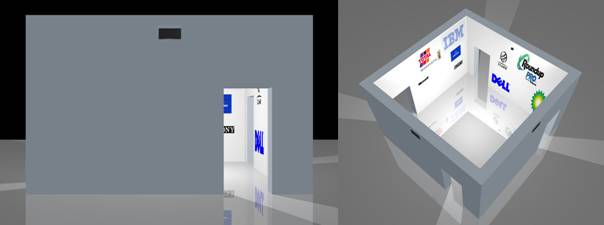
Art Trap (littéralement ë le piège àart û) est fondé sur lââ¬â¢idée que lââ¬â¢Ã©conomie des institutions artistiques est un permanent compromis avec les financeurs. Certains diront que cââ¬â¢est toute lââ¬â¢histoire de lââ¬â¢art qui est logée àcette enseigne. Je propose donc de prendre possession dââ¬â¢un espace dââ¬â¢une surface minimum de 16mò dans un musée. Je dis bien ë un musée û et non une galerie. Cââ¬â¢est cet espace dédié àlââ¬â¢art dans sa version la plus institutionnalisée qui mââ¬â¢intéresse ici. Je construis 4 murs qui délimitent un espace clos sans plafond. Au milieu de chaque mur une ouverture de porte sans porte. Au dessus de la porte un projecteur tourné vers lââ¬â¢intérieur. En ligne, proposition àqui le souhaite, dââ¬â¢acquérir cet espace de visibilité. Chaque volontaire/mécène investit la somme quââ¬â¢il souhaite et il obtient la visibilité proportionnelle àlââ¬â¢ensemble des engagements en ligne ; Le premier voit donc son logo, son nom, son image de marque, aussi occupant la totalité du mur en face du premier projecteur. Dès que le second arrive pour un montant égal chacun nââ¬â¢occupe plus que la moitié de lââ¬â¢espace et ainsi de suite. Lorsque le nombre de ë mécènes û devient significatif, je viens avec plâtre et truelle, réduire la taille des ouvertures pour augmenter la surface ë louable û. Après un temps, les 4 portes ne laisseraient passer quââ¬â¢un visiteur de la taille dââ¬â¢un chat. Et la visibilité tant réclamée se réduirait aux cameras de surveillance qui rendent compte, en noir et blanc et en ligne, de la présence effective des ë mécènes û et de leur logo.
Lââ¬â¢argent ainsi obtenu, après déduction des frais et taxes, serait partagé entre le musée loueur de lââ¬â¢espace et lââ¬â¢artiste qui pourra, sur le relevé bancaire en ligne, rendre compte de lââ¬â¢usage fait de cet argent, dépenses de survie ou de plaisir. Un écran àlââ¬â¢extérieur de la boite pourrait diffuser en temps réel lââ¬â¢Ã©tat du compte : dépenses et paiement des mensualités.
It is a project I conceived when working on Art Impact for Beaubourg in 2000. The turnover operated in the attitude of the institution when a sponsor proposed to co-finance the work, was quite spectacular. We shifted from the ordering of an artwork and exhibition to a location renting (unfortunately under-financed, as usual) ââ¬â and I thank, by the way, Daniel Soutif who, going over obstacles, made the thing possible. This sudden turn, not in Daniel Soutifââ¬â¢s attitude, but in the centreââ¬â¢s administratorââ¬â¢s attitude, was sufficiently spectacular and scheming so that I propose making out of it a special device.
Art Trap was born, left in the state of concept; I presume it has its place here, in the projectââ¬â¢s purgatory.
Art Trap is funded on the idea that the artistic institutionââ¬â¢s economy is a permanent compromise with the financiers. Some will say the whole art history is in the same boat. I, therefore propose to take possession of a location of minimum surface of 16m2, in a museum. A museum, I insist, not a gallery; it is the area dedicated in art in its most institutionalised version that interest me here. So I build four walls without ceiling above. In the middle of each wall, an opening without door. Above the opening, a projector turned inside. Online, a proposition to buy the space of visibility. Each volunteer/patron invests the desired amount of money and obtains the proportional visibility according to online engagements. The first one sees his logo, name, tag, brand on the wall facing the projector. As soon as the second one comes in for the same amount of money, each one fills only half of the space, and on and on.
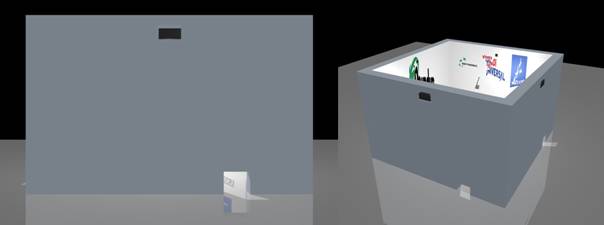 When the number of ë patrons û becomes significant, with plaster and trowel, I reduce the openings sizes to increase the ë renting û surface. After some time, the four doors will only leave a cat size visitor in. And the so told and requested visibility would be reduced to electronic surveillance that report, online and black and white, the effective presence of the patrons with their logos.
The gained money, after deduction of charges, would be shared between the museum, renting the location, and the artist that will be able to, on a fix bank account, report the way the money is used, survival or pleasure expenses. A screen, outside the box, would transmit in real time, the state of the bank account: expenses, bills.
When the number of ë patrons û becomes significant, with plaster and trowel, I reduce the openings sizes to increase the ë renting û surface. After some time, the four doors will only leave a cat size visitor in. And the so told and requested visibility would be reduced to electronic surveillance that report, online and black and white, the effective presence of the patrons with their logos.
The gained money, after deduction of charges, would be shared between the museum, renting the location, and the artist that will be able to, on a fix bank account, report the way the money is used, survival or pleasure expenses. A screen, outside the box, would transmit in real time, the state of the bank account: expenses, bills.