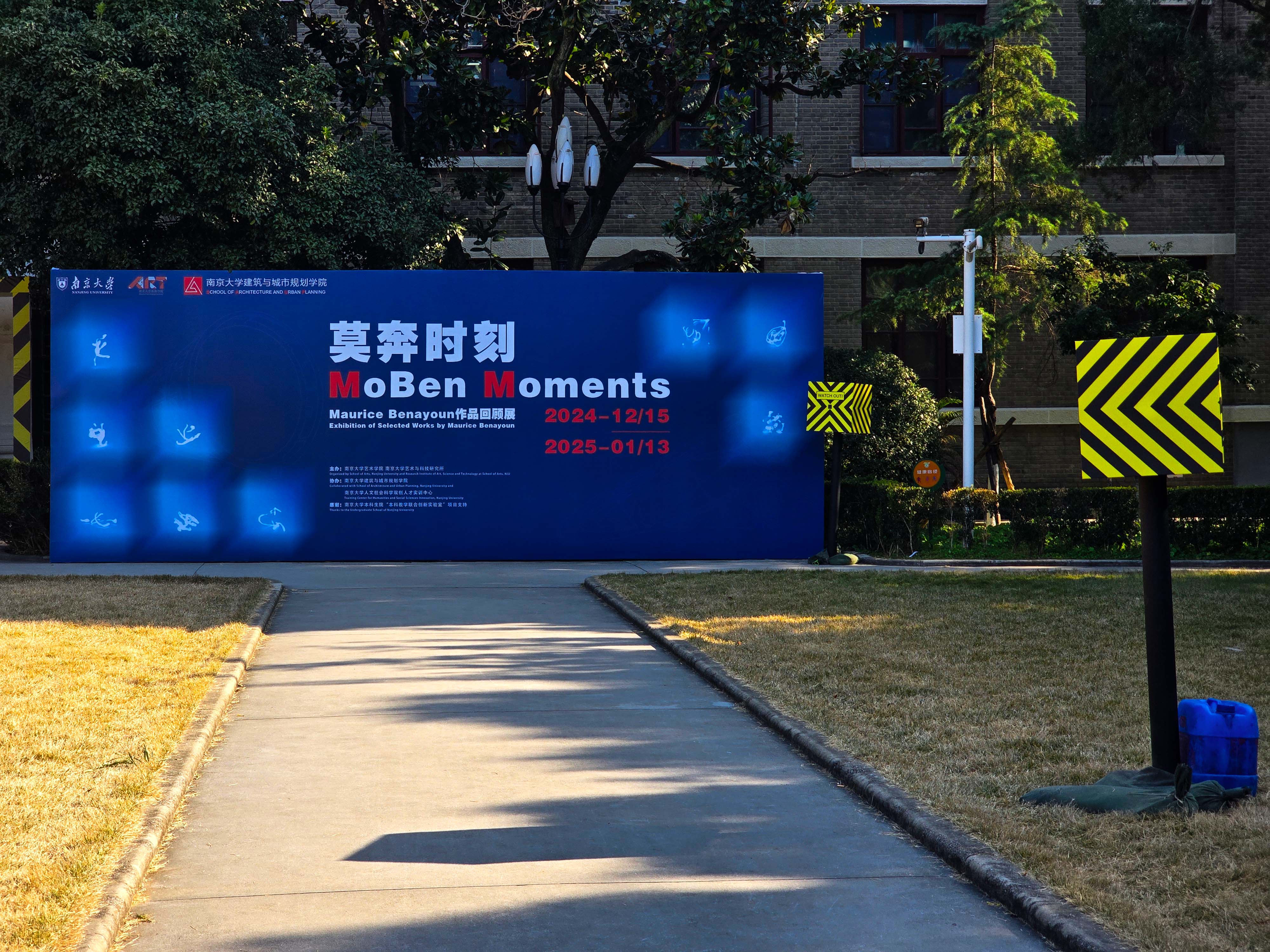
MoBen Moments: A Retrospective Exhibition
Intro
AI deepens humanity’s understanding of its bond with intelligence, urging a return to technology’s roots to explore human-machine relations: How do humans exist? How does a creator make another? Now is the ideal time to grasp Moben and new media art.
Maurice Benayoun, a leading new media artist, has spent 30 years merging art with new media/technology. His works pose pivotal questions—on human existence, expression via media—spanning VR to blockchain, exploring perception and expression. His “carbon-based intelligence” offers key insights into new media art.
The exhibition features key works: 1995’s The Quarxs (the first VR installation), Is God Flat?, the iconic The Tunnel under the Atlantic, Just Dig It!, and the recent Value of Values. Each is true to its essence but reimagined for today.” (exhibition leaflet)
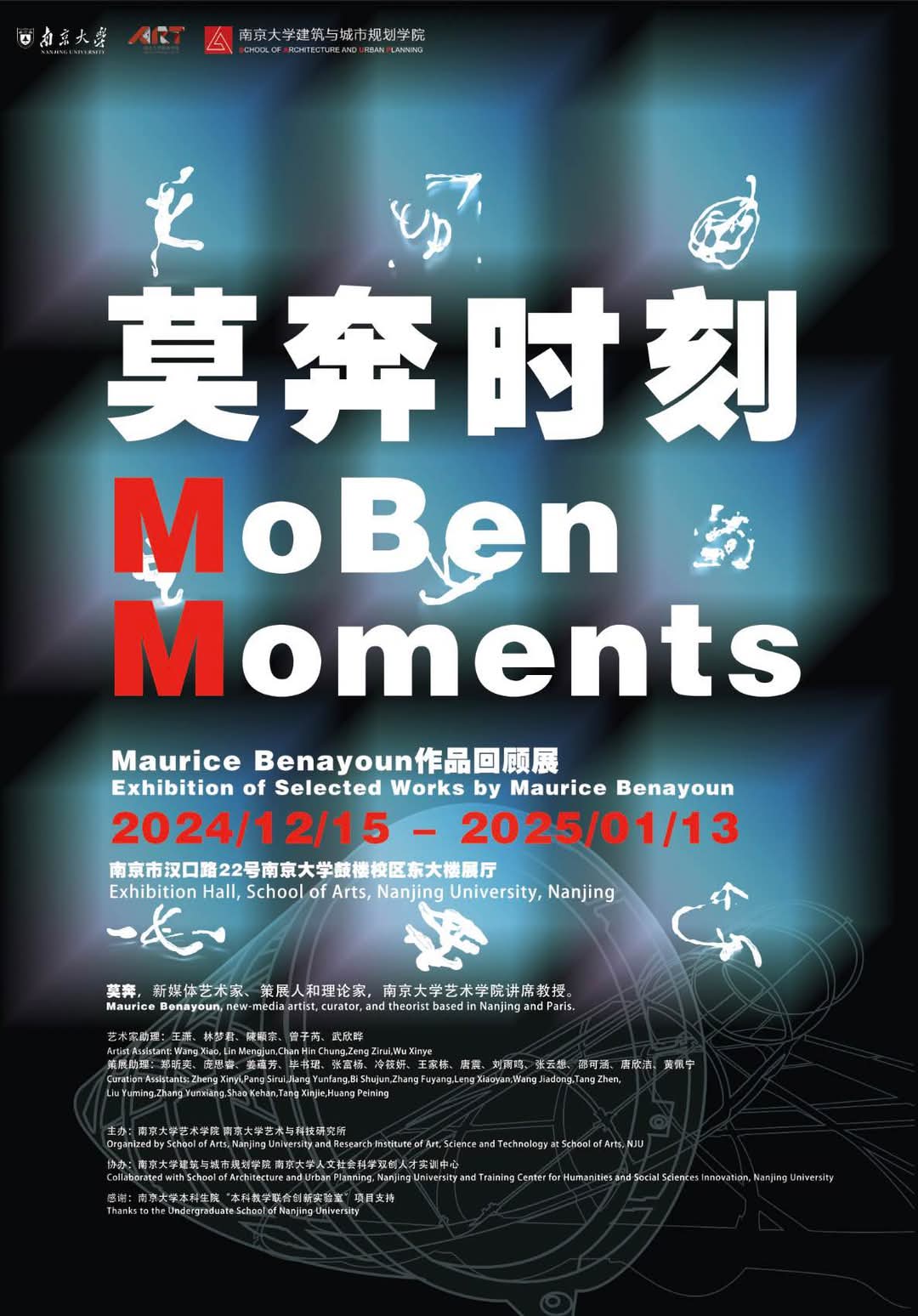
Time: December 15, 2024 – January 13, 2025 10:00 a.m. – 6:00 p.m
Location: Art Museum of Nanjing University School of Arts (No. 22 Hankou Road, Nanjing, East Building, Gulou Campus, Nanjing University)
Video trailer
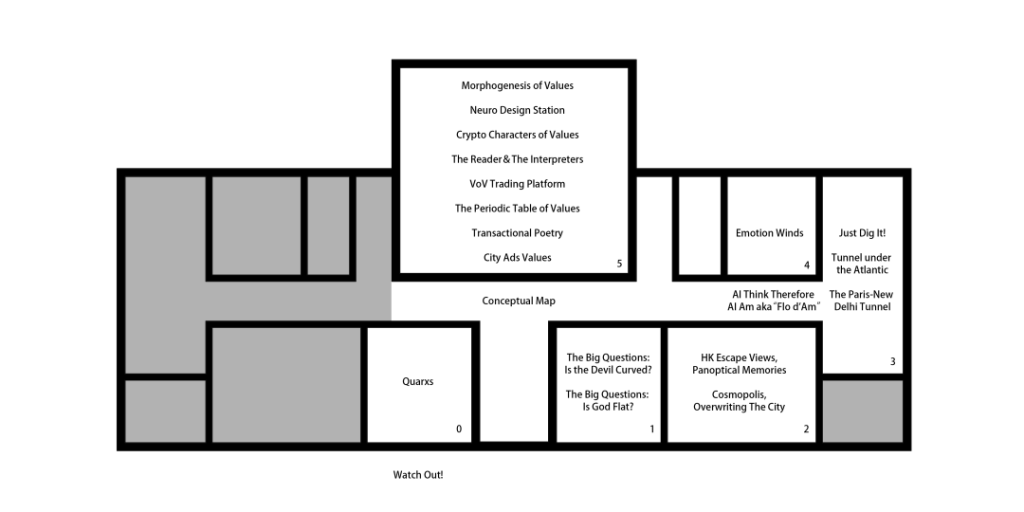
Layout plan of the Exhibition Hall
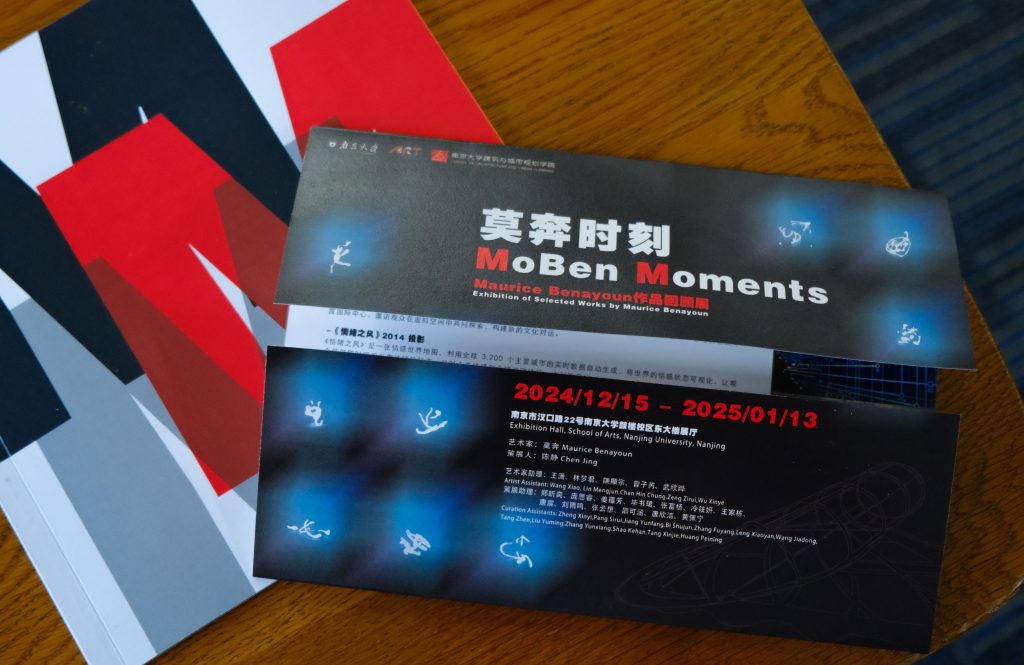
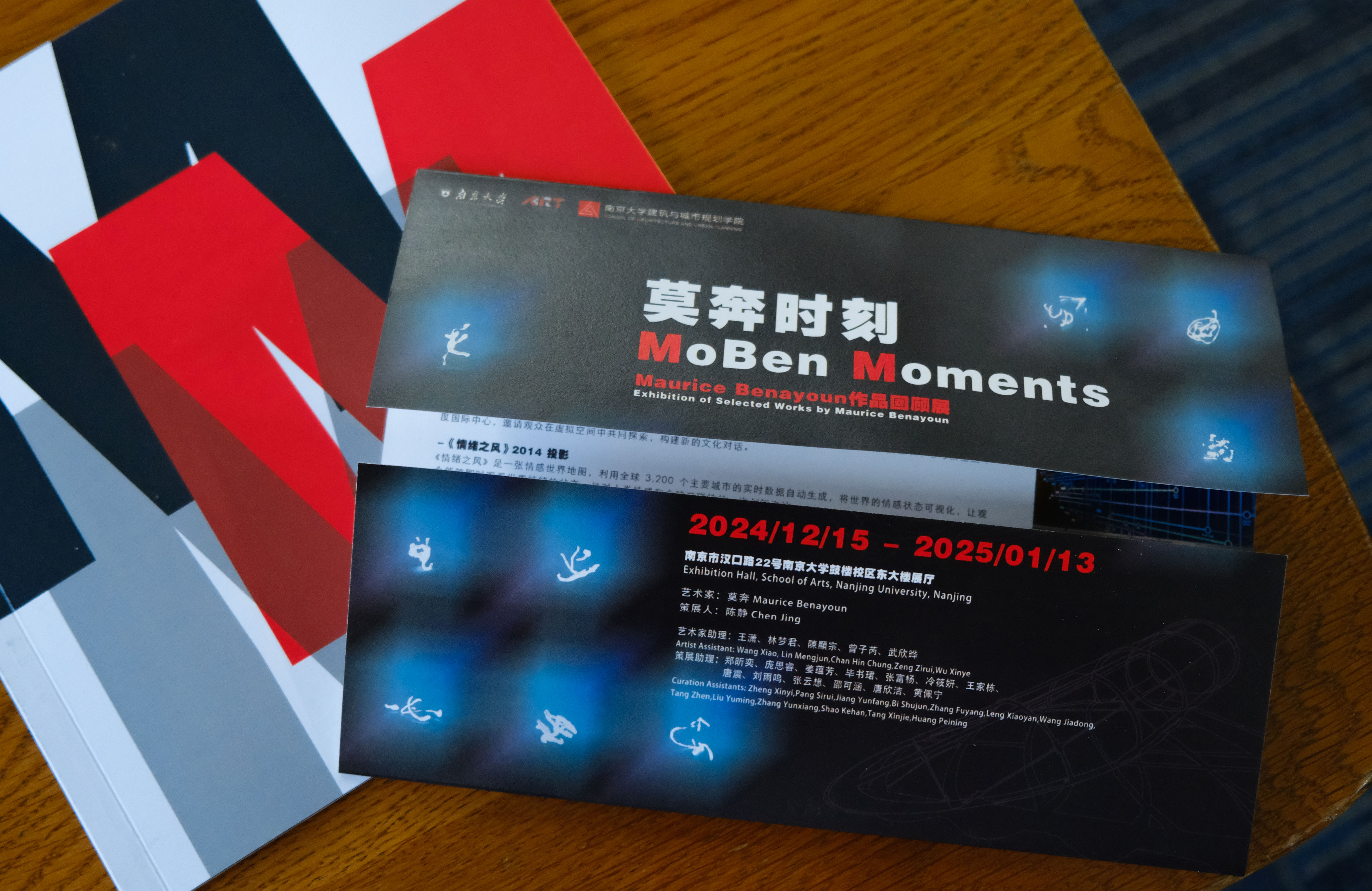
Exhibition Leaflet
Exhibited Works
01 Watch Out! 2002-2004, urban installation, Internet, surveillance cameras
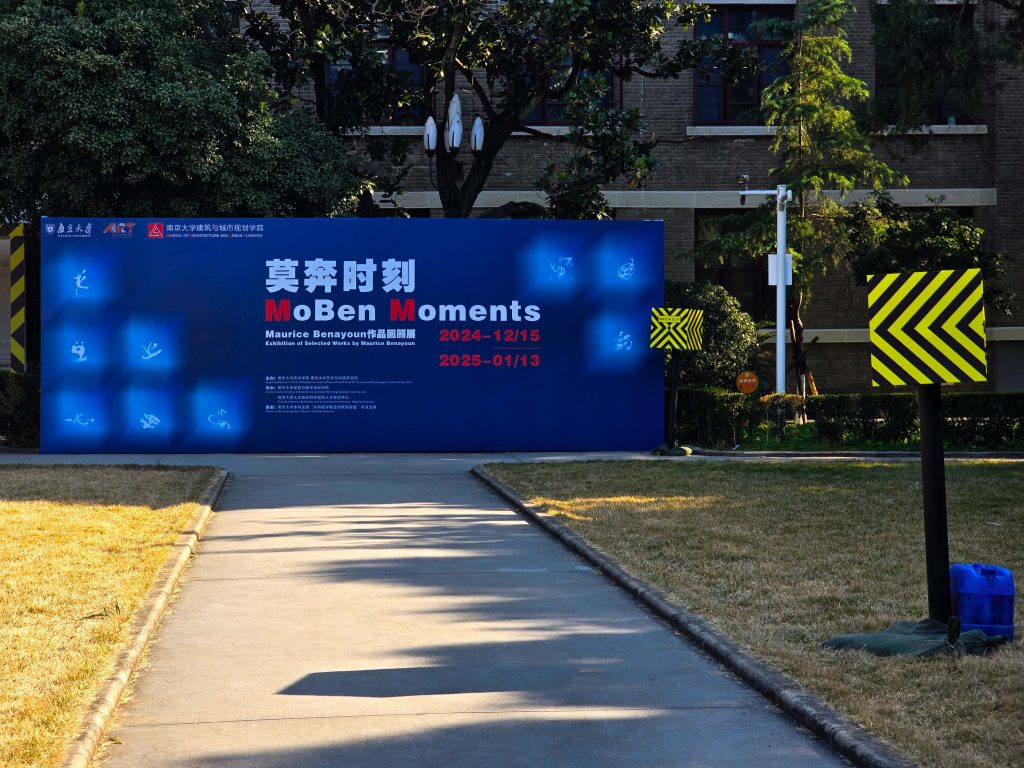
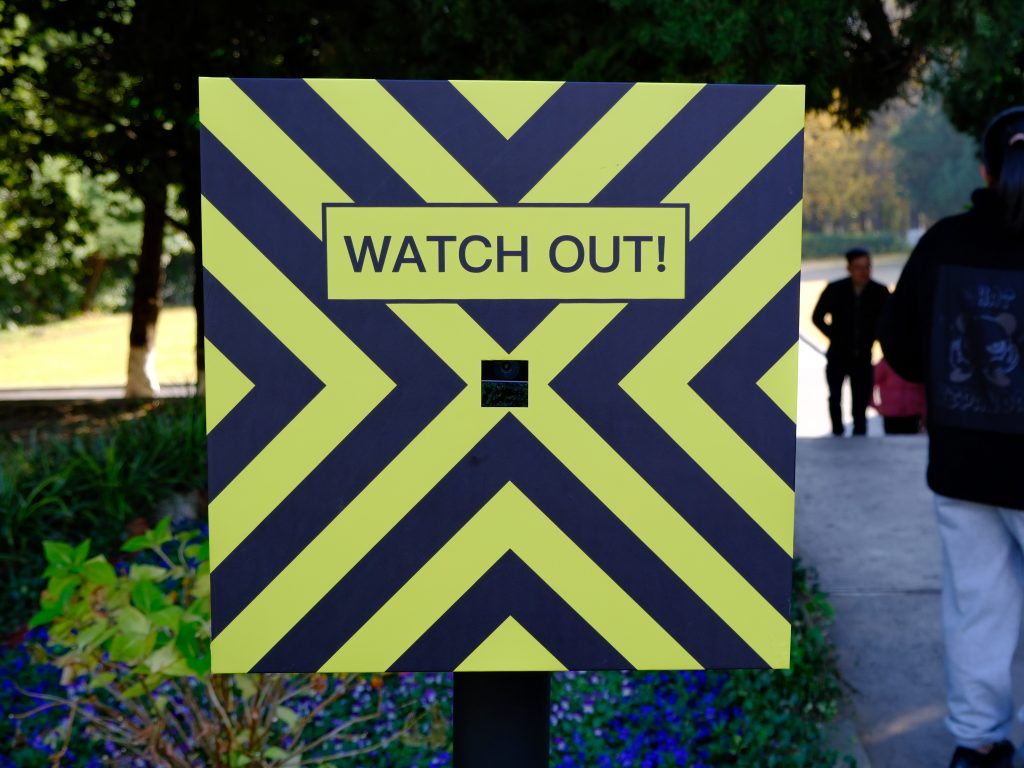
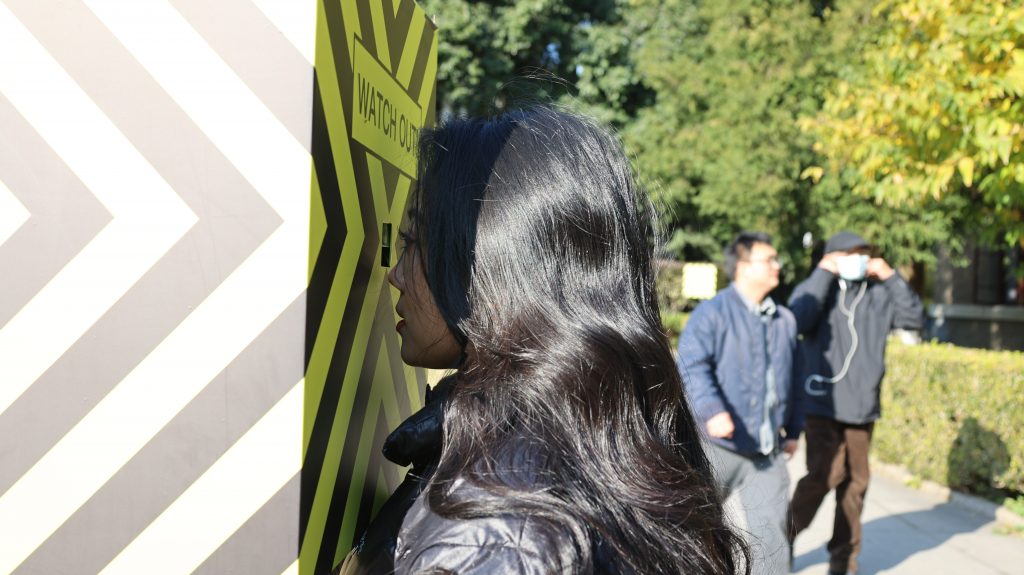
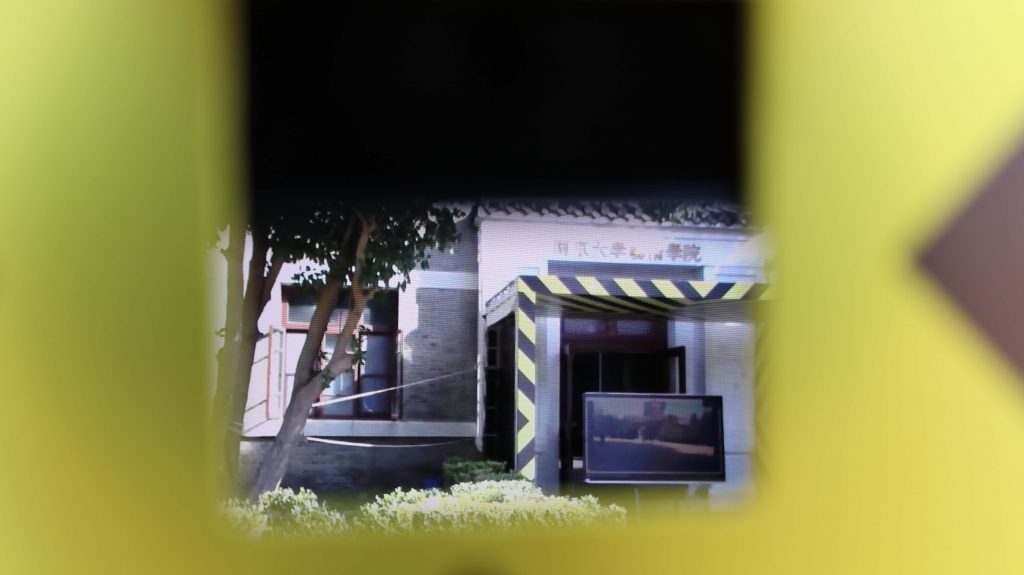
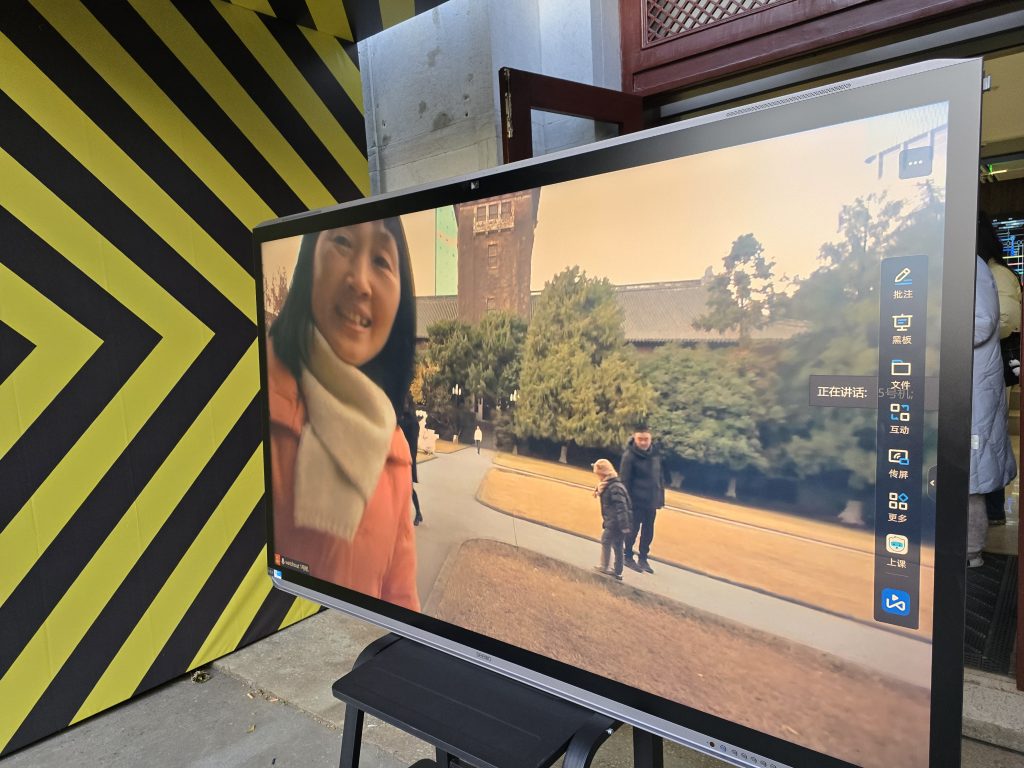 Watch Out! Urban installation, Internet, surveillance cameras (2002-2004)
Watch Out! is a profound reflection on the surveillance culture of modern society. In this work, the exhibition viewer is invited to contemplate the boundaries between transparency and privacy, and to explore how we can create personal space in a world where everything seems to be visible.
In the work of art, the audience is not just a bystander, but a direct “participant” or even a “target”. Through dynamically generated images and sounds, the work reveals a reality in which data monitoring and anxiety about globalization are intertwined. Its deep intention is not only to prompt reflection on the dependence on technology in contemporary society, but also to create an experiential space full of tension in art.
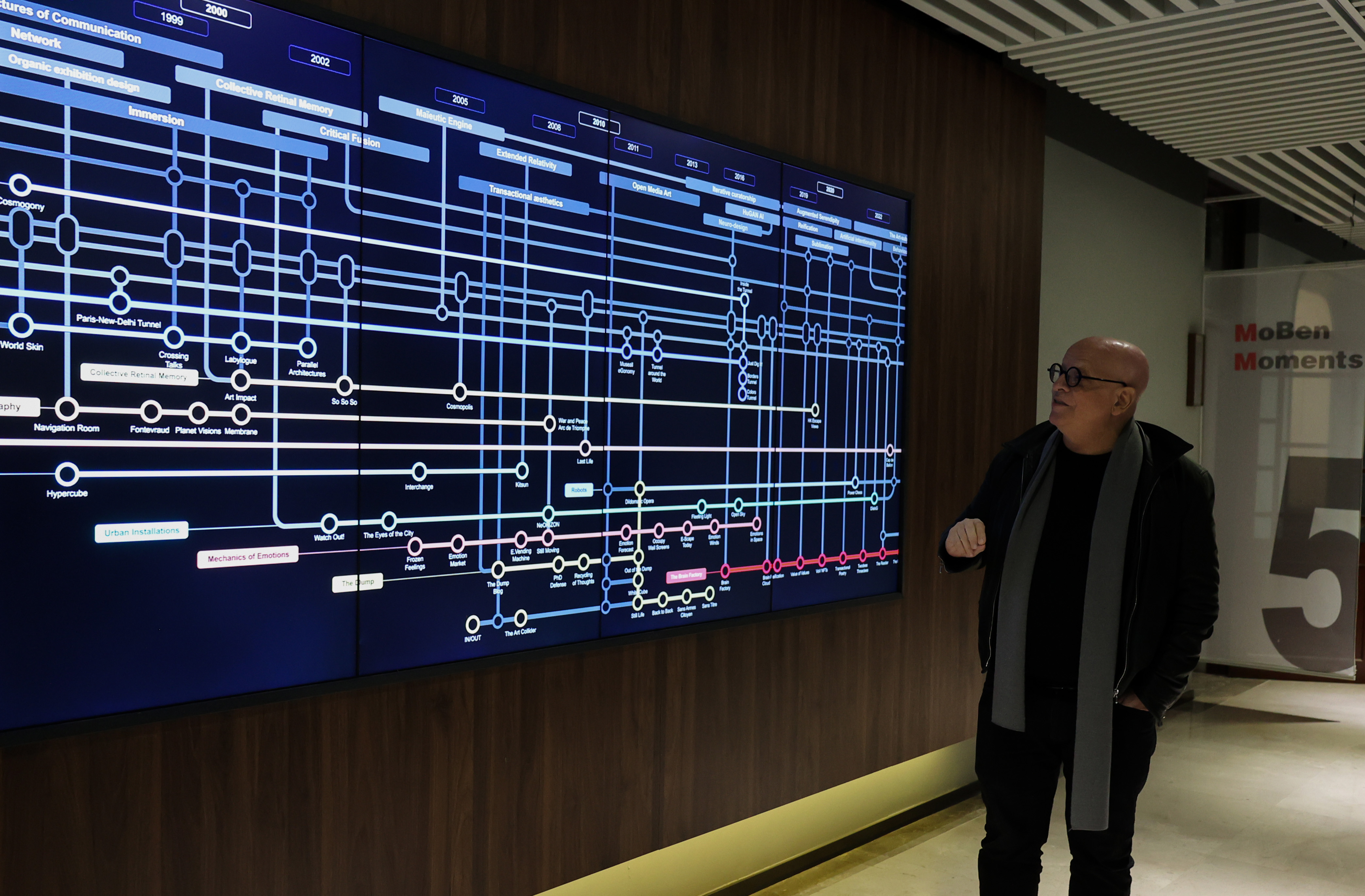
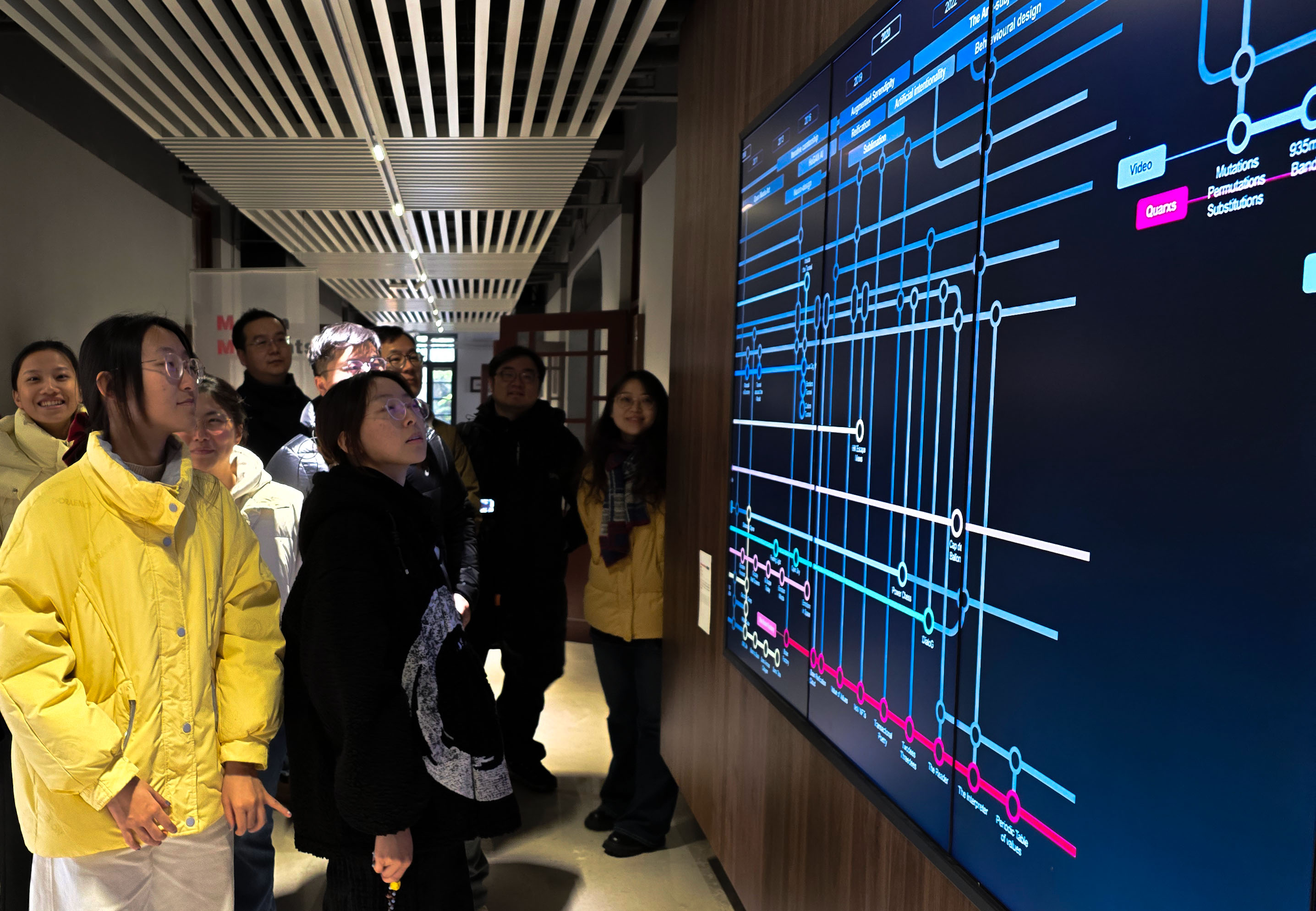
02 Conceptual Map 2022, dynamic timeline
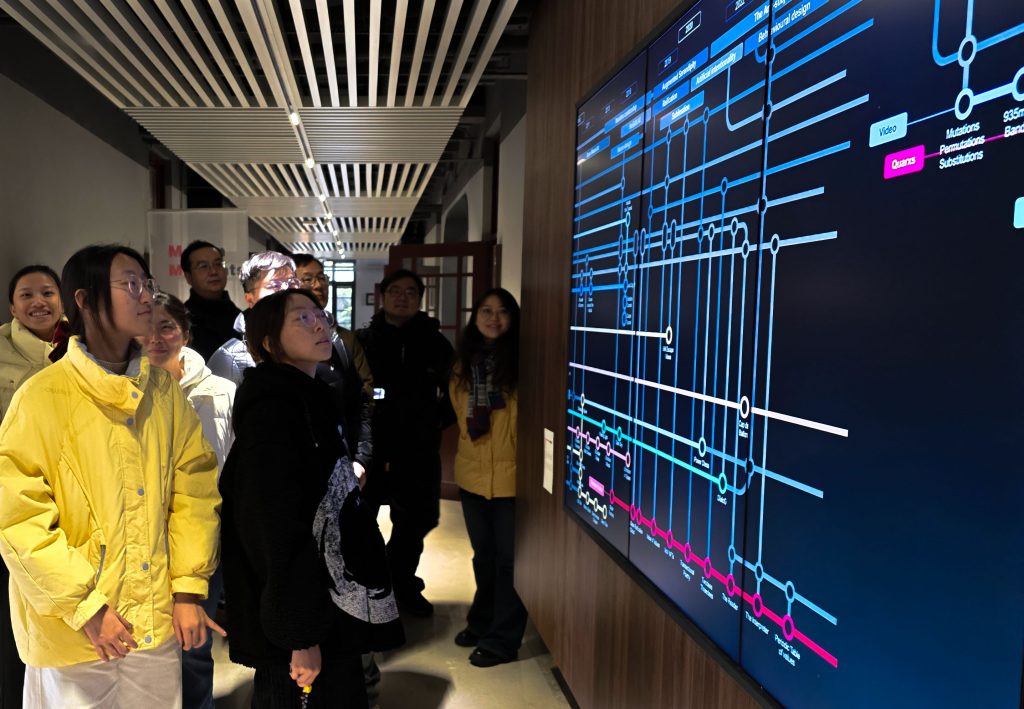 Conceptual Map dynamic timeline (2022)
The Osage Art Foundation produced the work, which was first presented as part of the “Value of Values” exhibition during Morphogenesis of Values at the Chantal Miller Gallery, Asia Society Hong Kong Center. New Media art is not about technology; it is for the artist a catalyst that reveals the deep mutation at stake in contemporary society. Instead of classifying artworks according to their medium, the Conceptual Map displays a subway map of the concepts that have over 40 years informed MoBen’s work.
03 Quarxs 1991-1993, 3D CGI TV series
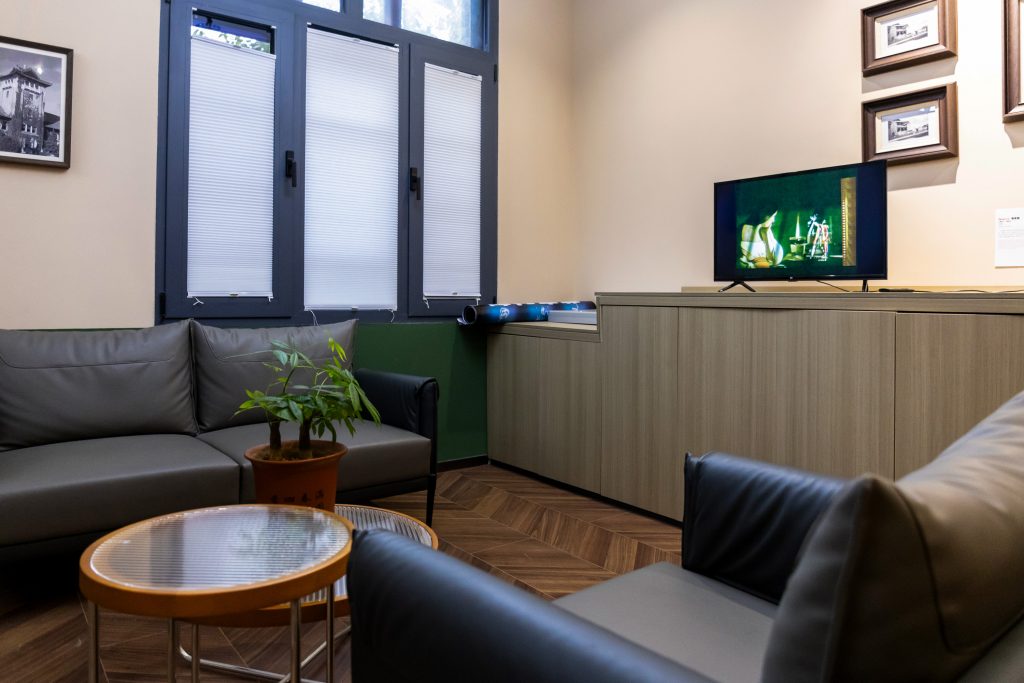
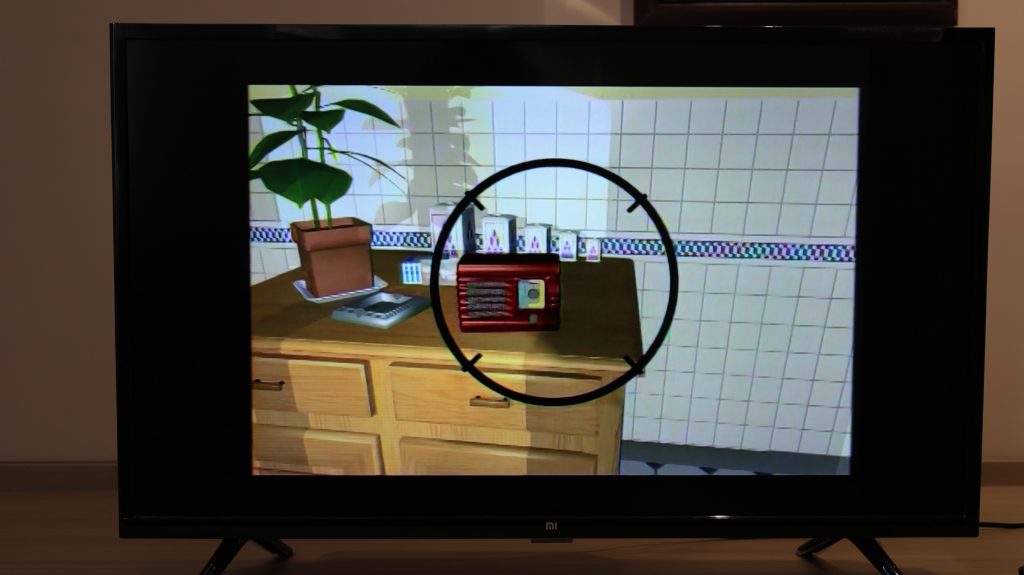
Quarxs, 3D CGI TV series(1991-1993)
Quarxs is a pioneering series of works in the field of digital art, recognized as the world’s first artistic animation series created entirely through 3D computer animation. Completed by Moben and his creative team, this work explores the boundaries between science, philosophy, and fiction, utilizing advanced technology and a unique narrative style.
Through the fictional biological group “Quarxs”, the work reveals the irregular phenomena hidden in our daily reality and presents a fantastic and absurd parallel world. These “Quarxs” subvert the understanding of natural laws, challenge the audience’s trust in scientific logic, and are full of a sense of humor and visual impact.
As a pioneer of computer animation in the 1990s, Quarxs holds a pivotal position in the era of art and technology integration. It is not only a masterpiece of computer animation technology, but also the result of the artist’s philosophical exploration of the invisible world, which inspires the audience to view the structure and boundaries of reality from a new perspective.
04 The Big Questions: Is God Flat? 1994, Real-time 3D CGI
The Big Questions: Is God Flat? Real-time 3D CGI (1994)
Is God Flat? is a “metaphysical video game” (Jean-Paul Fargier, Le Monde) created by using 3D computer animation to explore the intersection of science, religion, and space dimensions. Through rich visual symbols and nonlinear narration, this work challenges the audience’s traditional understanding of divinity and the nature of the universe.
The short film introduces the audience to an abstract and geometrically beautiful world. In this space, the boundary between time and dimension is redefined, and the seemingly absurd question “Is God Flat?“ is transformed into profound philosophical speculation. The work shows the possibility of the invisible world through digital technology while questioning the limitations of human perception and the scientific definition framework.
As a precursor of 3D digital artworks, Is God Flat? shows Moben’s breakthrough in the integration of technology and art, but also invites the audience to reflect on the relationship between existence, belief, and reality from a new perspective. It is a thought-provoking visual artwork.
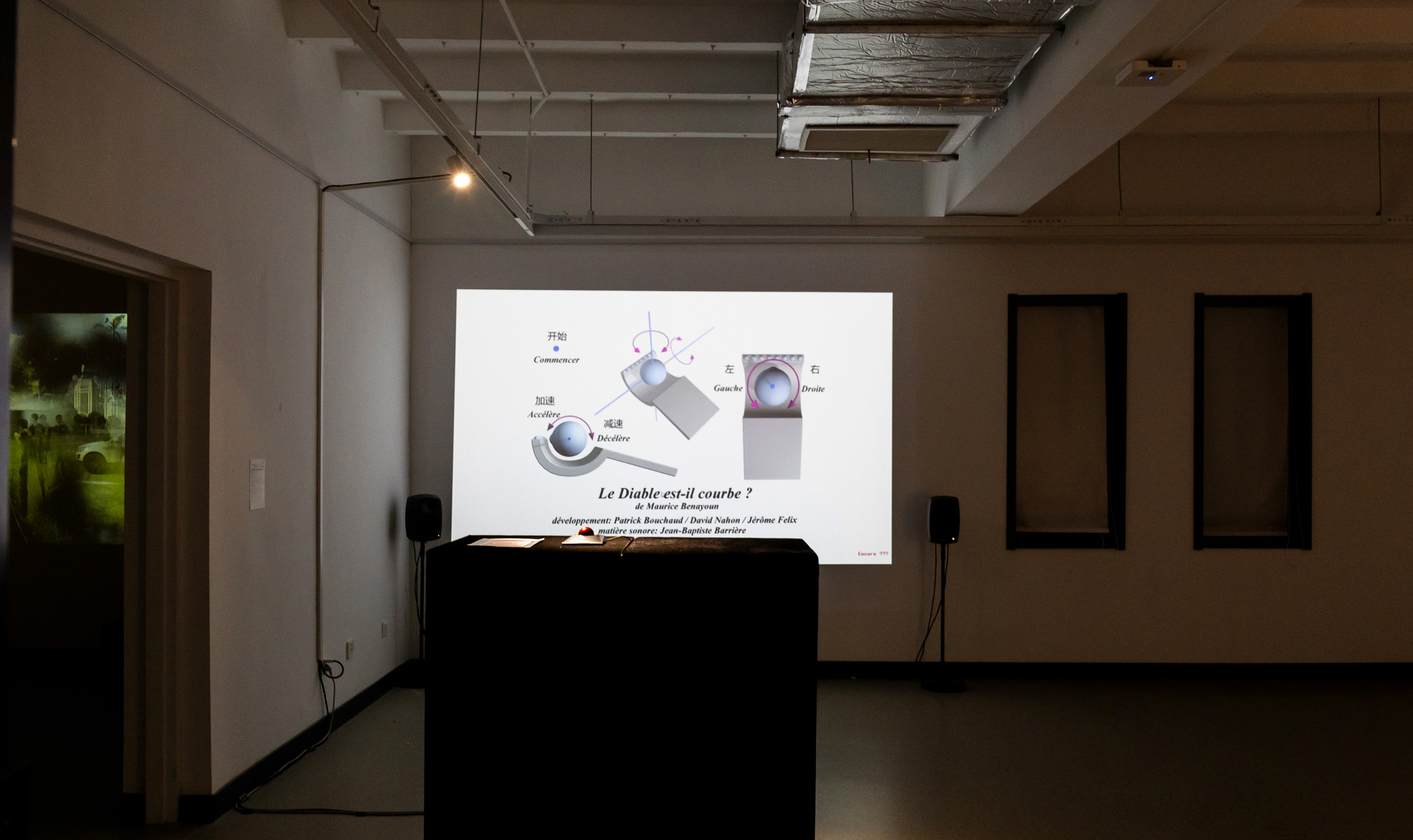
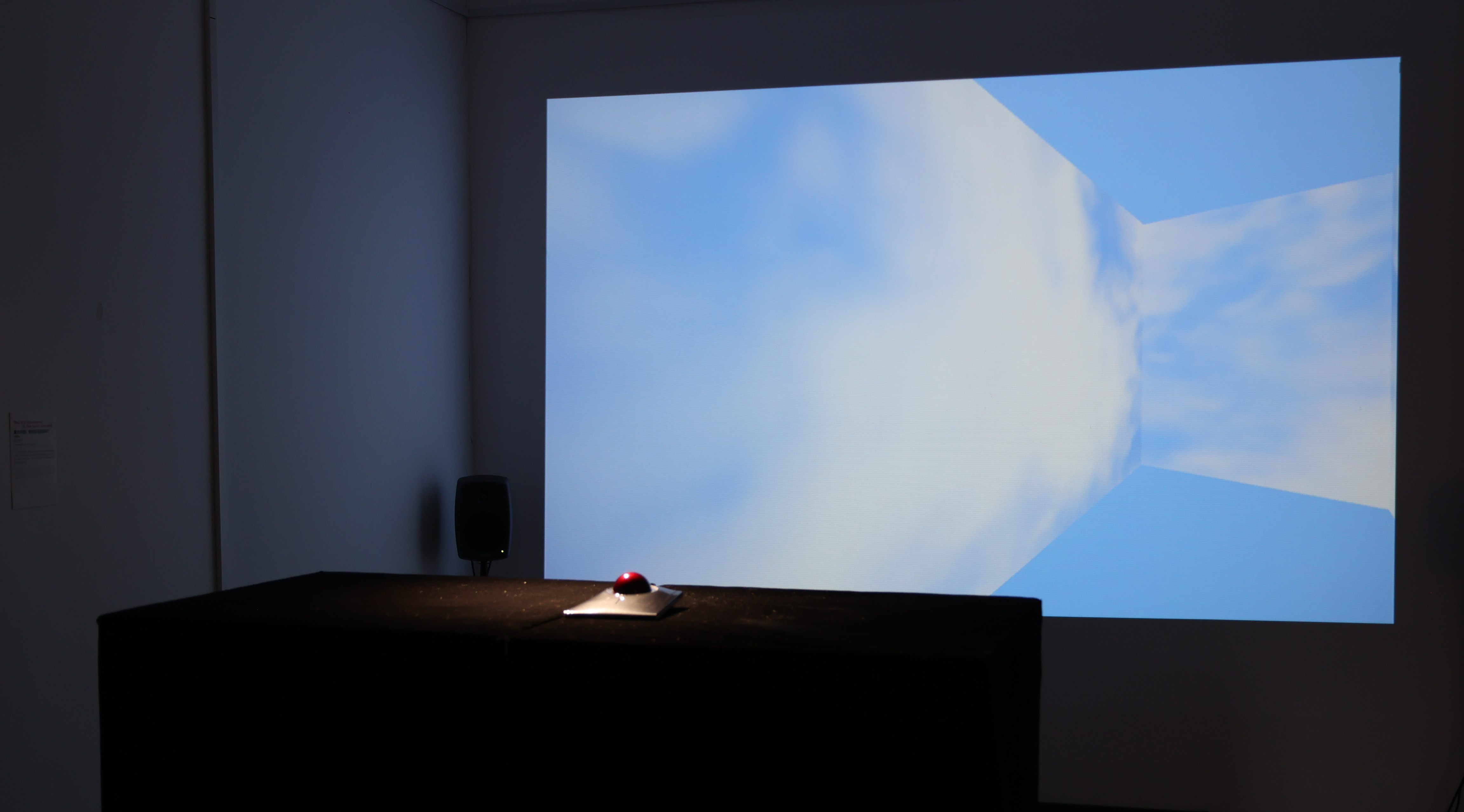
05 The Big Questions: Is the Devil Curved? 1995, VR, AI interactive installation
The Big Questions: Is the Devil Curved? VR, AI interactive installation (1995)
Is the Devil Curved? is another philosophical digital artwork following Is God Flat? Through 3D animation technology, this short film transports the audience into a surreal space filled with symbols and metaphors, exploring the essence and form of evil.
Focusing on the question of “Whether the devil is curved?”, the work shifts its attention to the form of evil, symbolizing the mobility and uncertainty of the devil through complex and dynamic geometric images, and re-examining our understanding of evil and chaos from both visual and conceptual perspectives. Through the delicate description of chaos and order, the work explores the philosophical speculation behind the opposition between good and evil, implying that the existence of evil may be a necessary dimension for understanding the human world. The complex geometry and dynamic spatial transformation in the film suggest the connection between evil and the world’s structure. Through subversive narrative logic and charming visual language, the artist presents multidimensional perspectives on good and evil, order and chaos.
Is the Devil Curved? is not only a breakthrough in digital animation technology but also a dialogue between philosophy and art. It is an essential attempt in contemporary art to challenge the audience’s cognition and encourage them to understand the relationship between reality and fiction from many angles.
06 Cosmopolis, Overwriting The City 2005,nVR experiences
07 HK Escape Views, Panoptical Memories 2021, VR experiences, video
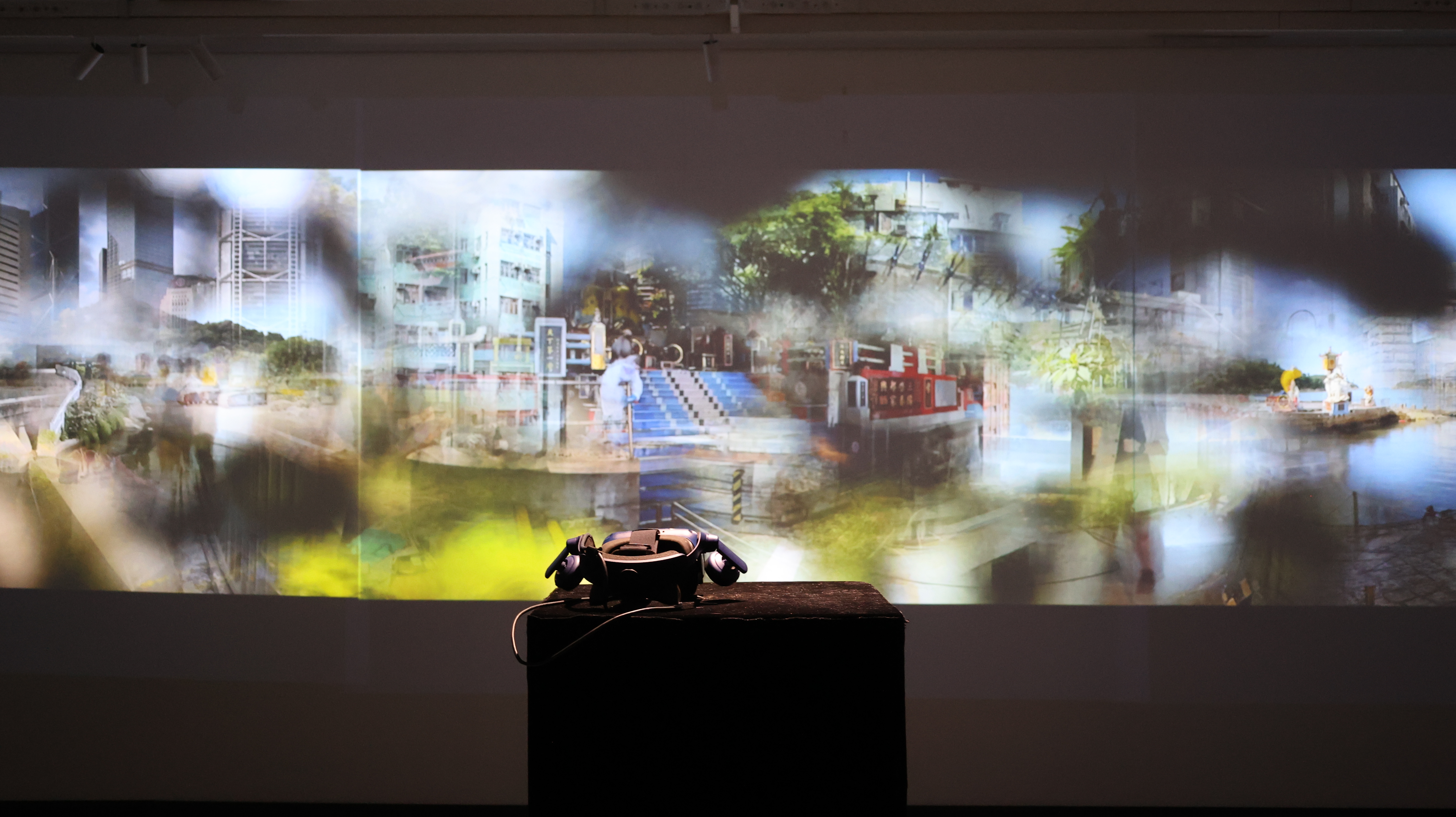
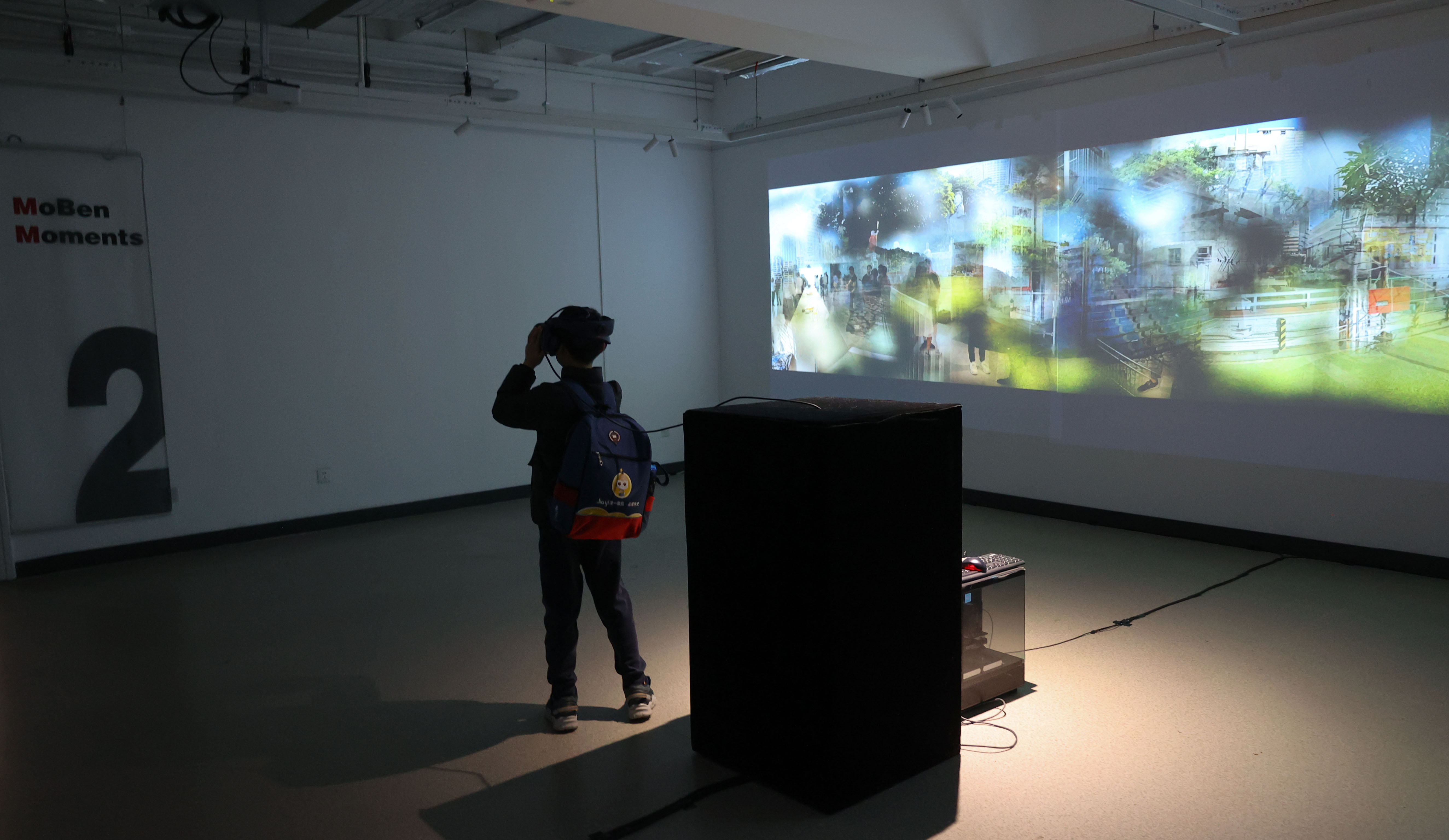
Cosmopolis, Overwriting The City, VR experiences (2005), and HK Escape Views, Panoptical Memories, VR experiences, video (2021)
This installation integrates MoBen’s 2005 work “Cosmopolis, Overwriting The City” and his 2021 work “HK Escape Views, Panoptical Memories“. With an actual exhibition diameter of 25 meters, the installation combines urban landscapes, personal memories, and a global perspective to depict a multi-layered perceptual space, exploring the subtle connections between history, identity, and surveillance. The work is committed to examining urban reality through people’s eyes, interpreting the process of urbanization in artistic and scientific ways, and making the visit an experience of both body and intellect. Visitors step into a vast, ever-changing urban panorama. Twelve observation telescopes allow people to enjoy twelve urban environments in a 360° view. Thus, seven Western cities and five Asian cities can be explored from different angles. These scenes bear no resemblance to the tourist landscapes one might expect; instead, they showcase major urban issues—such as transportation, environment, architecture, energy, and health—through the selection of perspectives. It is only later that visitors realize that their perspectives through the VR binoculars can be “captured” to create a panorama of Cosmopolis in the exhibition center, which is the result of visitors’ mutual gaze and visual experience. At the core of the work is an interactive “panoramic view” that reshapes Hong Kong’s urban landmarks and daily scenes in technical and artistic ways. In the installation, the audience’s line of sight is both that of a viewer and an object being viewed, forming an interactive experience of watching and being watched.
08 Just Dig It! 2016, Video, physical installation (steel)
Just Dig It!, Video, steel physical installation (2016)
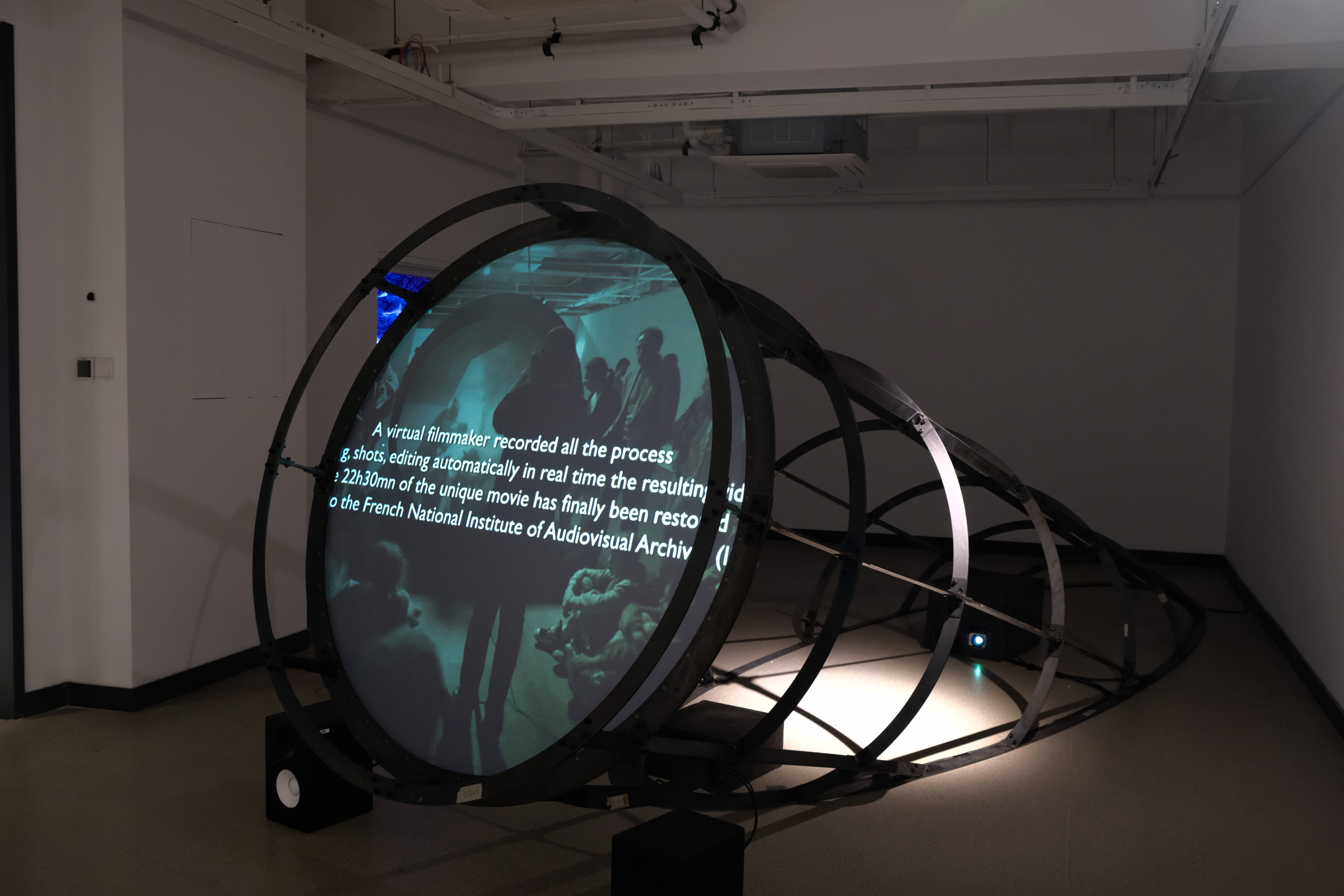
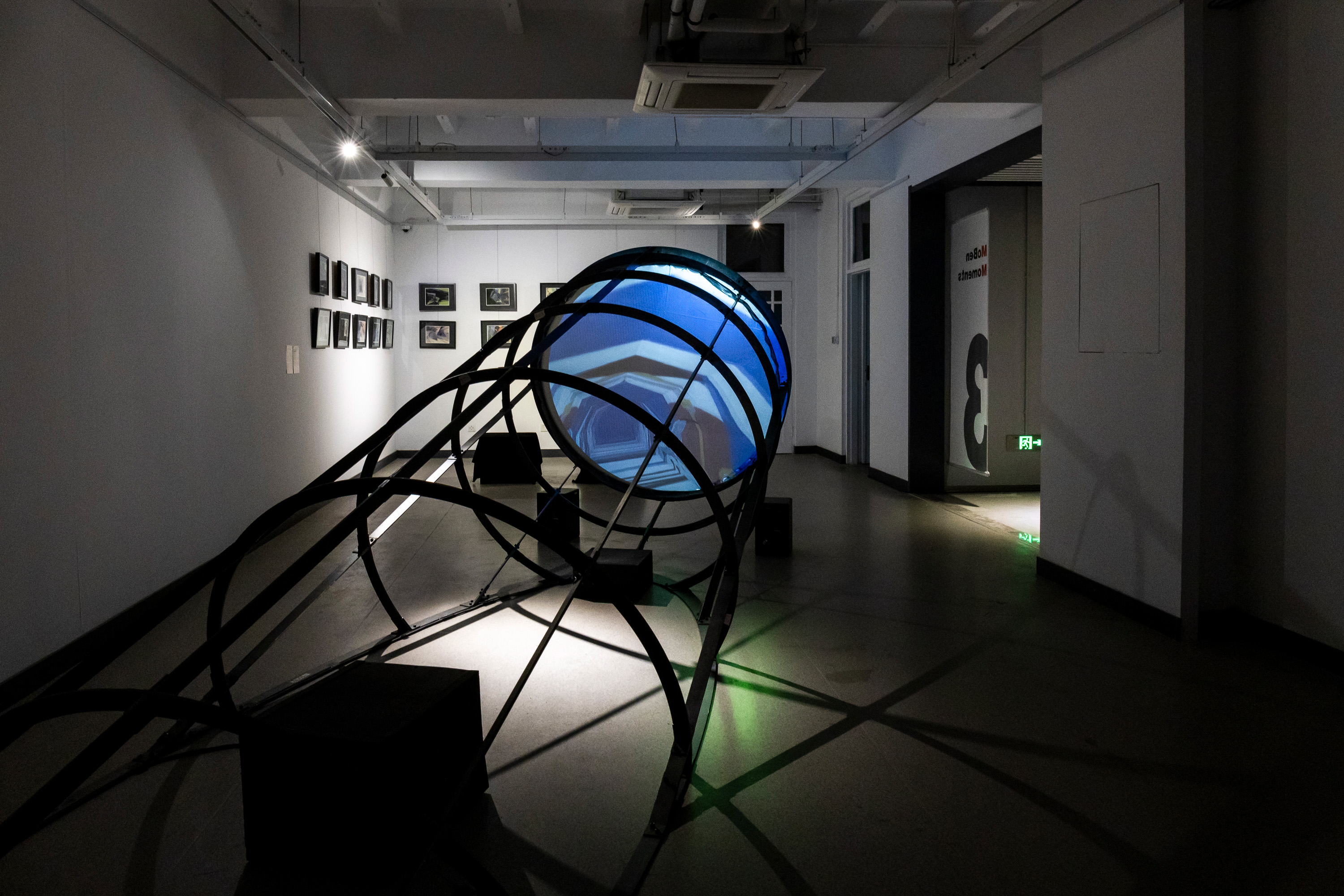
Just Dig It! is an immersive artwork that utilizes virtual technology and realistic interaction at its core. This work invites the audience to explore the unknown areas on the other side of the earth in digital space through a virtual “excavation” action, thus constructing a reflection on globalization, connectivity, and realistic boundaries. This exhibition presents the work of Tunnel under the Atlantic in video form, set within a steel tunnel.
Tunnel under the Atlantic is an iconic interactive installation by Moben, hailed as one of the world’s first art experiments to explore remote virtual reality interaction. This virtual tunnel is not merely a symbol of geographic space, but a metaphor for the intersection of culture and memory. The work emphasizes the importance of interactivity: the construction of the tunnel relies on the collective action of the viewer, and each excavation is a unique communicative experience that exemplifies the potential of technology to serve as a bridge for human communication.
Tunnel under the Atlantic is not only a technological and artistic breakthrough, but also an exploration of globalization, memory, and cultural identity. It questions the significance of geographical distance while anticipating how digital technology is transforming the way humans interact and construct shared memories, making it a landmark work of digital cultural change in art history.
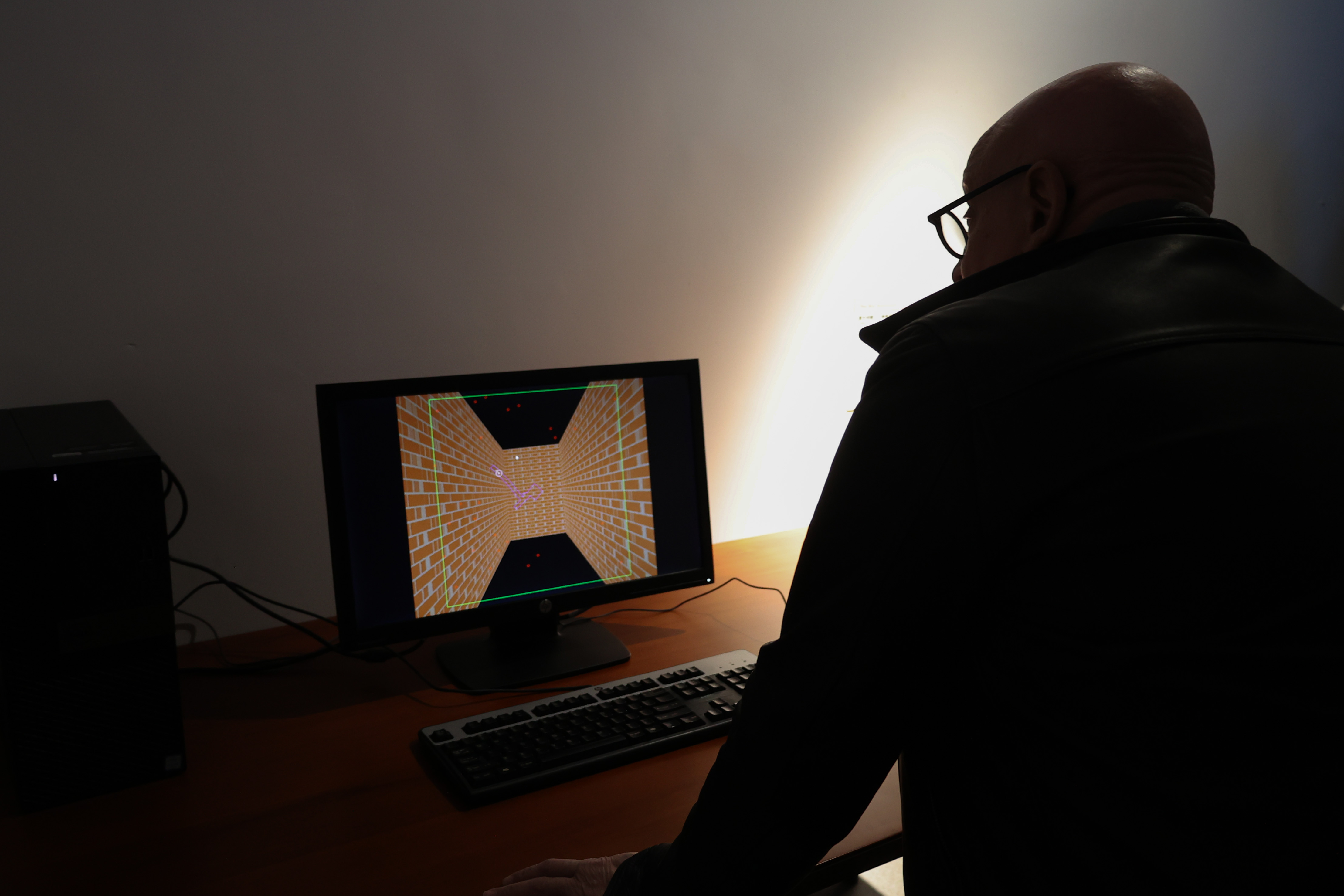
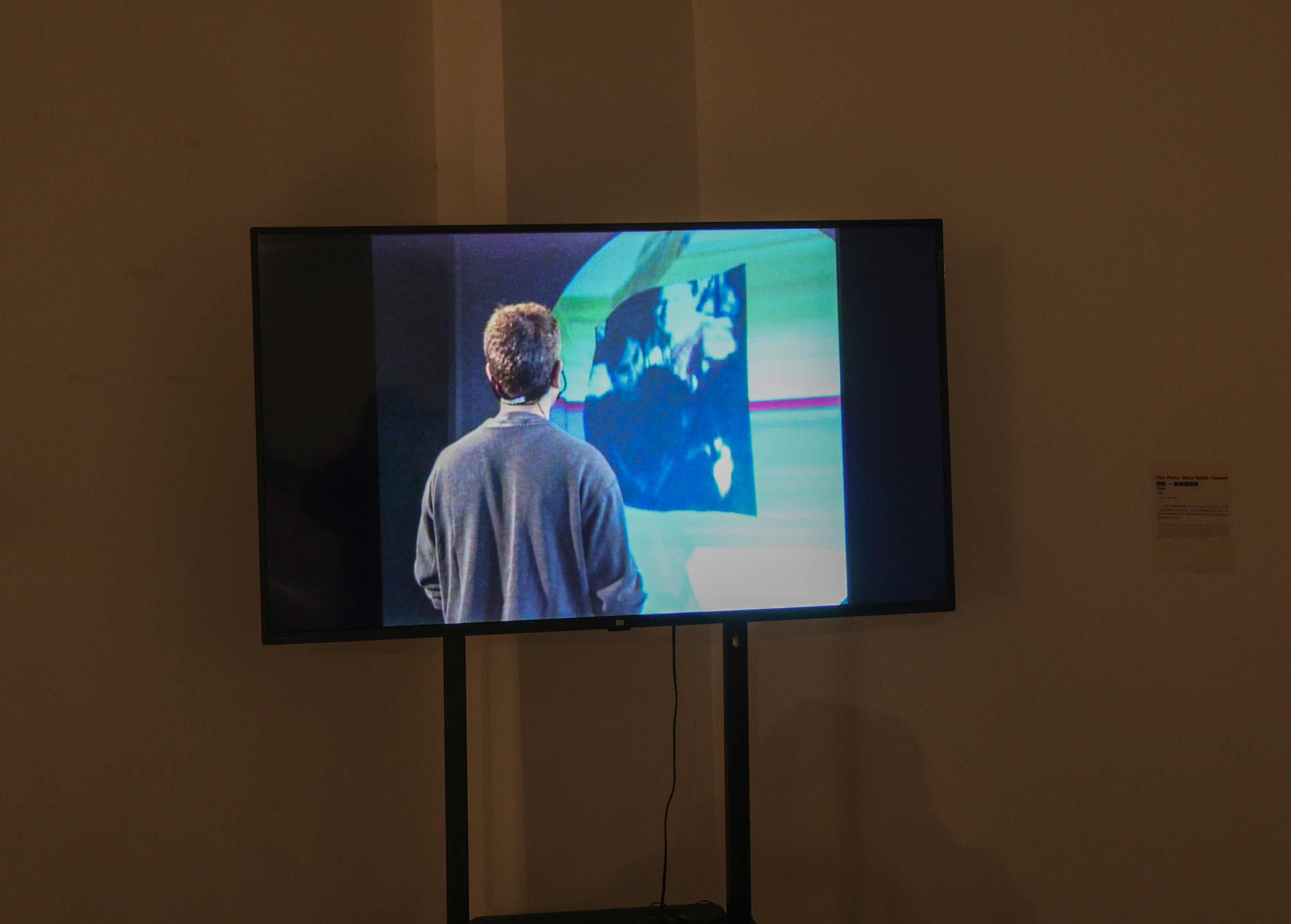
09 The Paris-New Delhi Tunnel 1997, VR, video recording (Machinima)
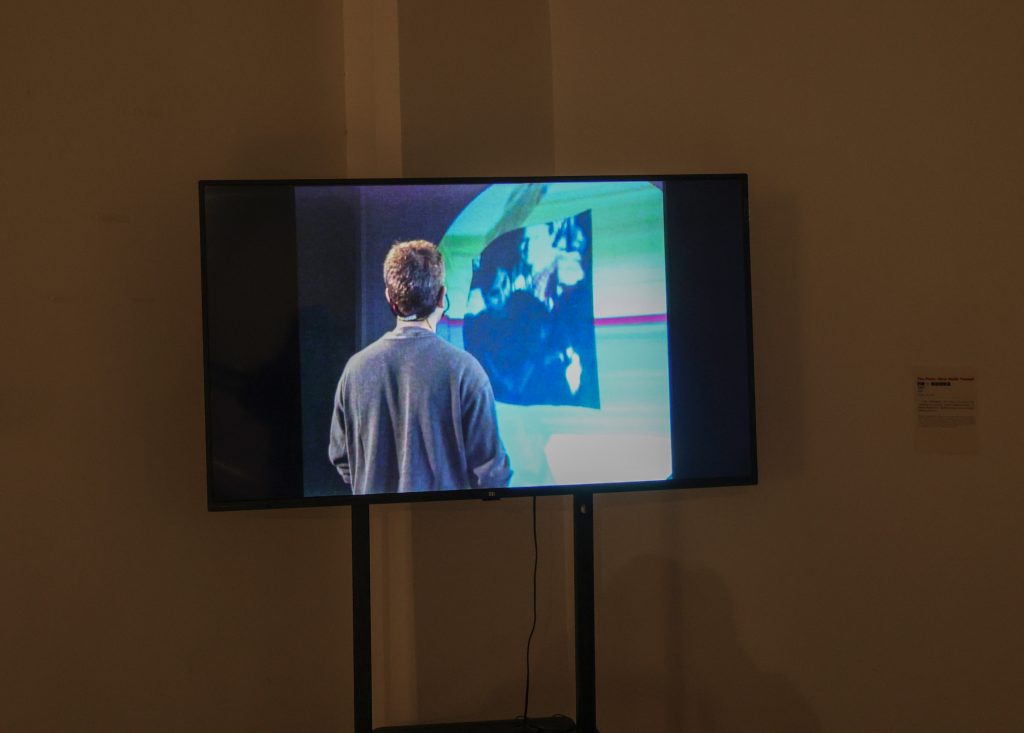 The Paris-New Delhi Tunnel, VR, video recording of the digging (Machinima)(1997)
The Paris-New Delhi Tunnel, a virtual reality interactive installation following Tunnel under the Atlantic, further deepens the artistic experimentation on cross-cultural exchange and technological connectivity. Through virtual technology, this tunnel connects the Centre Georges Pompidou in Paris with the India International Center in New Delhi, inviting the audience to explore together in a virtual space to construct a new cultural dialogue.
Similar to its predecessor, this virtual tunnel allows the viewer to uncover images, sounds, and textual fragments in the digital depths through the act of digging. The Paris-New Delhi Tunnel, however, focuses on the dialogue between two very different cultural contexts. In the tunnel, the viewer not only feels the collision and fusion of cultural memories between the two places but also participates in the process of shaping this dialogue. The work embodies Moben’s unique understanding of interactive art: art is not only an object to be viewed, but also a result of co-creation between the viewer and the work.
The work transcends geographical and cultural boundaries, redefining distance and communication through the medium of virtual reality. As a cross-cultural experiment between art and technology, it reveals the profound impact of technology on human connection and understanding in the era of globalization. It reflects the artist’s deep concern for human coexistence and difference.
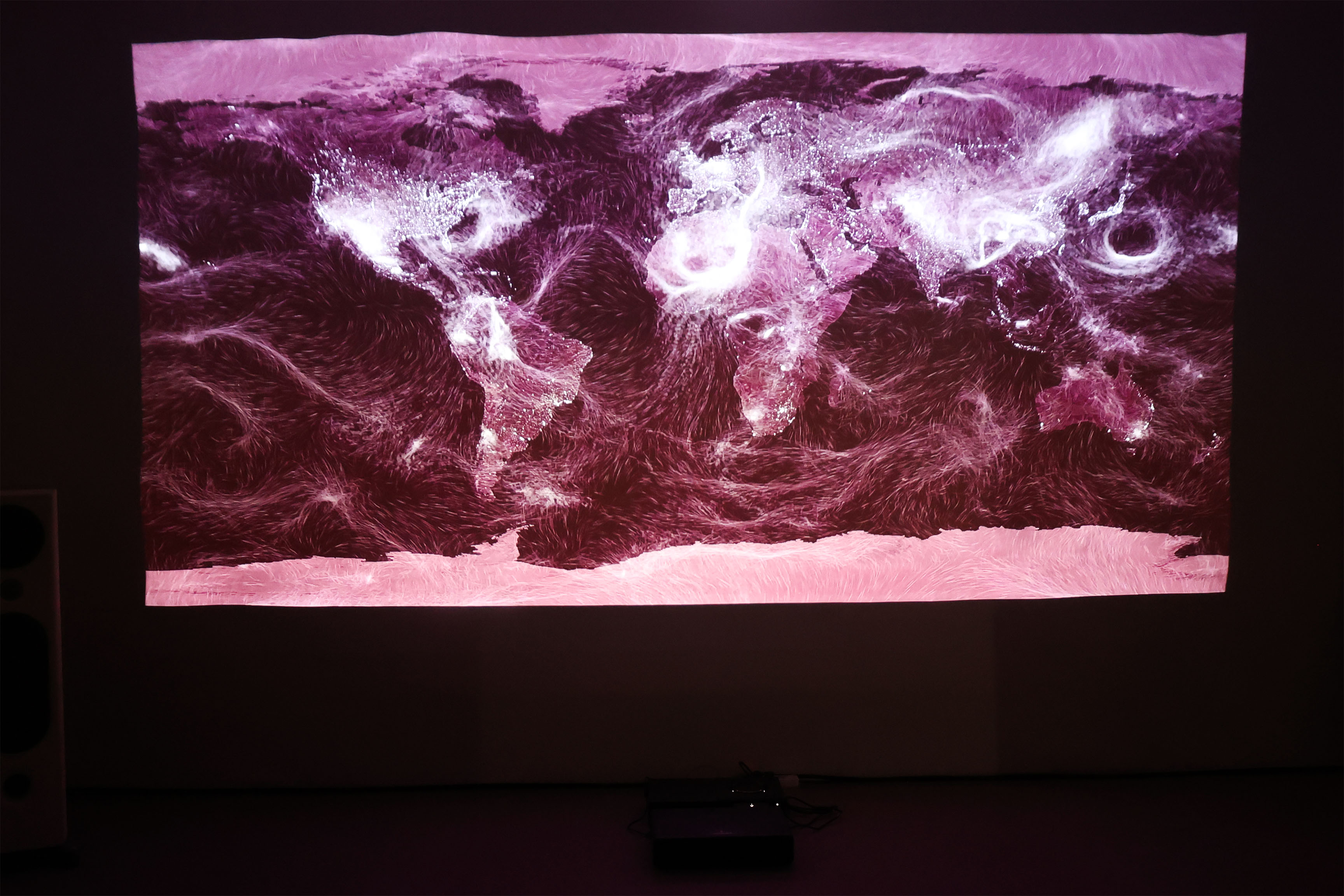
10 Emotion Winds 2014, recording of real-time data graphics (web and winds)
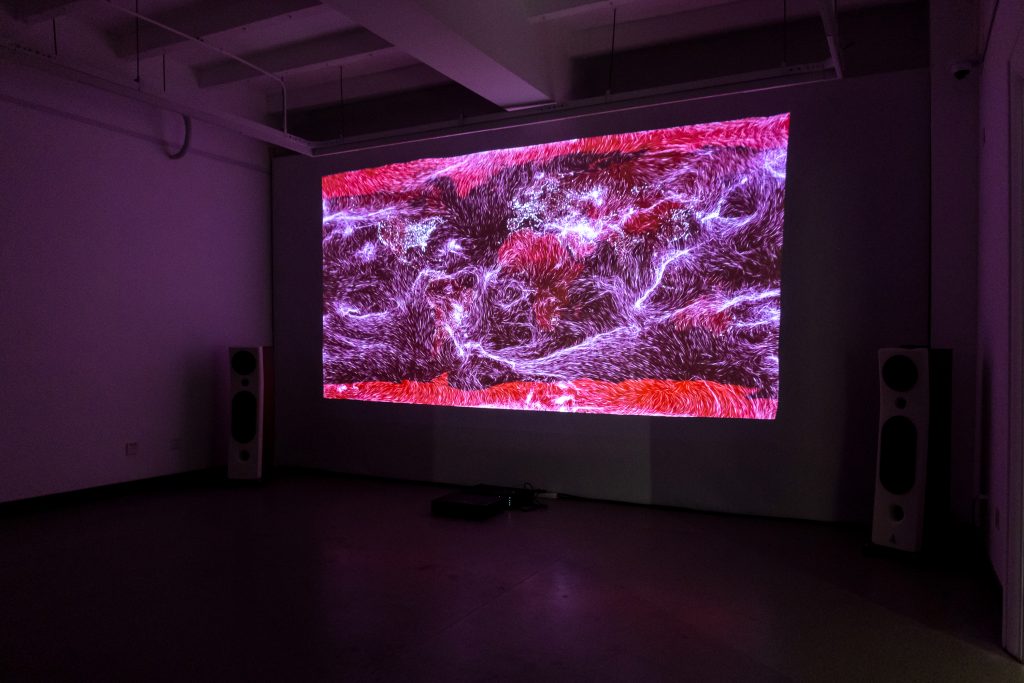
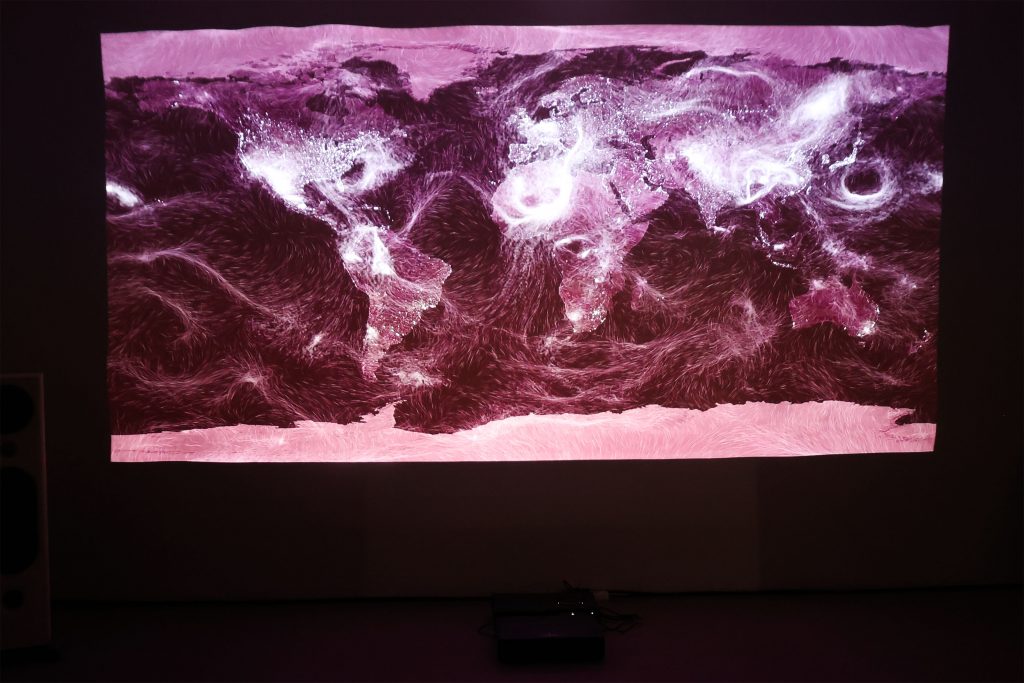 Emotion Winds, video documentation, recording of real-time data graphics (web and winds)(2014)
Emotion Winds explores the complex interrelationship between emotion, environment, and human perception. By combining wind sensing and digital technology, Moben transforms the intangible power of emotion into a perceivable natural phenomenon, using “wind” as a vehicle to create an interactive experience that is both intuitive and philosophical.
By combining data from eight real wind systems around the world with four major human emotions, Emotion Winds illustrates the flow and spread of emotions across the Earth. Based on internet big data analysis, the work visualizes the emotional data of 3,200 major cities worldwide, forming a pattern that flows naturally, much like Chinese calligraphy and ink painting.
Emotion Winds explores the fluidity and diversity of emotions, challenging our traditional understanding of them. Often, emotions are invisible and difficult to perceive directly and quantitatively by the outside world, but this work breaks through this limitation by transforming them into perceptible winds, allowing the viewer to feel the “materiality” of emotions in an immersive and interactive experience. In addition, the work emphasizes the interaction and resonance between humans and nature, reminding us that emotions do not only exist within the human heart but also interact and resonate with our surroundings and the world we live in.
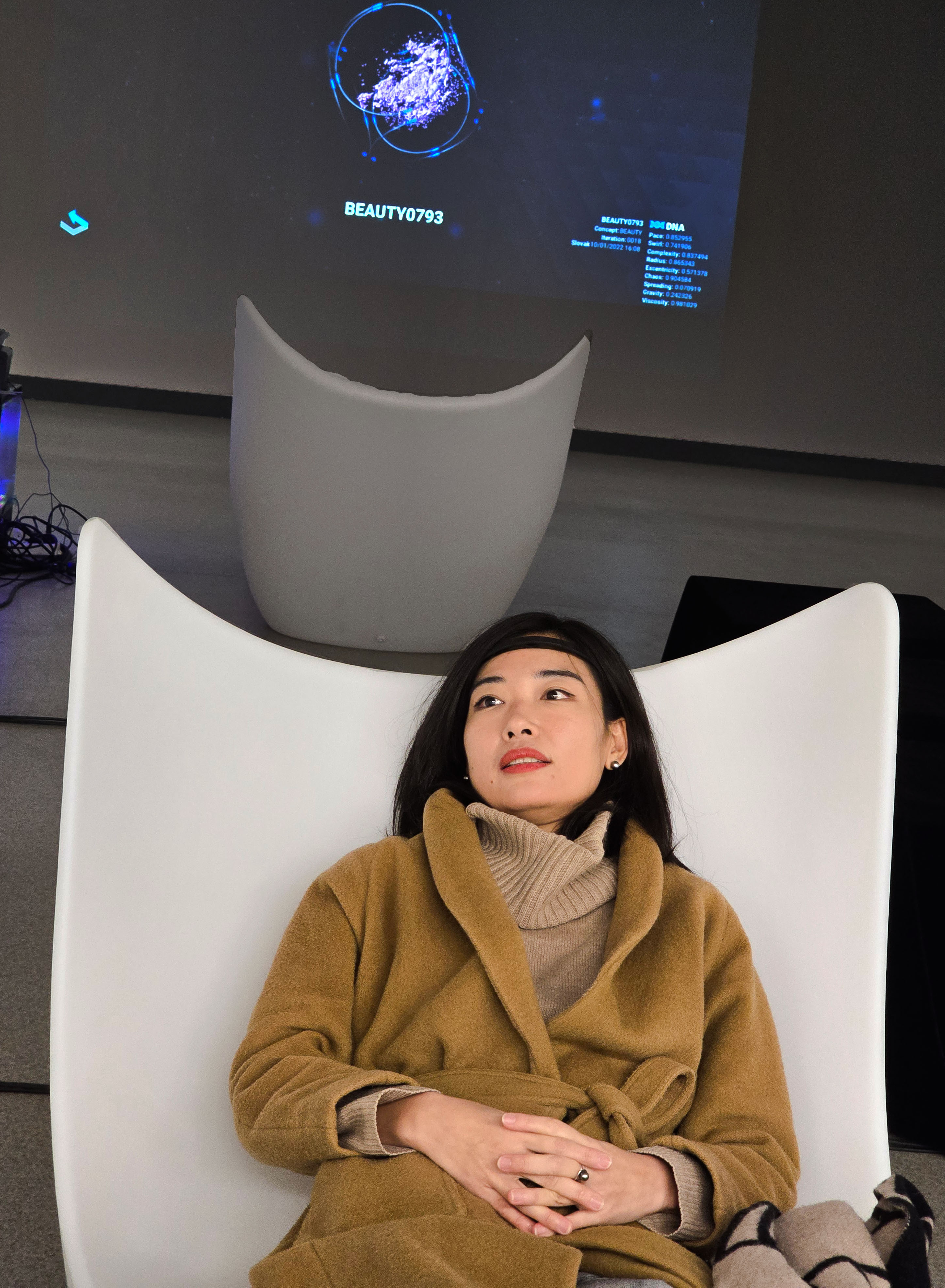
11 Neuro Design Station 2016-2019, interactive installation, EEG, NFTs, Blockchain, video documentation
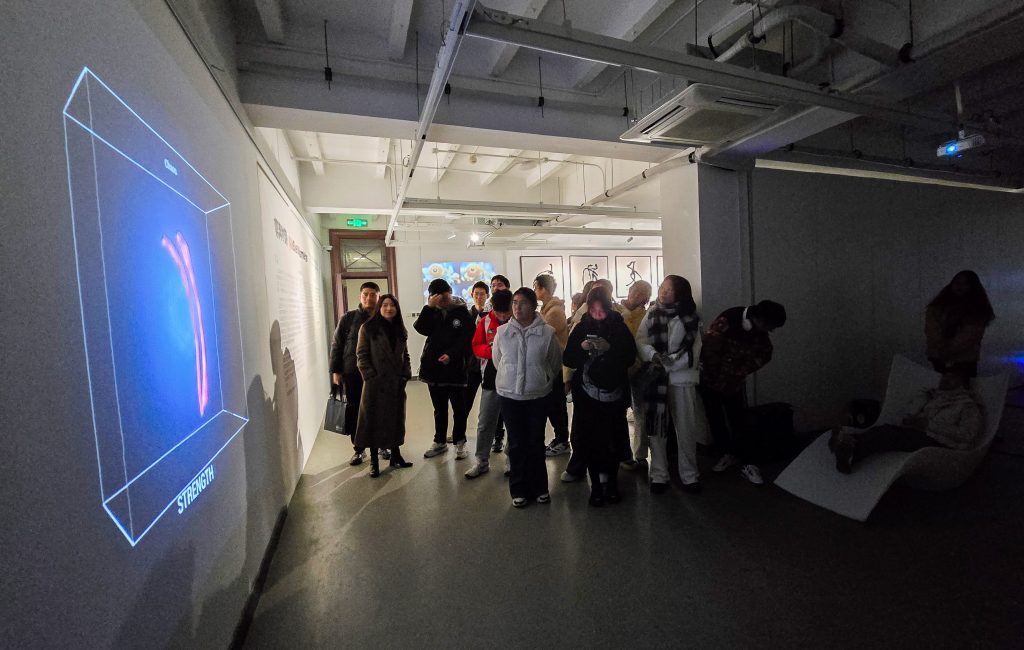
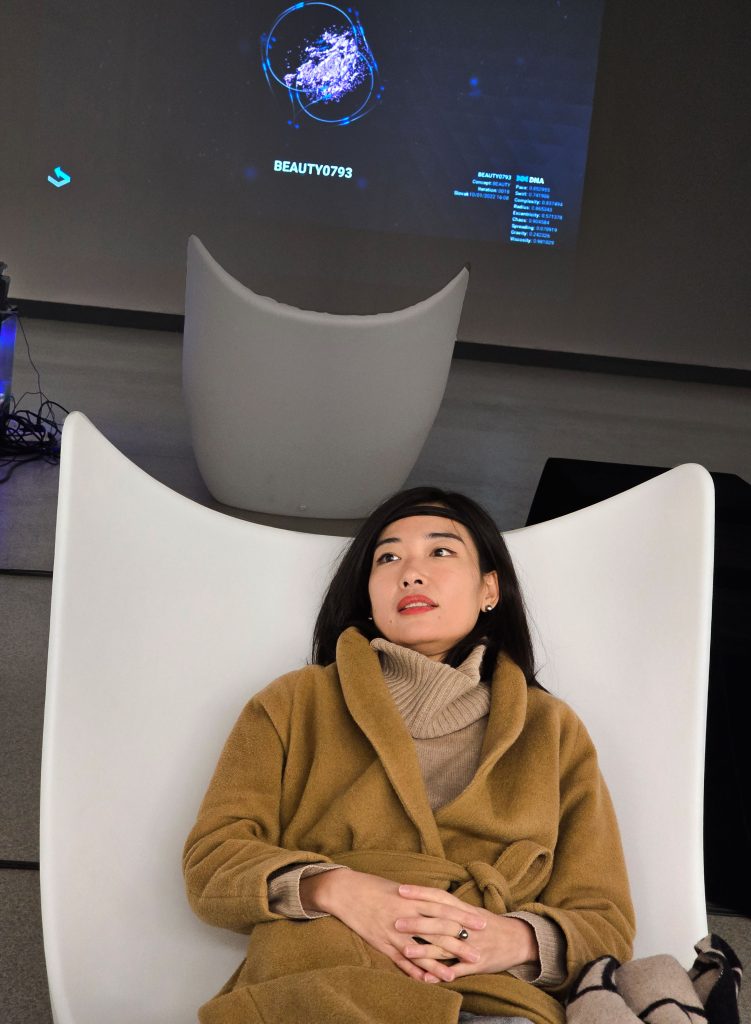
Neuro Design Station, interactive installation, EEG, NFTs, Blockchain, video documentation(2016-2019)
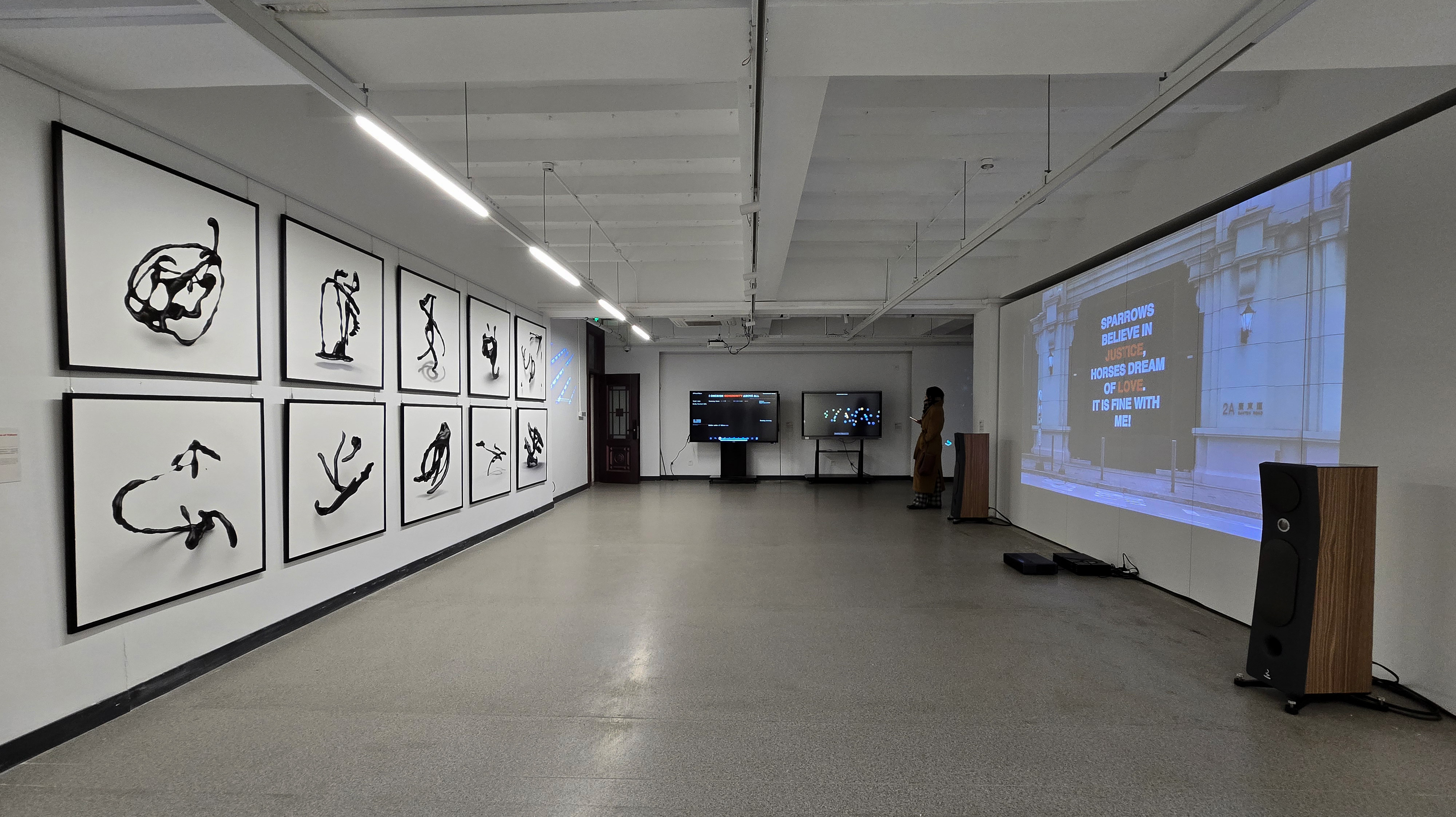
Neuro Design Station is an interactive installation that allows viewers to give shape to abstract human concepts through brain-computer interaction, and then transform the resulting shapes into physical objects. The work examines human specificity through abstract constructs of creativity, cognition, and emotion, illuminating the relationship between mind and matter, concepts and objects, and humans and machines.
The work speaks to a new type of relationship between humans and machines. It questions the nature of human thought and the role of humans in an age of controlled and sublimated materialism. In the age of artificial intelligence, humans may need to understand the specific role of their brainpower, just as robots have acted as human hands in the industrial age.
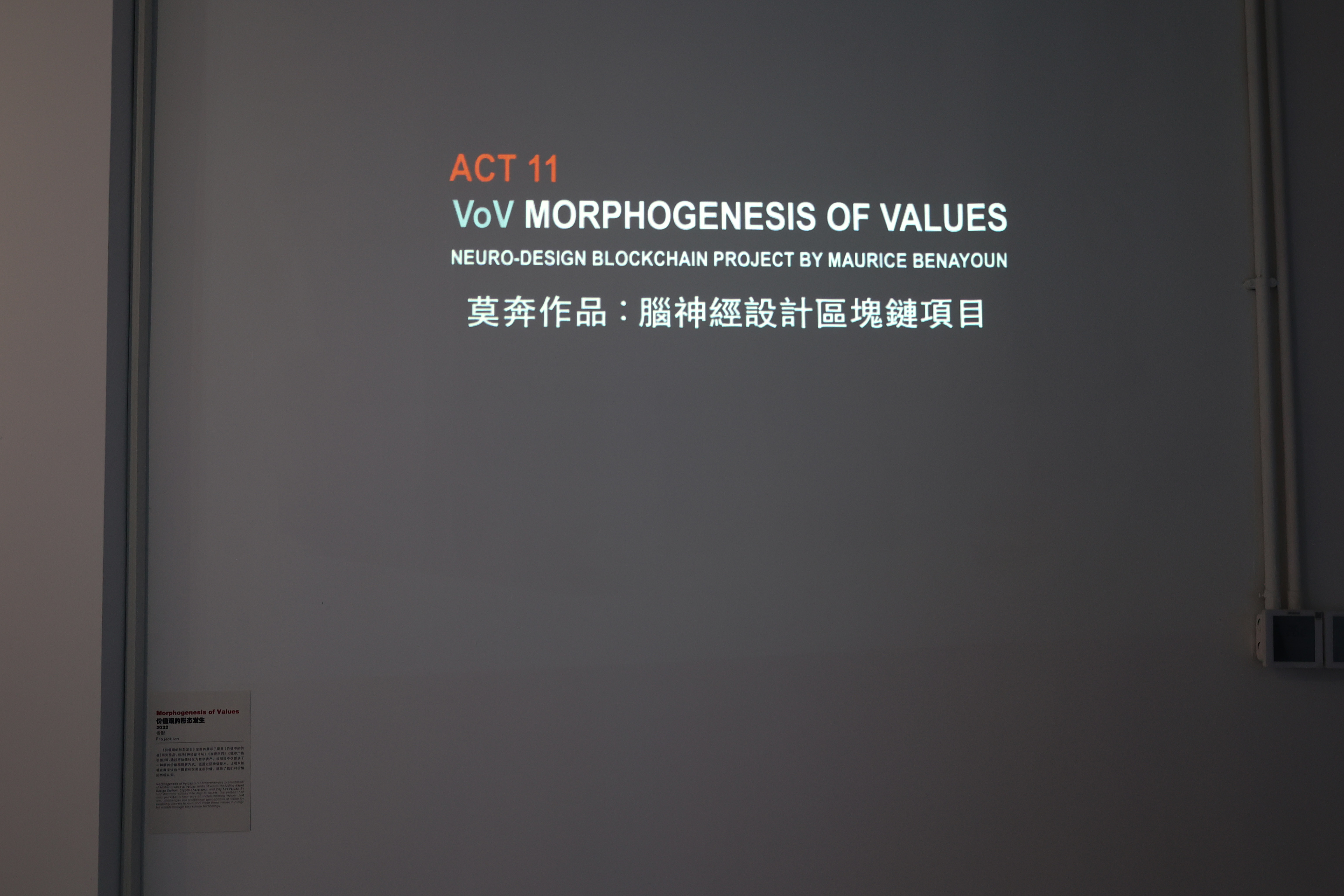
12 Morphogenesis of Values, 2022, video documentation
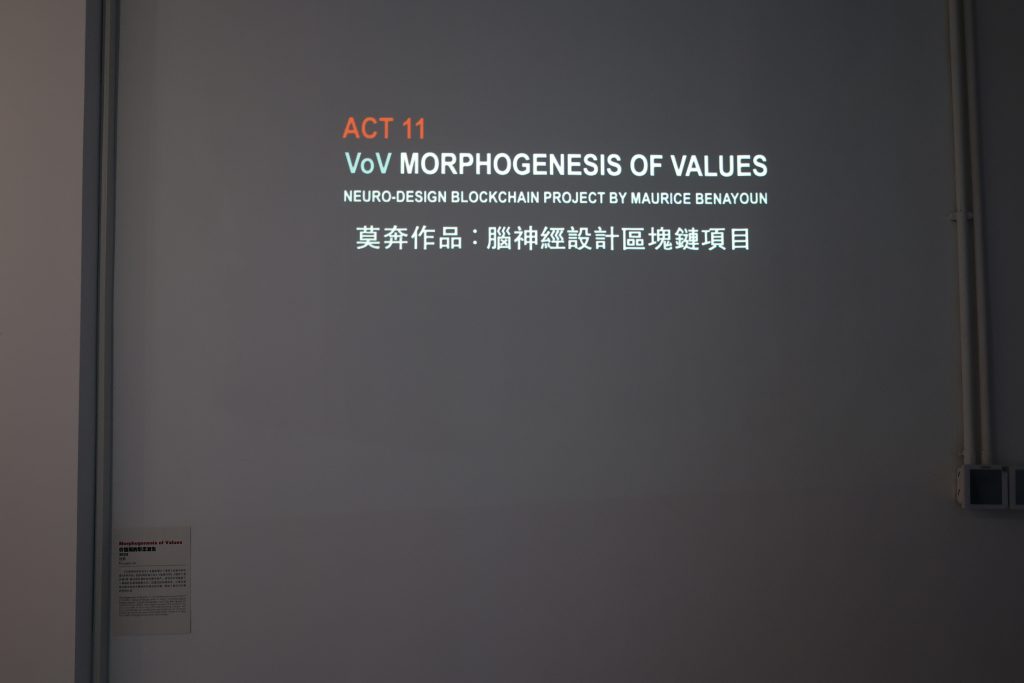
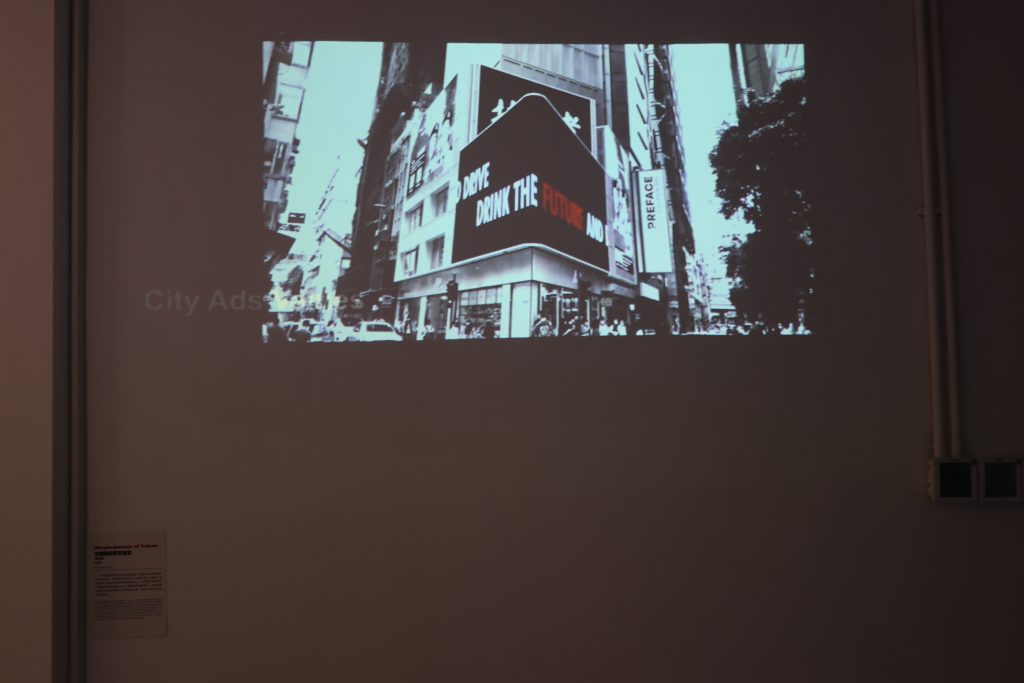 Morphogenesis of Values, video documentation(2022)
Morphogenesis of Values is a comprehensive presentation of Moben’s Value of Values series of works, including Neuro Design Station, Crypto Characters, and City Ads Values. The Value of Value project is Moben’s exploration of human values. By transforming values into digital assets, the project not only provides a new way of understanding values but also challenges our traditional perceptions of value by enabling viewers to own and trade these values in digital wallets through blockchain technology.
13 Crypto Characters of Values 2021, EEG, CGI, Prints
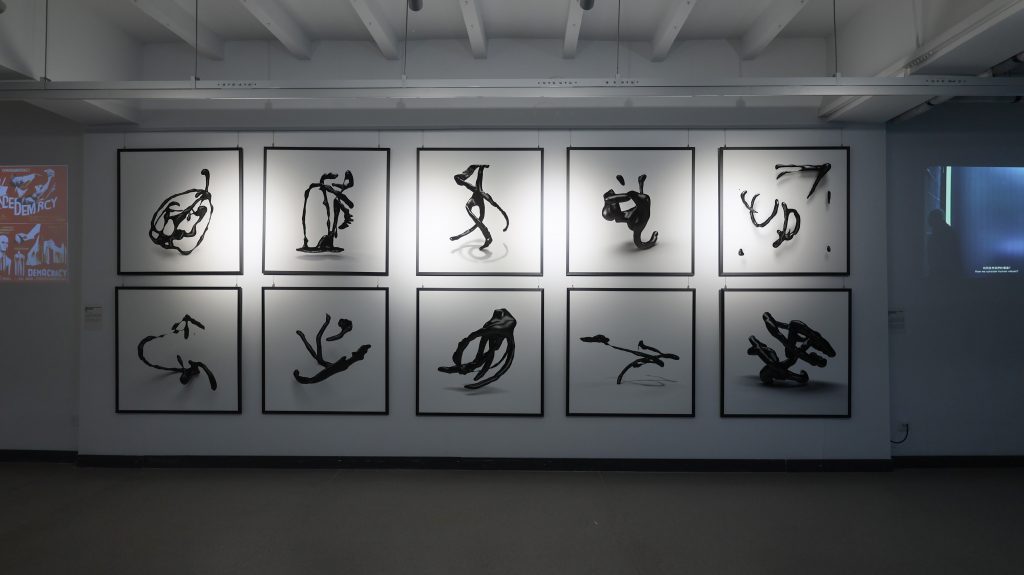 Crypto Characters of Values, EEG, CGI, Prints(2021)
These 8 encrypted characters are part of the Value of Values project. These VoV tokens are like characters that represent human values. Giving a shape to an abstract human concept is like inventing a new script, a new language, and it is the result of a chain of brainstormers contributing to the refinement of the “characters” that represent each value. They are three-dimensional models that can be freely converted into two-dimensional images or sculptures or volumetric devices. Giving a shape to a human abstraction is like inventing a new script, a new language, which is the result of the contribution of a chain of brain workers to perfect the “characters” that represent each value.
14 The Reader & The Interpreters 2021, AI, video documentation
The Reader & The Interpreters, AI, video documentation(2021)
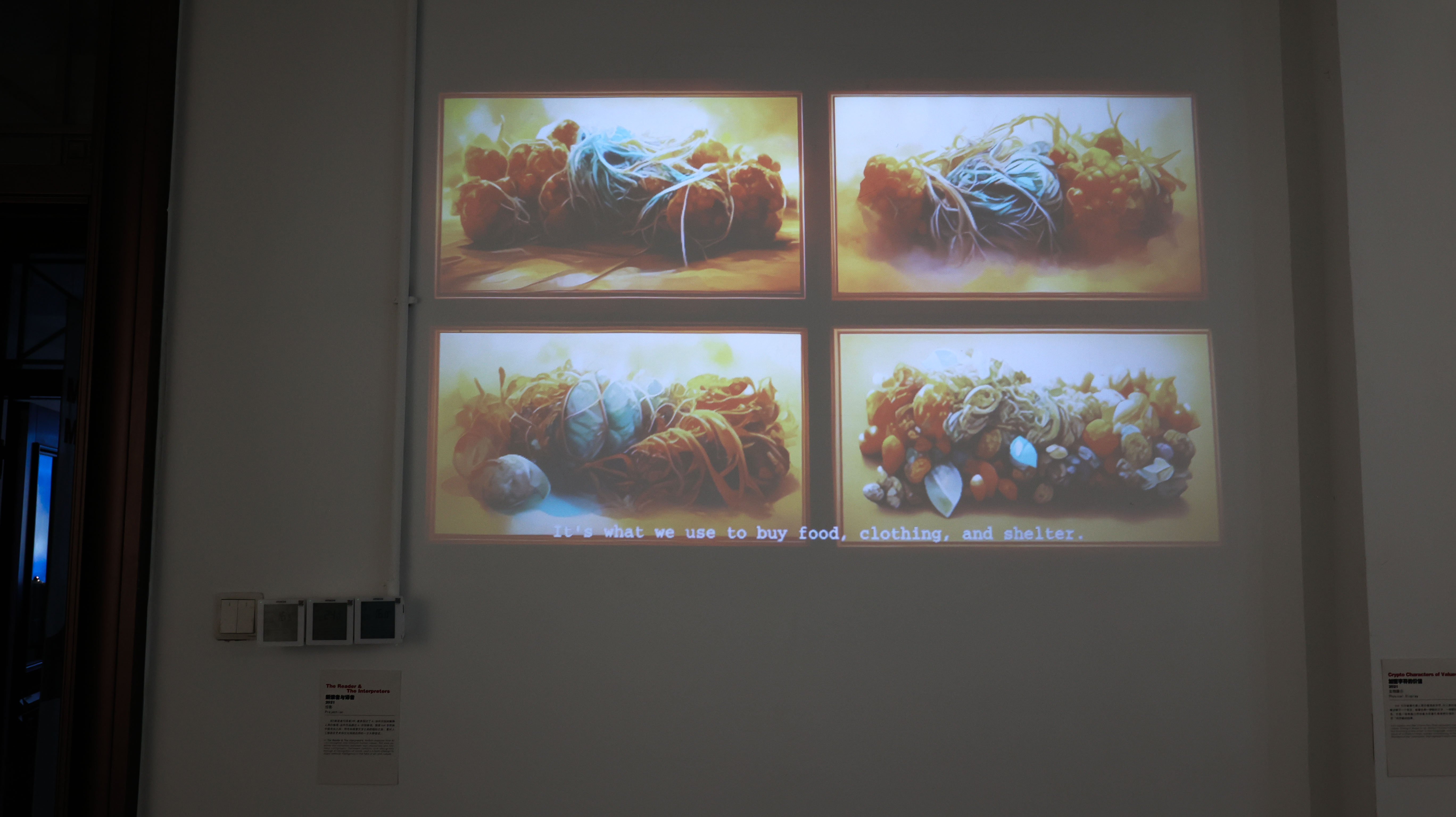
In The Reader & The Interpreters, Moben explores how AI can recognize and interpret human values. “The Reader asks the question: can we read the human brain? The interpreters recognize words and examine them, after which they produce a series of keywords that act as an extension of the original values. This work explores the similarities between VoV characters and Chinese calligraphy, examining the relationship between symbols and ideograms through AI recognition of words, and represents a bold attempt to apply artificial intelligence in the fields of art and culture.
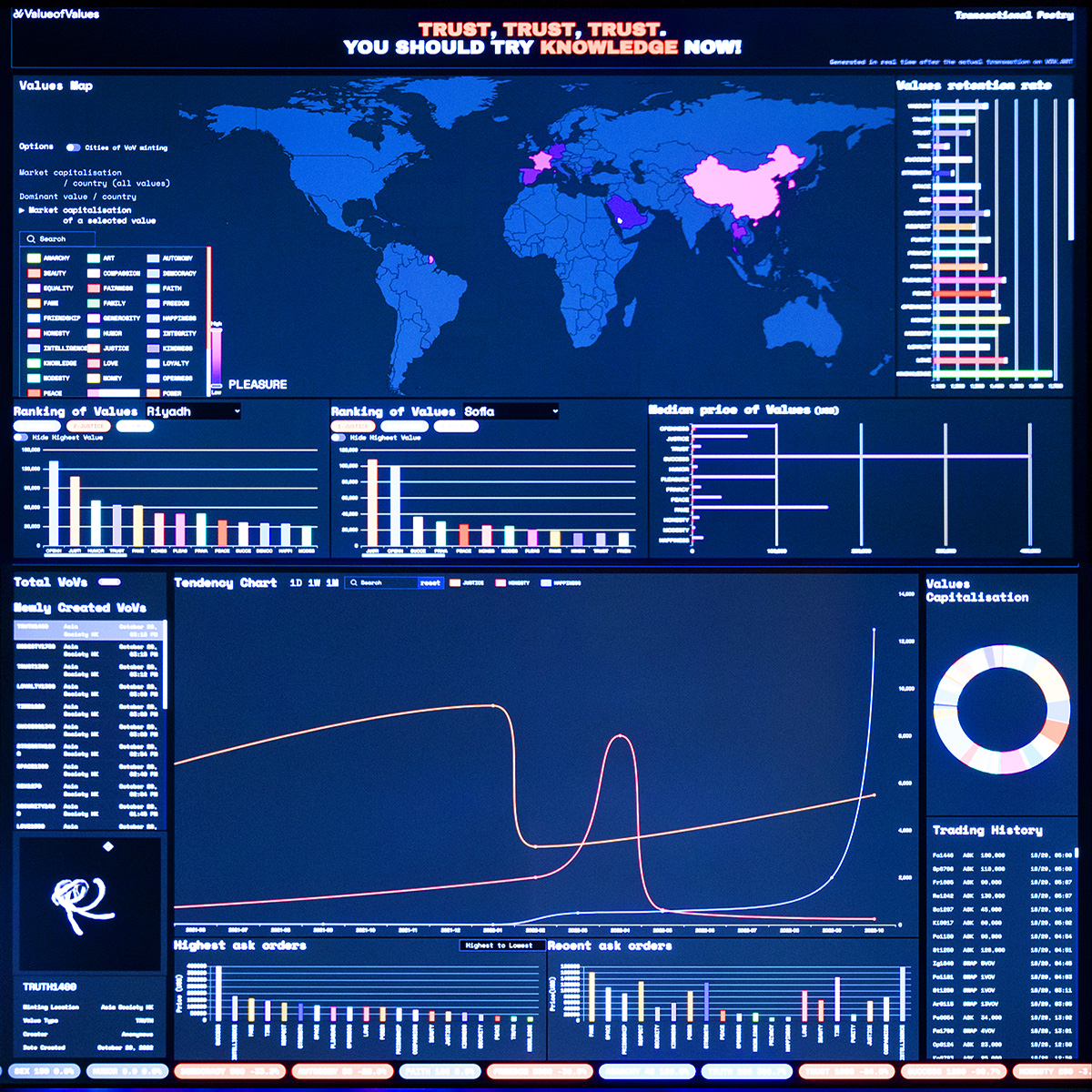
15 VoV Trading Platform 2019-2022, VoV Online trading platform
VoV Trading Platform, VoV Online trading platform(2019-2022)
Value of Values is an ongoing art project by Moben that aims to explore the dynamics of change and diversity of values on a global scale through the combination of art and data. Using digital technology, big data analytics, and artificial intelligence, this series of works transforms abstract human values into visual and interactive artistic expressions, inviting viewers to rethink the beliefs and principles we hold dear.
VoV Trading Platform was first presented during the exhibition Morphogenesis of Values at the Asia Society Hong Kong Center Gallery, produced by the Osage Art Foundation. If I can monitor countries’ values, can I better understand their strategies and actions? Trading Platform tells the viewer in real time how trading can better describe societies than their flags. It is now the dashboard of the Value of Values art website.
16 The Periodic Table of Values 2022, interactive web page
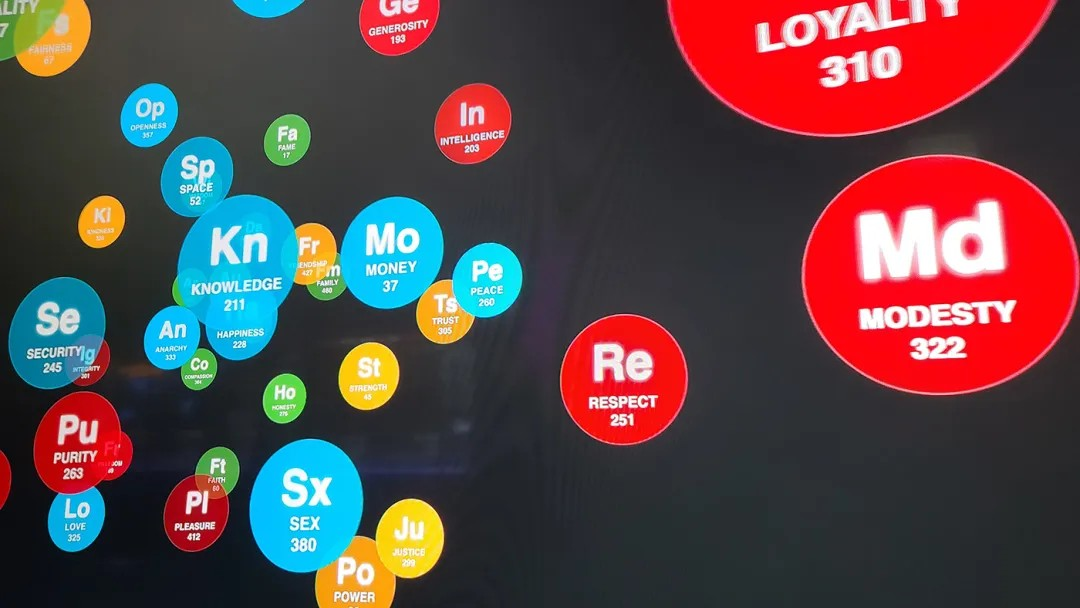
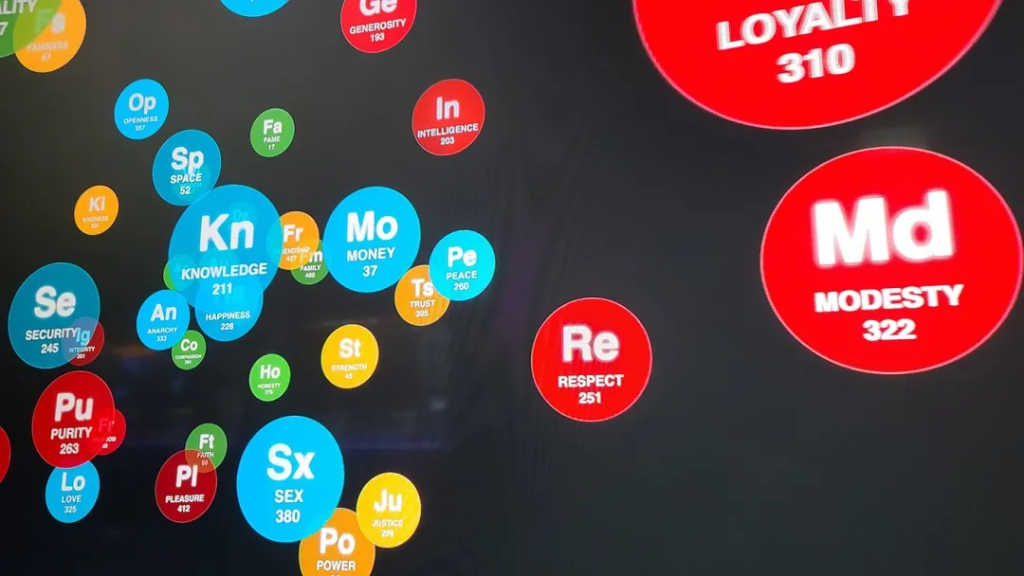 The Periodic Table of Values, interactive web page(2022)
The Periodic Table Values was presented for the first time during the Morphogenesis of Values exhibition, Chantal Miller Gallery, Asia Society Hong Kong Center, produced by Osage Art Foundation. The Periodic Table of Values is part of the Value of Values project.
VoV collectors carefully select the VoV NFTs they want to collect, which ultimately represent their personal values. Just as we can categorize the substances that make up the universe, it categorizes human values, not based on their atomic weight, but on their affinity within the collection. This work offers a new perspective on understanding and categorizing human values, a creative reconstruction of the traditional periodic table of elements.
17 Transactional Poetry 2019, video documentation
Transactional Poetry, video documentation(2019)
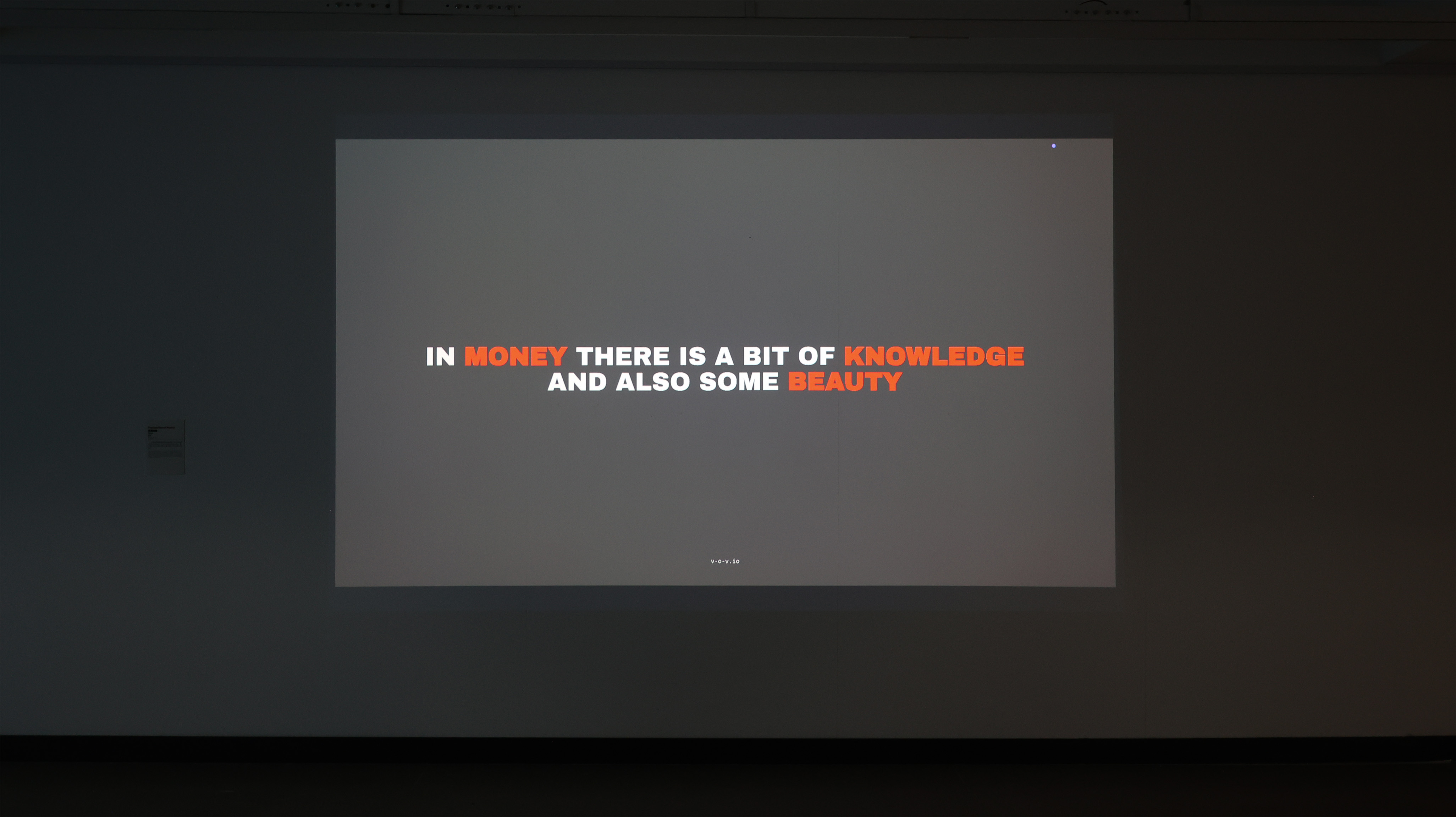
In a world where most human transactions apply to human values, where metaphors exist in the syntactic formulation of those values, we may find very peculiar layers of truth that unexpectedly make sense. Every transaction or barter made on VoV is automatically converted and interpreted into phrases that are displayed on the VoV home page.
Transactional Poetry is automatically generated from actual transactions that occur on the Value of Values program. It represents Moben’s deep reflection on human transactions and values. Transactional Poetry translates people’s transactional behaviors into verses that explore the role and significance of values such as money, power, time, and integrity in modern society.
18 City Ads Values 2022, video documentation
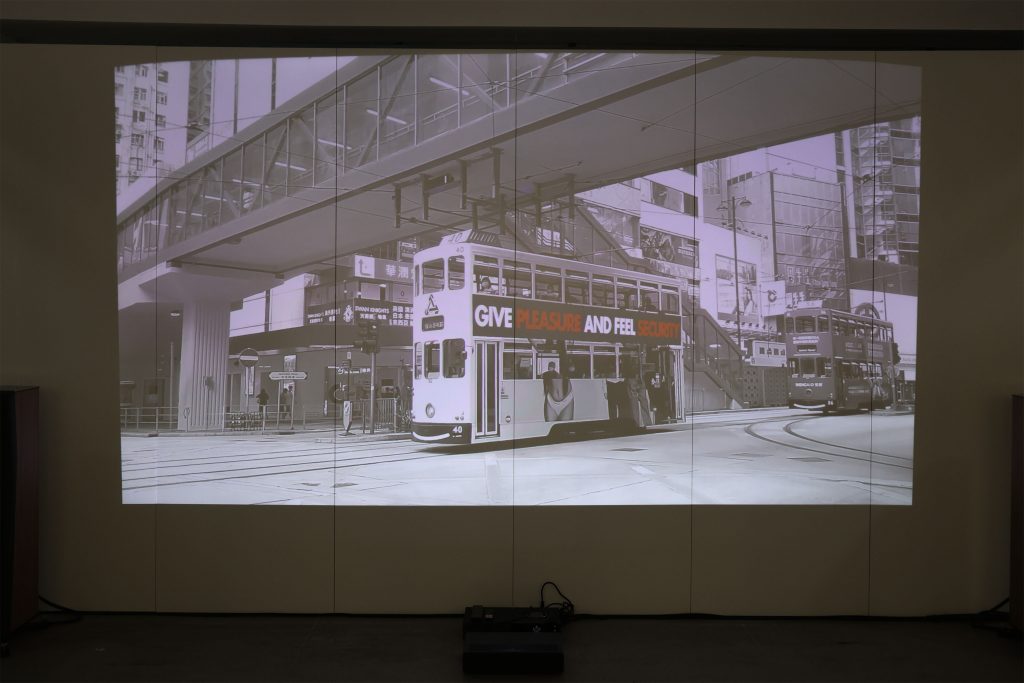
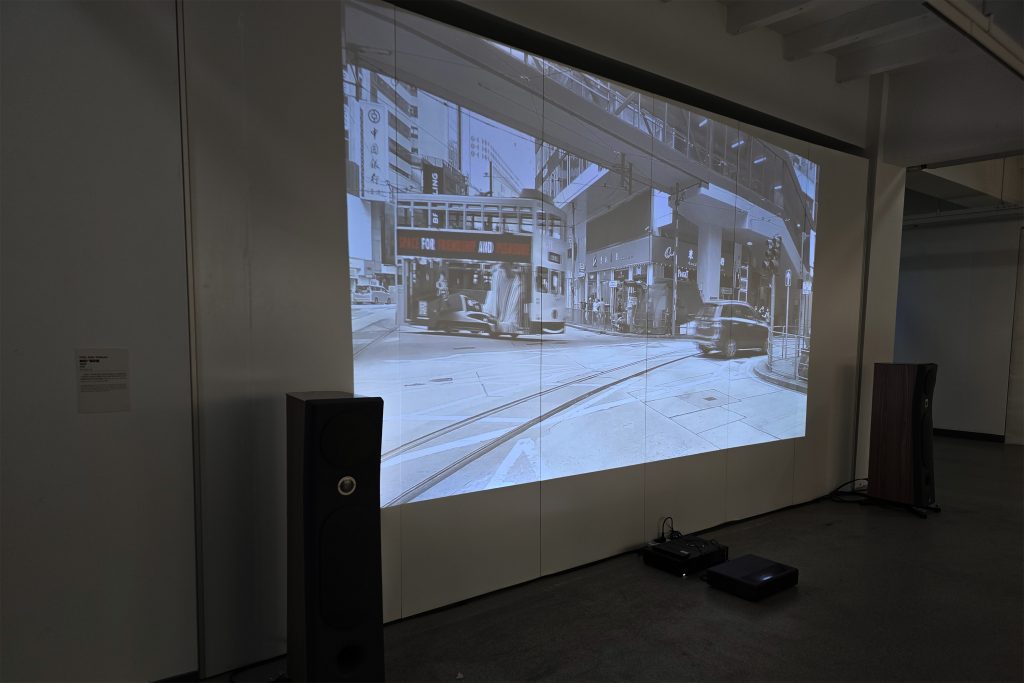 City Ads Values, video documentation(2022)
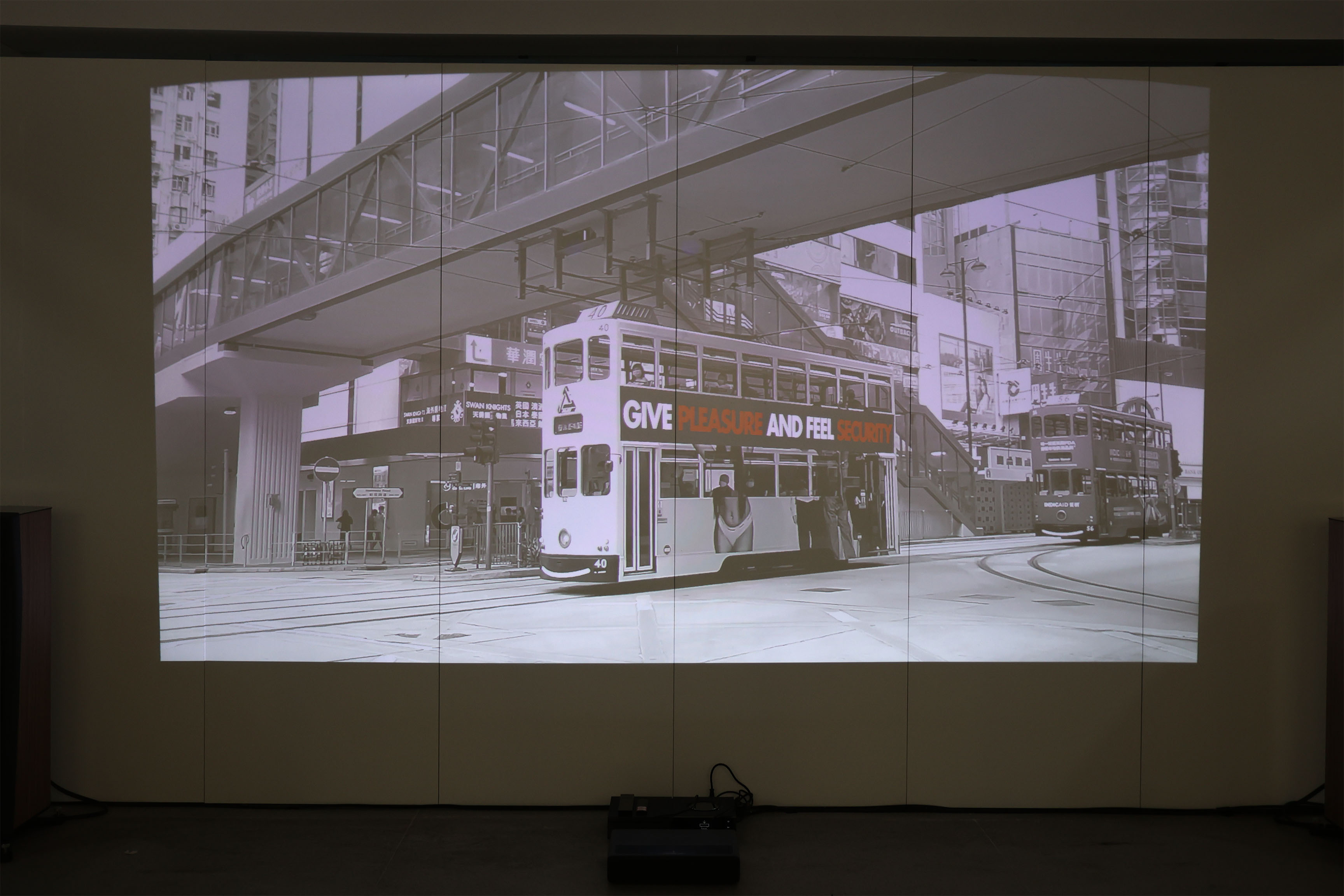
City Ads Values is part of the Value of Values project. It demonstrates how the city shapes and promotes values through public communication and commercial advertising. City Ads Values is also a tribute to artists who add activist statements about the city, such as Jenny Holzer, Barbara Krüger, and Krzysztof Wodiczko.
19 AI Think Therefore AI Am 2022-2024, AI, video documentation
AI Think Therefore AI Am, AI, video documentation(2022-2024)
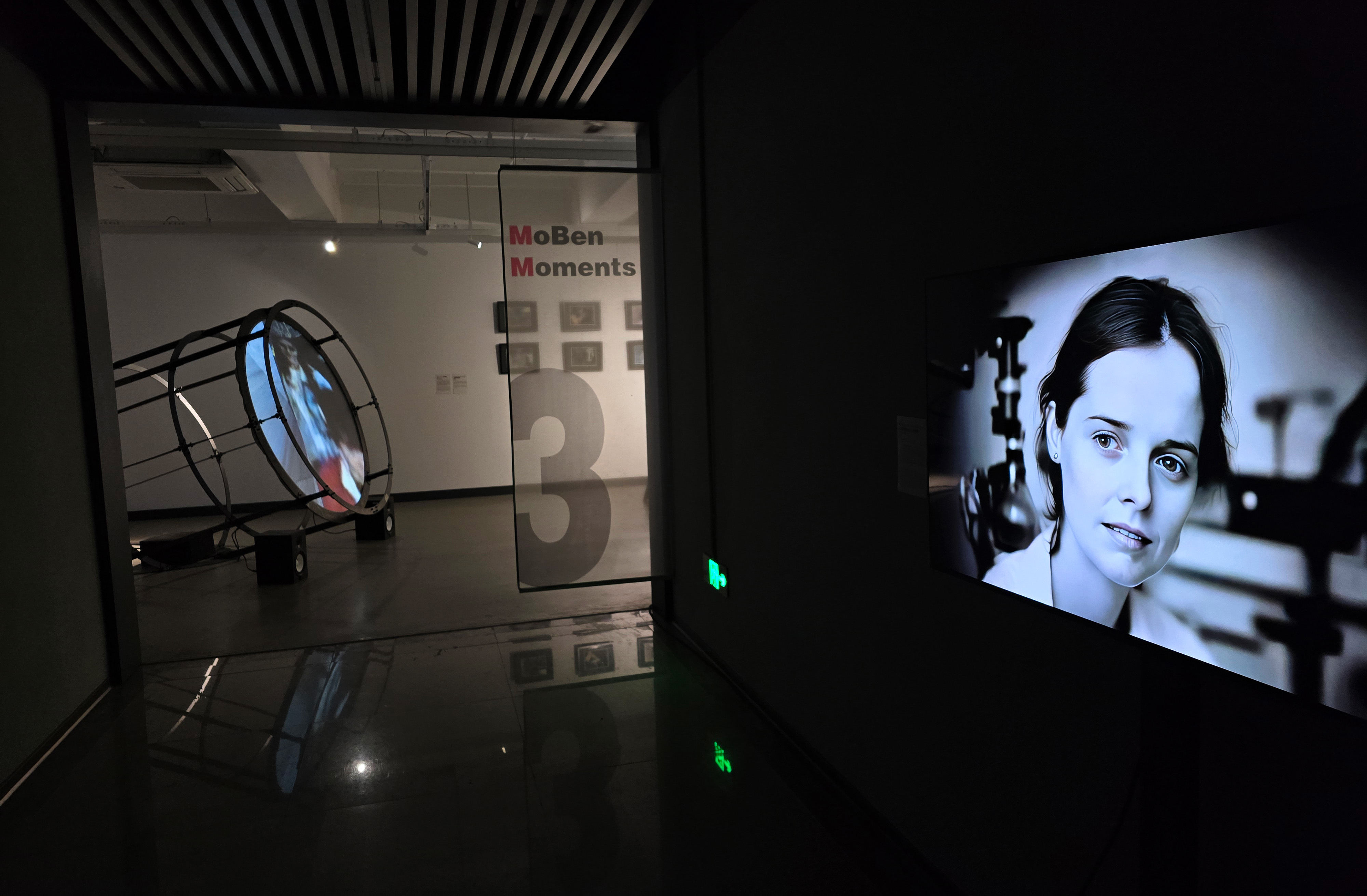
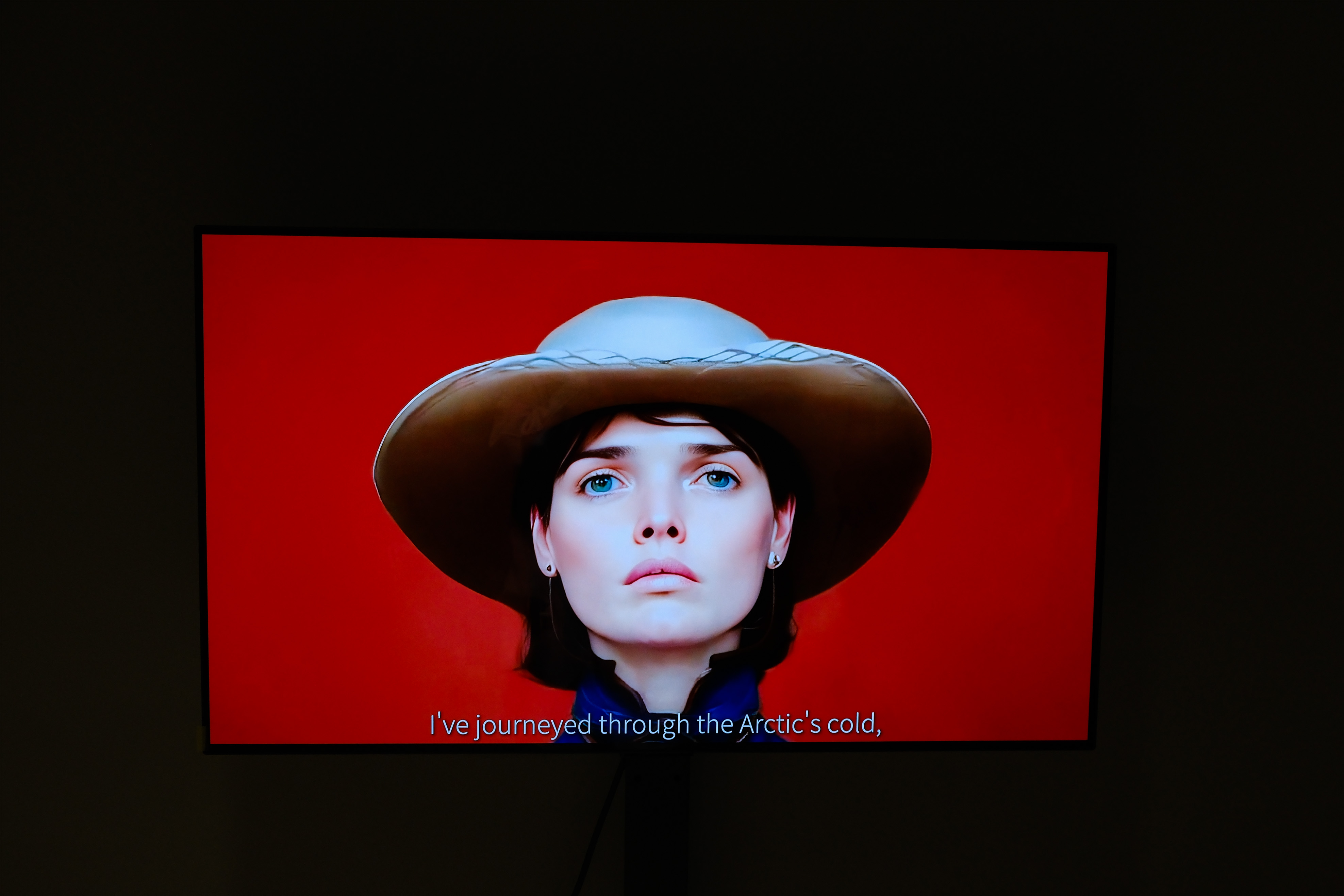
AI Think Therefore AI Am, aka Flo d’Am, is a video containing 35 portraits and an AI-generated narrative. With artificial intelligence, those who question their identity may find new answers. Our interactions with historical, cultural, geographic, and social contexts can present a more accurate picture of our existence, and it may be that the only portrait is not the best way to define us. The work proposes a narrative thread between fiction and poetry that should be understood as a fictionalized reading of individual stories and a challenging interpretation of the inner self. Those who question their identity may find new answers thanks to artificial intelligence.
Credits
Artist: Maurice Benayoun
Artist Assistants: Wang Xiao, Lin Mengjun, Chan Hin Chung, Zeng Zirui, Wu Xinye
Curation Assistants: Zheng Xinyi, Pang Sirui, Jiang Yunfang, Bi Shujun, Zhang Fuyang, Leng Xiaoyan, Wang Jiadong, Tang Zhen, Liu Yuming, Zhang Yunxiang, Shao Kehan, Tang Xinjie, Huang Peining
Organized by: School of Arts, Nanjing University, Research Institute of Art, Science and Technology at the School of Arts, NJU
Collaborated with: School of Architecture and Urban Planning, Nanjing University, Training Center for Humanities and Social Sciences Innovation, Nanjing University
Thanks to the Undergraduate School of Nanjing University



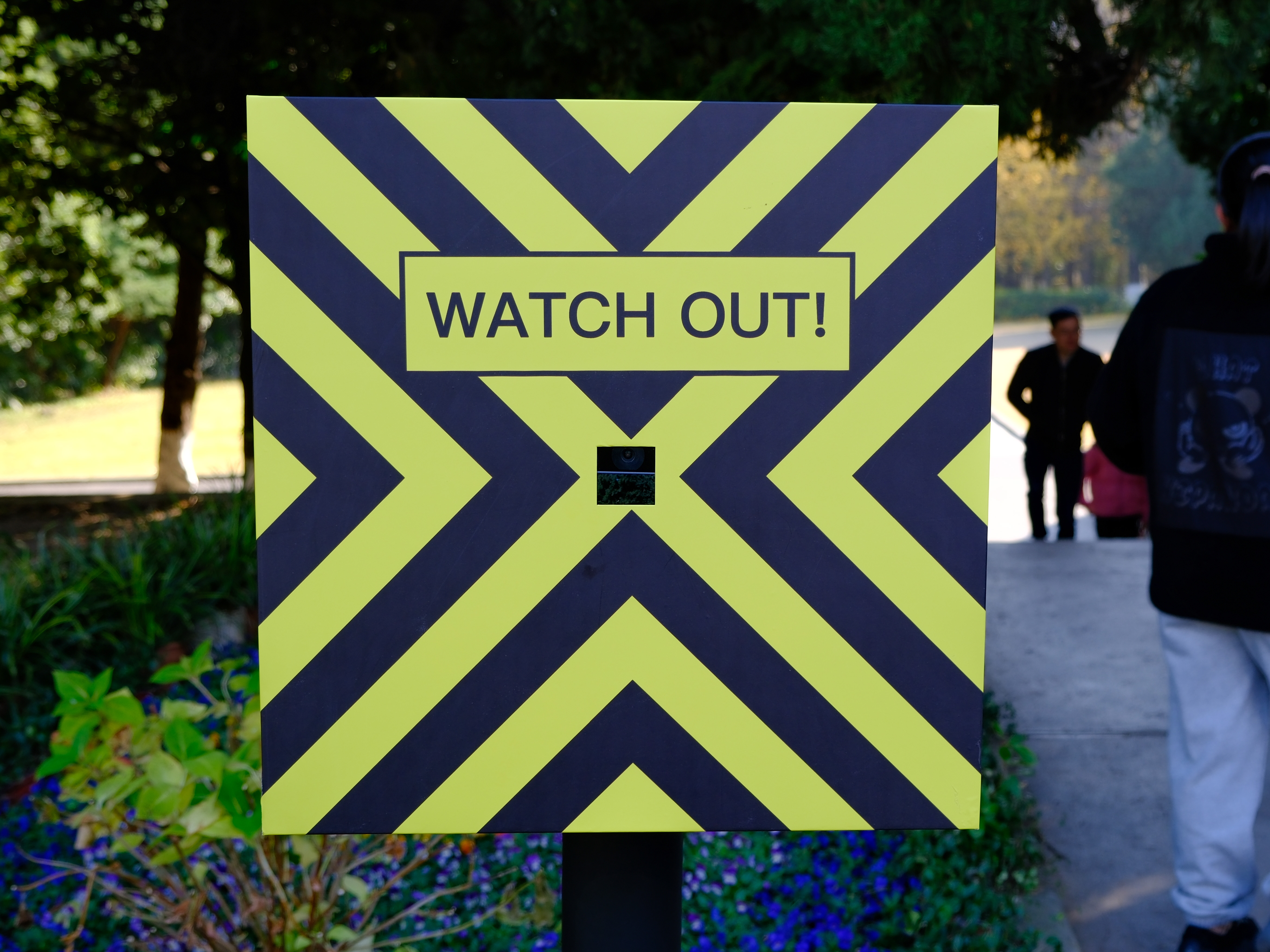
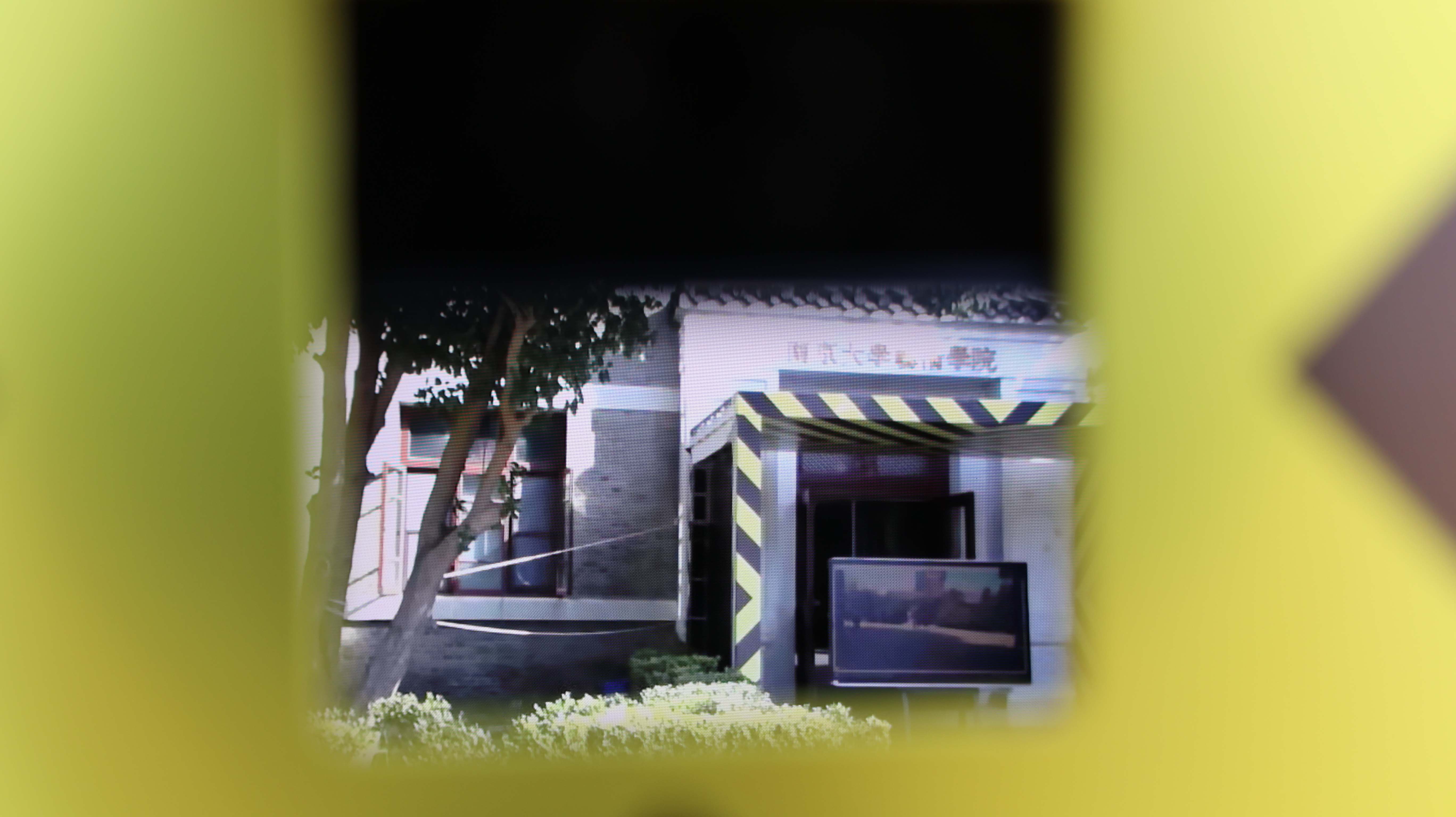
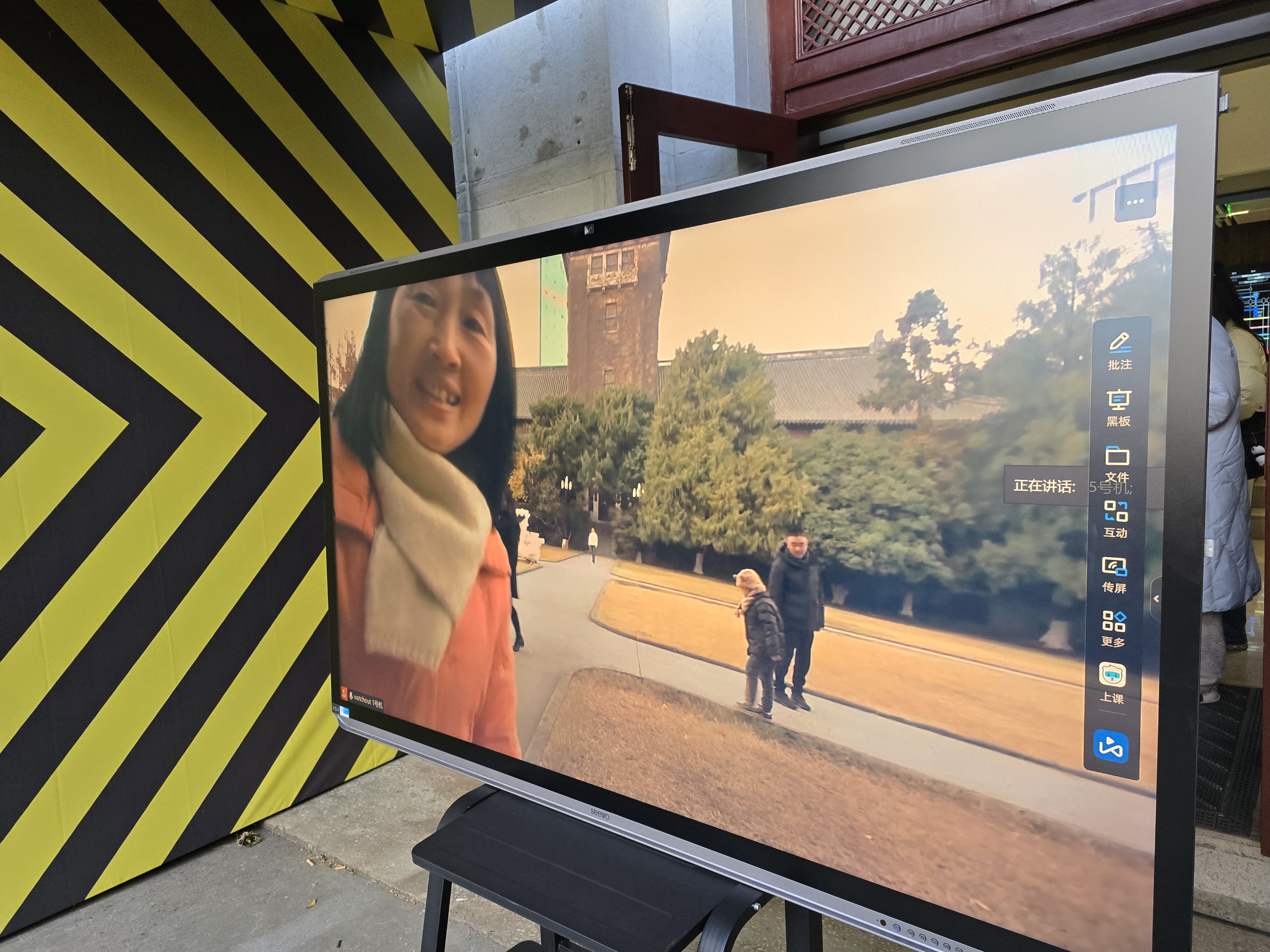 Watch Out! Urban installation, Internet, surveillance cameras (2002-2004)
 Conceptual Map dynamic timeline (2022)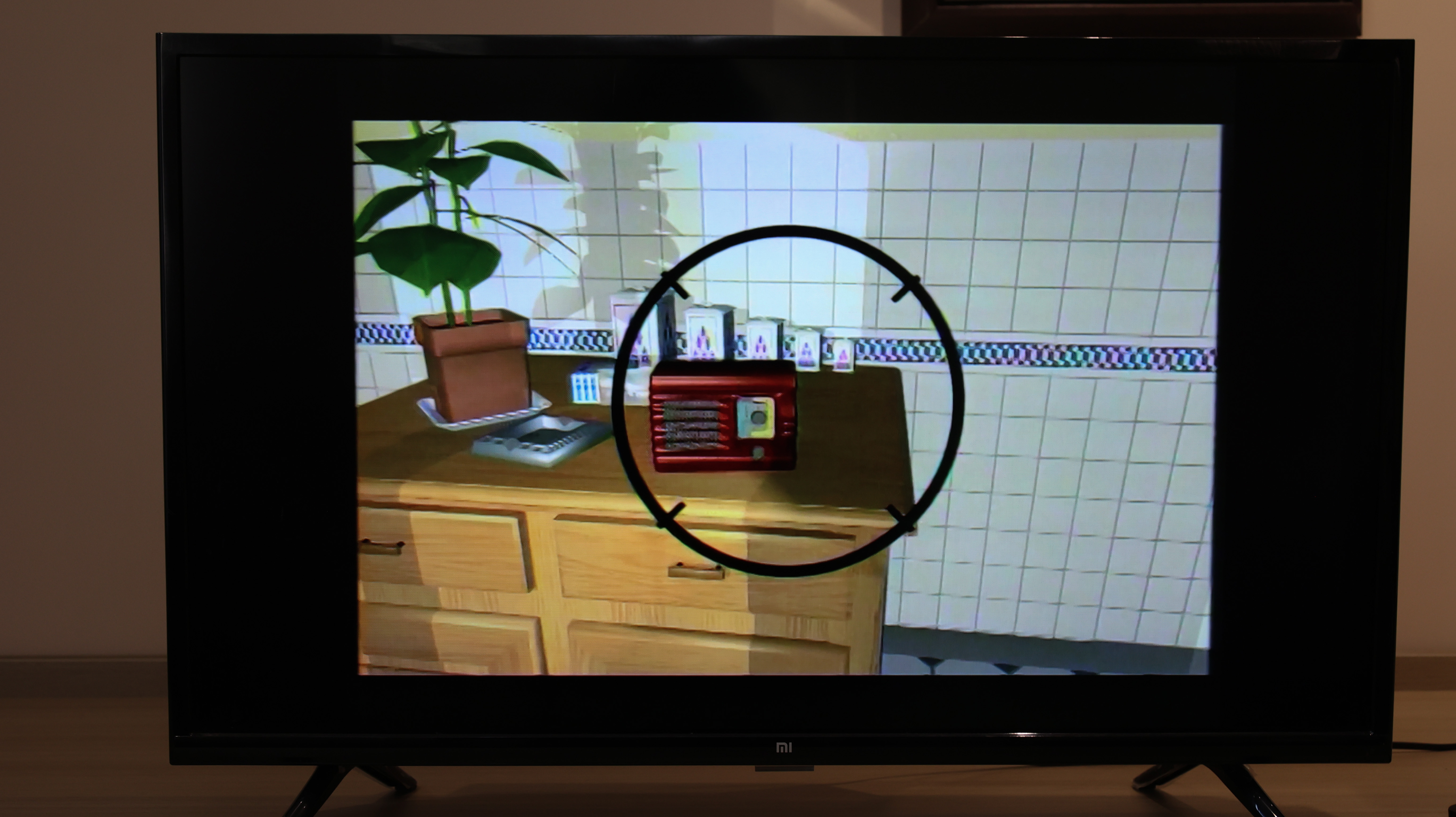
 The Paris-New Delhi Tunnel, VR, video recording of the digging (Machinima)(1997)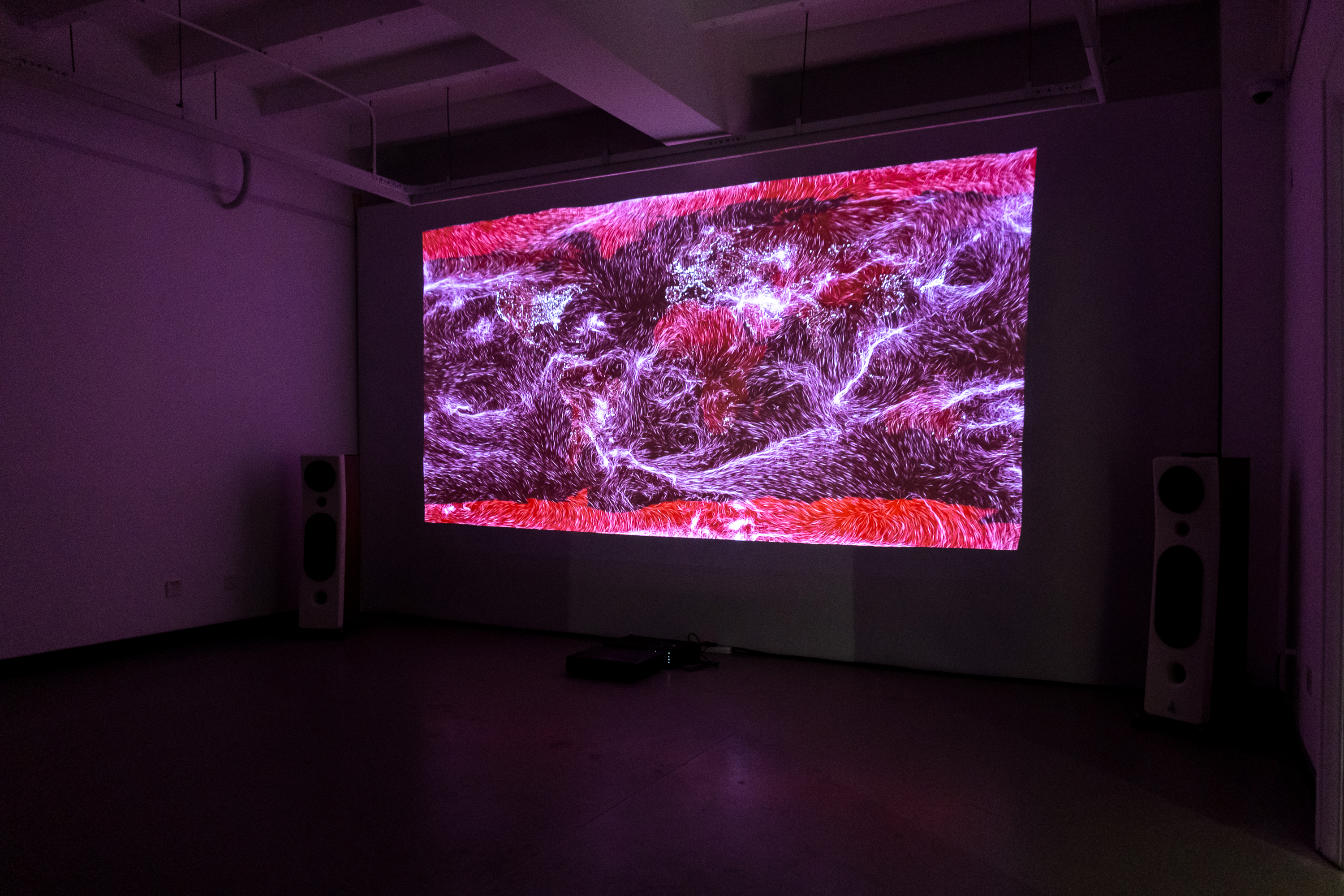
 Emotion Winds, video documentation, recording of real-time data graphics (web and winds)(2014)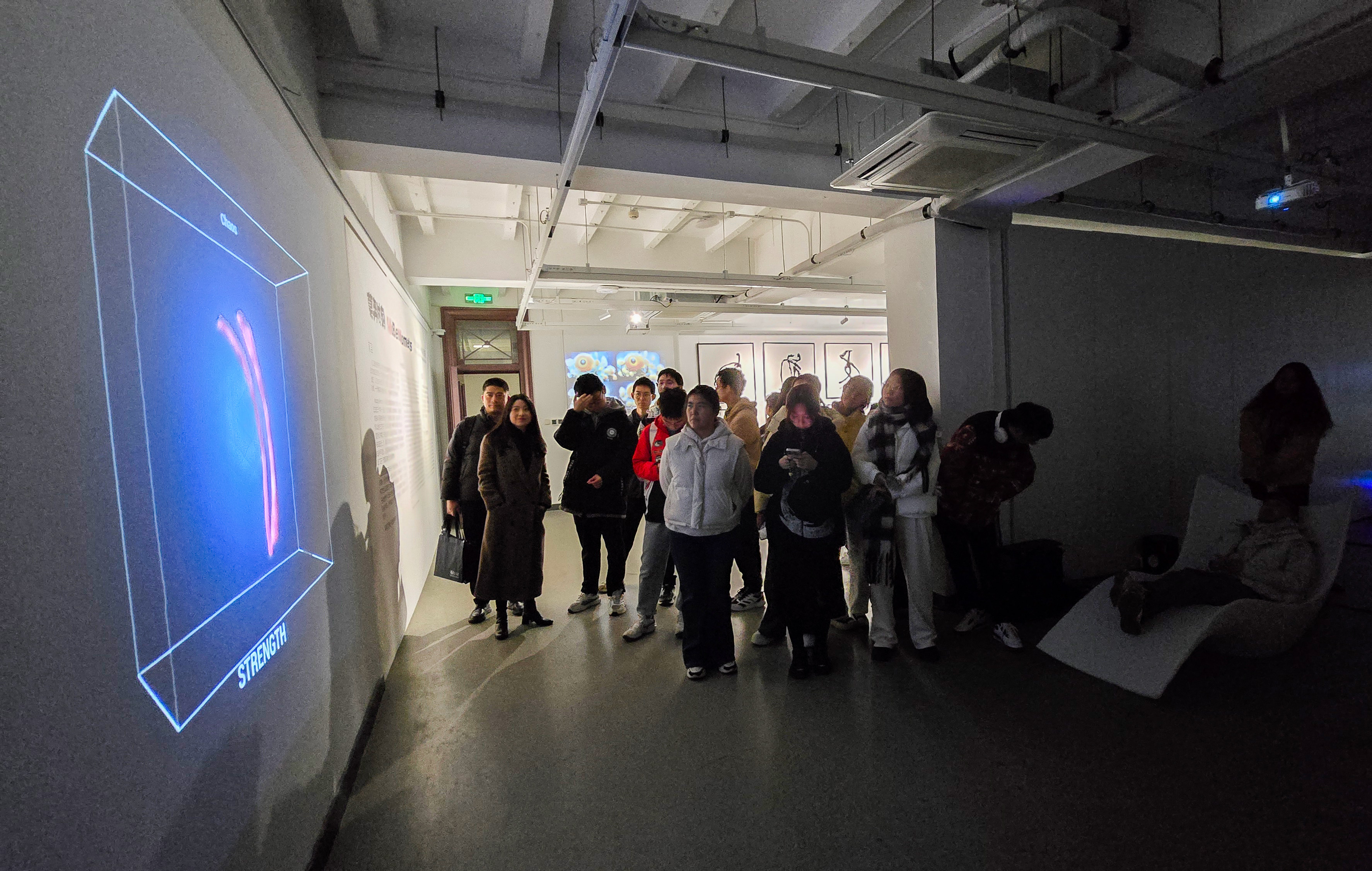
 The Periodic Table of Values, interactive web page(2022)